
Agriculture & Agritech / Market Segment
Organic Agriculture
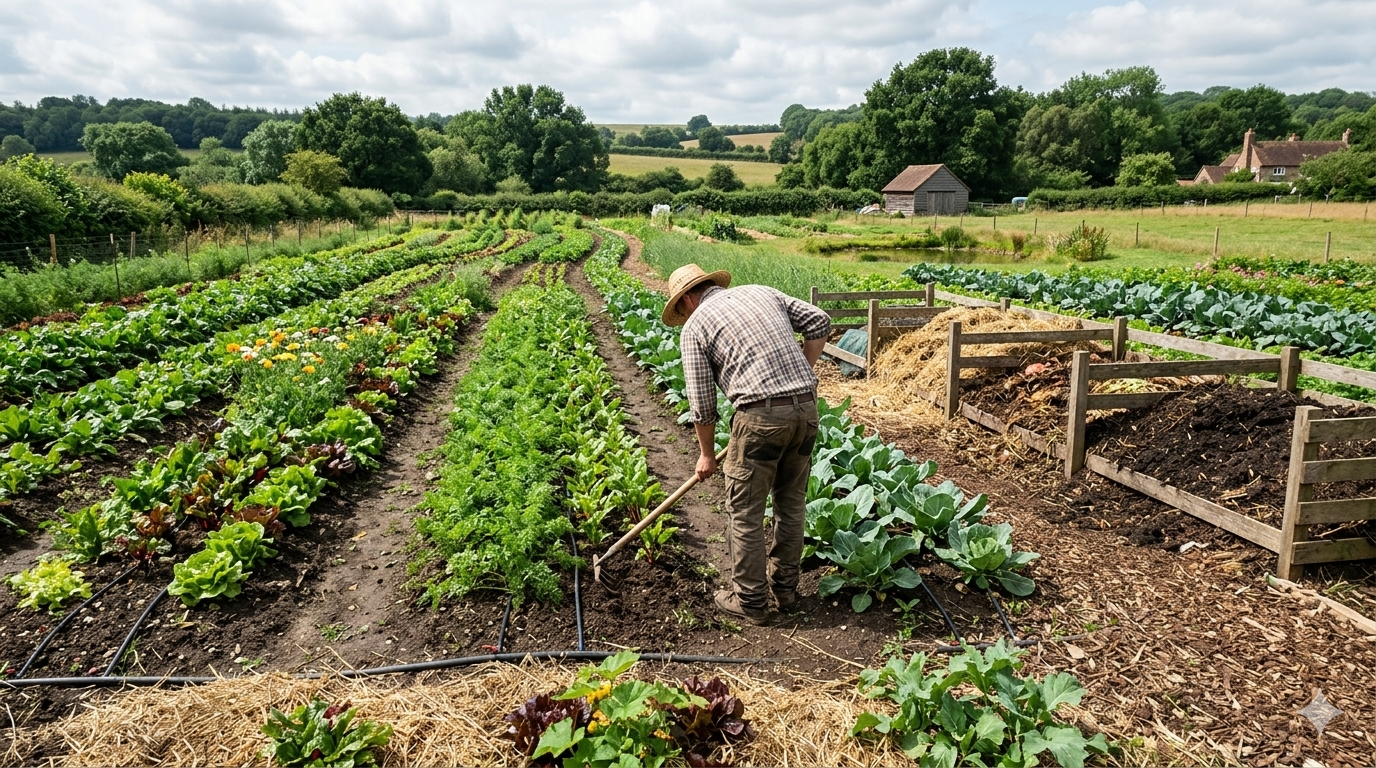
Segment Overview
The Organic Agriculture segment covers farming systems and agricultural practices that emphasize natural cultivation methods, ecological balance, soil health, and the avoidance of synthetic fertilizers, pesticides, genetically modified organisms, and artificial growth regulators. It includes crop cultivation, livestock production, organic input management, and certification systems designed to support sustainable agricultural output.
This segment operates at the intersection of agronomy, environmental stewardship, food production, and regulatory compliance, making it an essential component of sustainable agriculture and environmentally responsible food systems.
Scope of the Organic Agriculture Segment
This segment includes, but is not limited to:
Organic crop production
Cultivation of fruits, vegetables, grains, pulses, and specialty crops using natural farming practices.
Organic livestock farming
Animal husbandry systems based on organic feed, welfare standards, and natural production methods.
Organic soil management
Composting, crop rotation, green manure, and biological soil enhancement practices.
Biological crop protection
Natural pest management, bio-based pesticides, and ecological disease control solutions.
Organic certification and compliance systems
Inspection, traceability, labeling, and verification frameworks for organic standards.
Controlled-environment organic farming
Greenhouses, vertical farms, and protected cultivation systems aligned with organic practices.
Market Characteristics
The Organic Agriculture segment is defined by several structural characteristics:
Strong reliance on natural resource management and ecological cultivation methods
Strict certification and regulatory compliance requirements
Lower synthetic input dependency with emphasis on biological alternatives
Demand influenced by consumer preference for natural and sustainably produced food
Longer transition periods for land conversion and certification approval
Higher operational focus on soil health and biodiversity preservation
Growing integration with sustainable supply chains and traceability systems
Value Chain Overview
The segment spans the full organic agriculture value chain:
Land Preparation & Certification: Soil transition, compliance assessment, and certification processes
Input Sourcing: Procurement of organic seeds, compost, and biological crop inputs
Cultivation & Farm Management: Organic crop and livestock production practices
Harvesting & Processing: Collection, cleaning, and post-harvest handling
Distribution & Retail Supply: Supply chain coordination for certified organic products
Waste Recycling & Soil Regeneration: Composting and resource recovery systems
Each stage requires strict adherence to ecological standards, traceability systems, and sustainable resource management.
Key Market Drivers
Growing consumer demand for natural and sustainably produced food
Increasing awareness of environmental and soil health preservation
Expansion of organic certification and regulatory frameworks
Rising adoption of sustainable farming practices
Demand for chemical-free agricultural production systems
Integration of organic products into mainstream food retail channels
Strategic Importance within Agriculture & Sustainable Farming
Organic Agriculture plays a critical role in promoting environmentally responsible food production while supporting biodiversity, soil fertility, and long-term agricultural sustainability.
Upstream, the segment drives demand for biological inputs, natural soil enhancement systems, and certification services. Downstream, it supports food processing, retail distribution, export markets, and sustainable food supply chains.
As global agricultural systems adapt to sustainability requirements and changing consumer preferences, the Organic Agriculture segment remains essential for resilient food production, ecological stewardship, and sustainable farming transformation.