
Biotechnology & Life Sciences / Market Segment
Microorganisms
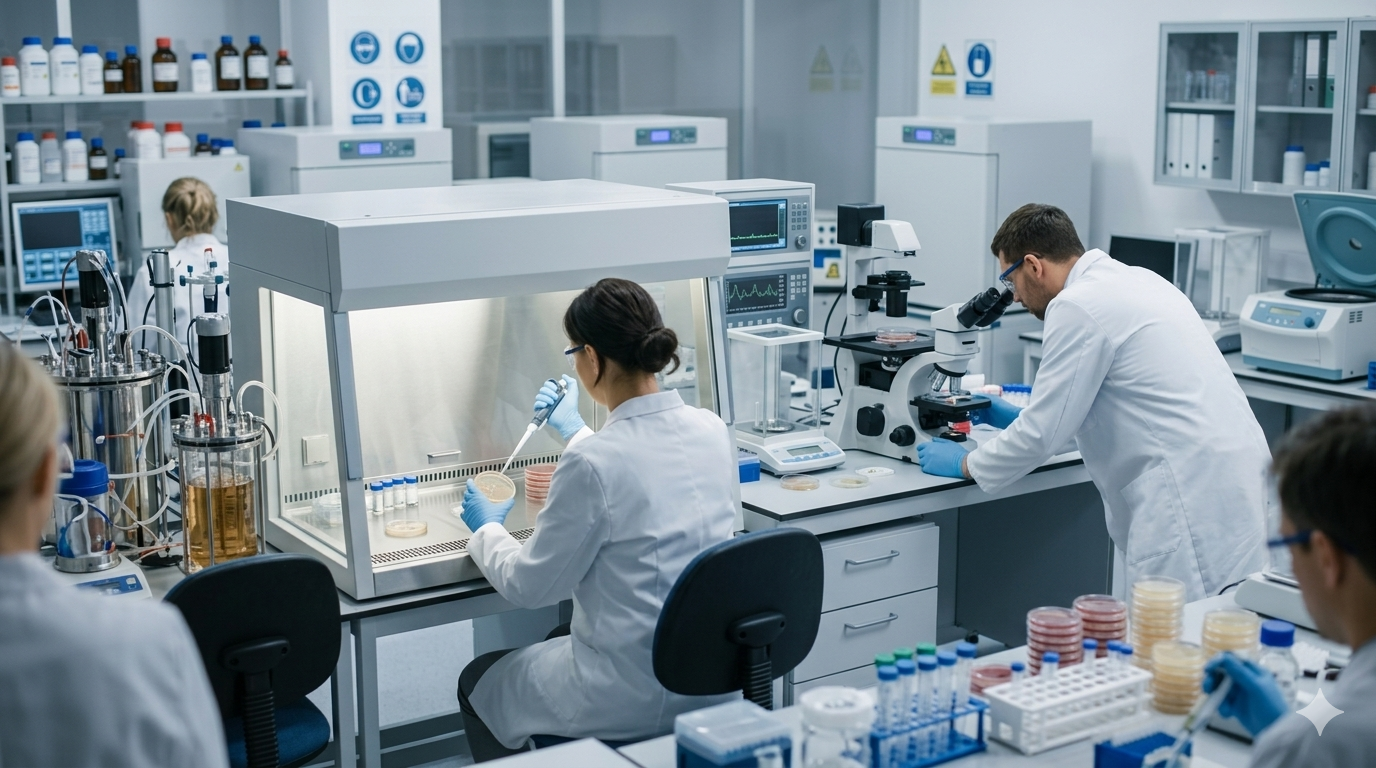
Segment Overview
The Microorganisms segment covers the study, cultivation, application, and industrial utilization of microscopic biological organisms including bacteria, fungi, viruses, algae, protozoa, and yeast. These organisms play essential roles across healthcare, agriculture, food processing, environmental management, biotechnology, and industrial manufacturing processes.
This segment operates at the intersection of microbiology, biotechnology, genetic engineering, and industrial biosciences, making it a foundational biological segment within the life sciences and biotechnology industry.
Scope of the Microorganisms Segment
This segment includes, but is not limited to:
Industrial microorganisms
Microbial strains used in fermentation, enzyme production, biofuels, and biochemical manufacturing.
Medical and pharmaceutical microorganisms
Microorganisms used in vaccine development, antibiotics, probiotics, and therapeutic research.
Agricultural microorganisms
Biofertilizers, biopesticides, soil-enhancing microbes, and crop protection applications.
Food and beverage microorganisms
Yeast, bacteria, and cultures used in dairy, bakery, brewing, and fermented food production.
Environmental and waste-treatment microorganisms
Microbes used in bioremediation, wastewater treatment, and pollution control systems.
Research and laboratory microorganisms
Microbial cultures used in genomics, diagnostics, life sciences research, and biotechnology development.
Market Characteristics
The Microorganisms segment is defined by several structural characteristics:
- Strong dependence on laboratory research, strain development, and controlled cultivation environments
- High relevance across healthcare, agriculture, food processing, and industrial biotechnology sectors
- Strict biosafety, quality control, and regulatory compliance requirements
- Growing integration with genetic engineering and synthetic biology technologies
- Demand influenced by industrial biotechnology adoption and sustainability initiatives
- Requirement for specialized storage, handling, and contamination control systems
- Continuous innovation in microbial applications and bioprocess optimization
Value Chain Overview
The segment spans the full microorganisms value chain:
- Research & Strain Identification: Isolation, characterization, and genetic analysis of microorganisms
- Cultivation & Fermentation: Controlled microbial growth and biomass production
- Processing & Formulation: Extraction, purification, stabilization, and product formulation
- Industrial & Commercial Application: Integration into healthcare, agriculture, food, and industrial systems
- Distribution & Storage: Cold chain management and controlled biological handling
- Waste Management & Biosafety: Disposal, containment, and environmental monitoring processes
Each stage requires strict biological control, quality assurance, and regulatory oversight.
Key Market Drivers
- Growing demand for biotechnology-based industrial processes
- Increasing use of probiotics, biologics, and microbial therapeutics in healthcare
- Rising adoption of sustainable agricultural and environmental solutions
- Expansion of fermentation-based food and beverage production
- Advancements in microbiology, genomics, and synthetic biology
- Increasing focus on waste reduction and bio-based manufacturing systems
Strategic Importance within Biotechnology & Life Sciences
Microorganisms play a critical role in biological research, industrial biotechnology, healthcare innovation, and sustainable production systems. They enable the development of medicines, food products, agricultural inputs, and environmentally efficient industrial processes.
Upstream, the segment supports laboratory research, genetic engineering, and bioprocess development. Downstream, it contributes to pharmaceuticals, food manufacturing, agriculture, waste treatment, and renewable industrial applications.
As biotechnology continues to expand across multiple industries, the Microorganisms segment remains fundamental to biological innovation, industrial sustainability, and modern bioscience infrastructure.