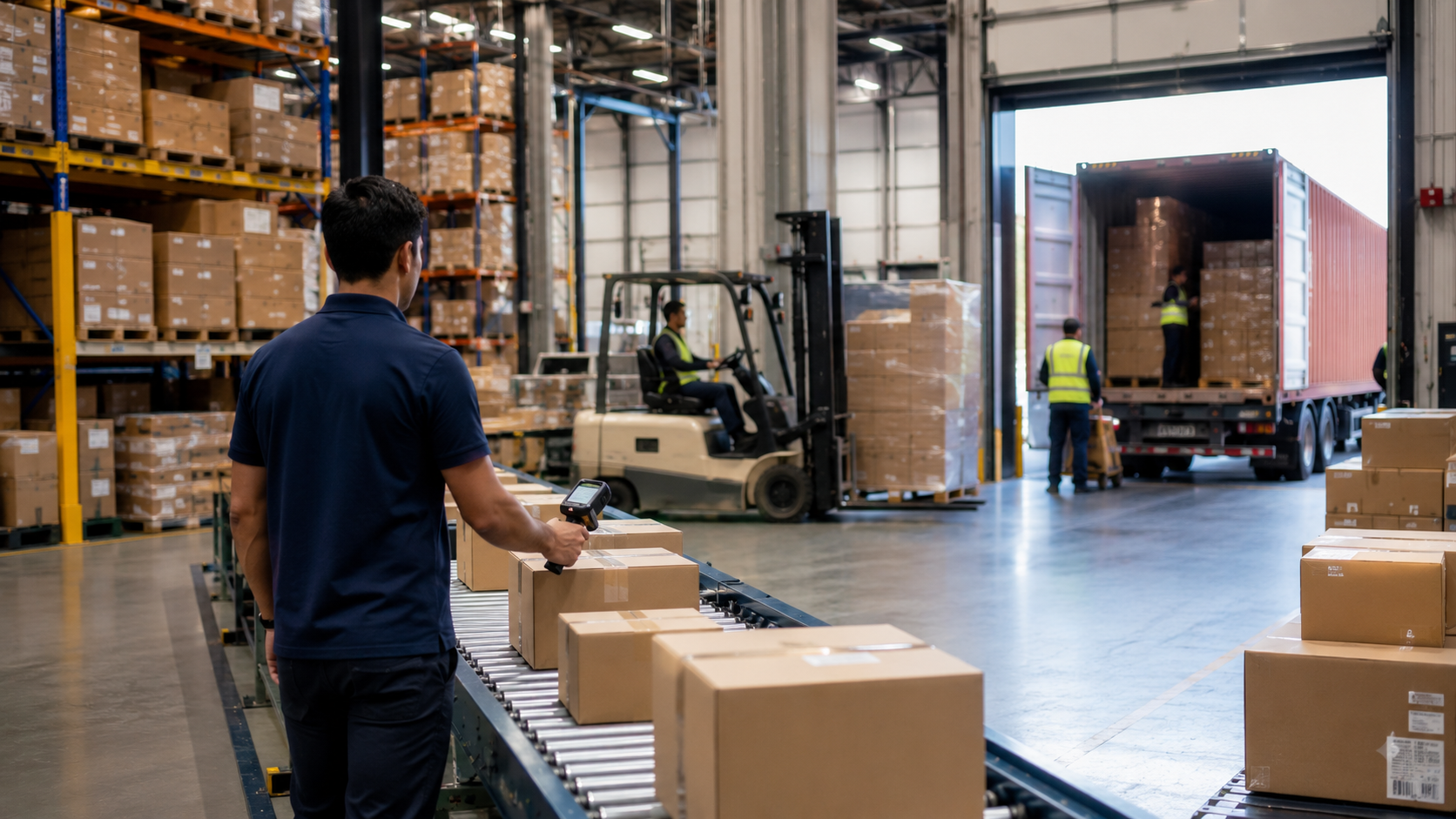
The Logistics segment covers the planning, transportation, storage, handling, and coordination of goods, materials, and products across supply chains from origin to end use. It includes freight transportation, warehousing, inventory management, distribution operations, and supply chain coordination systems that enable the efficient movement of goods across domestic and international markets.
This segment operates at the intersection of transportation infrastructure, supply chain management, warehousing systems, and digital tracking technologies, making it a foundational operational layer within global trade and commerce.
Each stage requires coordination between transportation providers, warehouses, technology systems, and supply chain operators.
Key Market Drivers
Growth in global trade and cross-border commerce
Expansion of e-commerce and direct-to-consumer delivery models
Rising demand for supply chain visibility and real-time tracking
Increasing adoption of warehouse automation and smart logistics technologies
Need for efficient inventory and distribution management
Expansion of cold chain logistics for healthcare and food industries
Strategic Importance within Transportation & Supply Chain
Logistics plays a critical role in supporting industrial production, retail distribution, healthcare delivery, and international trade by ensuring efficient movement and availability of goods across supply chains.
Upstream, the segment supports manufacturing, procurement, and raw material distribution. Downstream, it enables retail operations, e-commerce fulfillment, industrial supply continuity, and end-customer delivery systems.
As supply chains become increasingly globalized, digitalized, and time-sensitive, the Logistics segment remains essential for operational resilience, trade efficiency, and economic connectivity.