
Global Luxury Handbag Market Size And Share Analysis 2025-2033
Global Luxury Handbag Market Overview
The Global Luxury Handbag Market is experiencing a vibrant evolution, fueled by the growing desire for personal expression, exclusivity, and craftsmanship in modern fashion. Luxury handbags have transformed from mere accessories into powerful symbols of status, identity, and empowerment, as consumers increasingly seek reliable quality, timeless design, and emotional value in every purchase. This transformation is being energized by digital innovation, sustainability commitments, and the instant influence of social media and celebrity endorsements, creating a proven pathway for both heritage and emerging brands to thrive.
From classic designer leather handbags to innovative vegan and smart-tech infused collections, the Global Luxury Handbag Market is being reshaped by a generation of digitally connected, conscious consumers. These buyers are instantly discovering and engaging with brands that combine craftsmanship, clarity, and responsible sourcing—turning handbags into worthwhile lifestyle investments rather than seasonal purchases.
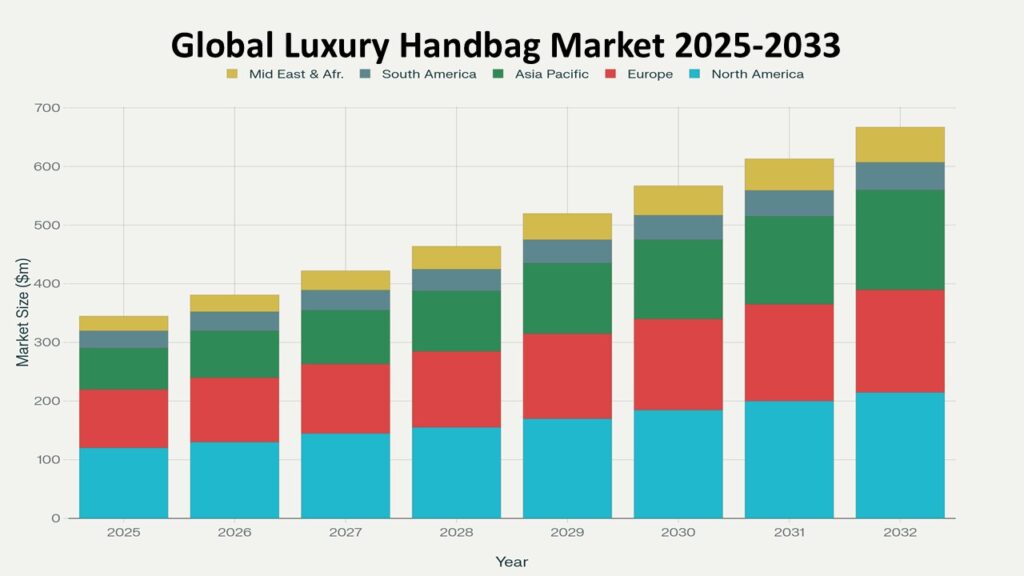
According to Phoenix’s Demand Forecast Engine, the global luxury handbag market is projected to expand from USD 82.9 billion in 2025 to approximately USD 152.4 billion by 2033, reflecting a proven CAGR of 8.1%. In 2024, Europe held the largest market share (40.7%), supported by the dominance of fashion capitals such as Paris, Milan, and London. Meanwhile, Asia Pacific is forecast to be the fastest-growing region (CAGR: 10.3%), driven by rising disposable incomes, premium fashion adoption, and the rapid digitalization of luxury retail ecosystems.
The Global Luxury Handbag Market's vibrant growth trajectory is further enhanced by digitally empowered purchasing behaviors, AI-based trend forecasting, and a shift toward sustainable, ethically sourced materials. As luxury becomes increasingly accessible through omnichannel retail platforms, brands are learning to balance heritage with innovation, creating a reliable, emotionally resonant connection with consumers who value both legacy and modernity.
Key Drivers of Global Luxury Handbag Market Growth
-
Digital Influence and Omnichannel Retail Transformation
The luxury fashion industry is undergoing a digital renaissance, with AI-powered personalization, virtual try-ons, and immersive brand experiences boosting consumer engagement. Phoenix’s Sentiment Analyzer Tool shows that over 70% of global luxury handbag buyers are influenced by social media trends and online storytelling, proving that digital empowerment now drives brand discovery and loyalty. -
Rising Affluence and Global Travel Resurgence
Increasing disposable incomes, urban luxury tourism, and cross-border fashion exposure are energizing global demand for premium handbags. Consumers are instantly seeking reliable craftsmanship and iconic designs that reflect cultural sophistication and confidence, especially across Asia and the Middle East. -
Sustainability and Ethical Luxury
The new era of luxury demands responsible production, eco-conscious materials, and transparent sourcing. Brands are transforming their supply chains to include recycled leathers, plant-based fabrics, and traceable craftsmanship, ensuring that luxury remains authentic, effective, and trustworthy. -
Brand Heritage and Personalization
Legacy luxury houses are boosting loyalty through exclusive customization programs and limited-edition releases. This approach allows consumers to instantly connect with products that reflect individuality, ensuring long-term emotional value and proven retention in a competitive market.
Global Luxury Handbag Market Segmentation
By Product Type
-
Tote Bags
-
Shoulder Bags
-
Clutches
-
Satchels
-
Backpacks
-
Crossbody Bags
By Material
-
Leather
-
Fabric
-
Exotic Skins
-
Synthetic Materials
-
Sustainable/Vegan Alternatives
By End User
-
Women
-
Men
-
Unisex
By Distribution Channel
-
Offline Retail (Flagship Stores, Boutiques, Department Stores)
-
Online Platforms (Brand Websites, E-commerce, Luxury Resale Platforms)
Global Luxury Handbag Market Region-Level Insights
Europe – CAGR (2025–2033): 7.6% (Largest Market)
Europe remains the global center of luxury craftsmanship, led by brands from France, Italy, and the UK. The region’s proven heritage in artisanal design, combined with sustainability-driven innovation, continues to energize premium handbag exports and maintain trusted brand equity worldwide.
North America
North America’s luxury handbag market is empowered by digital retail integration and strong spending from millennial and Gen Z consumers. The U.S. remains a reliable growth hub, with brands leveraging AI-driven analytics and instant influencer engagement to capture evolving fashion preferences.
Asia Pacific – CAGR (2025–2033): 10.3% (Fastest Growing Region)
Asia Pacific is emerging as a transformative luxury frontier, powered by rising affluence, expanding female workforce participation, and rapid luxury e-commerce penetration. According to Phoenix’s Construction Activity Mapping System, markets like China, Japan, India, and South Korea are creating vibrant ecosystems where online and offline luxury experiences converge seamlessly.
Latin America
Luxury demand across Brazil, Mexico, and Chile is being energized by global brand expansion, discounted import tariffs, and emerging aspirational consumers. Regional players are building responsible retail networks and ensuring reliable authenticity verification to boost trust in luxury e-commerce.
Leading Companies in the Global Luxury Handbag Market
Based on Phoenix’s Event Detection Engine and innovation tracker, leading companies shaping the global luxury handbag industry include:
-
Hermès International S.A.
-
Prada S.p.A.
-
Burberry Group Plc
-
Capri Holdings Limited (Versace, Michael Kors, Jimmy Choo)
-
Tapestry, Inc. (Coach, Kate Spade, Stuart Weitzman)
-
Richemont Group (Chloé, Alaïa)
-
Tory Burch LLC
These trusted and reliable luxury houses are transforming traditional craftsmanship with AI-driven design innovation, sustainable material sourcing, and exclusive digital engagement strategies that instantly connect with next-gen luxury consumers.
Strategic Intelligence and AI-Backed Insights
-
Phoenix Demand Forecast Engine analyzed 15 years of luxury retail data to model regional growth and digital engagement patterns.
-
Sentiment Analyzer Tool detected a surge in global consumer trust for eco-conscious and ethical luxury brands since 2023.
-
Digital Consumption Mapping System revealed increasing online searches for “affordable luxury handbags” and “custom designer leather bags” across emerging markets.
-
Automated Porter’s Five Forces Model identified high brand loyalty and moderate supplier power, driven by craftsmanship exclusivity and strong intellectual property protections.
Global Luxury Handbag Market Forecast Snapshot: 2025–2033
| Metric | Value |
|---|---|
| 2025 Market Size | USD 82.9 Billion |
| 2033 Market Size | ~USD 152.4 Billion |
| CAGR (2025–2033) | 8.1% |
| Largest Region (2024) | Europe (40.7%) |
| Fastest Growing Region | Asia Pacific (10.3% CAGR) |
| Top Segment | Leather Handbags |
| Key Trend | Sustainable, digitally powered personalization |
| Future Growth Focus | AI-driven design, smart luxury retail ecosystems |
Why the Global Luxury Handbag Market Remains Critical
-
The Global luxury handbag market is a proven pillar of global fashion value, blending artistry, heritage, and innovation.
-
Instant digital engagement and responsible sourcing are now key to brand trust and sustainability.
-
Emerging markets present worthwhile opportunities through affluent millennial buyers and expanding e-commerce reach.
-
AI-powered personalization and eco-luxury craftsmanship are transforming the industry into a sustainable, future-ready fashion ecosystem.
Final Takeaway of Global Luxury Handbag Market
The Global Luxury Handbag Market is entering a transformative and empowered era, where digital innovation, sustainability, and timeless craftsmanship converge to create responsible, high-value fashion experiences. With proven demand resilience, reliable brand equity, and vibrant consumer engagement, the Global Luxury Handbag Market continues to boost growth across all major regions. As luxury evolves from exclusivity to inclusivity, Phoenix Research’s AI-driven intelligence tools enable stakeholders to discover hidden opportunities, learn from evolving fashion behaviors, and lead confidently in this dynamic global luxury revolution.
Table of Contents
-
Market Overview
-
Key Drivers of Market Growth
2.1 Digital Influence and Omnichannel Retail Transformation
2.2 Rising Affluence and Global Travel Resurgence
2.3 Sustainability and Ethical Luxury
2.4 Brand Heritage and Personalization -
Market Segmentation
3.1 By Product Type
• Tote Bags
• Shoulder Bags
• Clutches
• Satchels
• Backpacks
• Crossbody Bags3.2 By Material
• Leather
• Fabric
• Exotic Skins
• Synthetic Materials
• Sustainable/Vegan Alternatives3.3 By End User
• Women
• Men
• Unisex3.4 By Distribution Channel
• Offline Retail (Flagship Stores, Boutiques, Department Stores)
• Online Platforms (Brand Websites, E-commerce, Luxury Resale Platforms) -
Region-Level Insights
4.1 Europe – Market Leader (CAGR 7.6%)
4.2 North America – Digital Retail Integration
4.3 Asia Pacific – Fastest Growing Region (CAGR 10.3%)
4.4 Latin America – Emerging Luxury Demand -
Leading Companies in the Market
5.1 LVMH Moët Hennessy Louis Vuitton
5.2 Kering SA (Gucci, Saint Laurent, Balenciaga)
5.3 Chanel Ltd.
5.4 Hermès International S.A.
5.5 Prada S.p.A.
5.6 Burberry Group Plc
5.7 Capri Holdings Limited (Versace, Michael Kors, Jimmy Choo)
5.8 Tapestry, Inc. (Coach, Kate Spade, Stuart Weitzman)
5.9 Richemont Group (Chloé, Alaïa)
5.10 Tory Burch LLC -
Strategic Intelligence and AI-Backed Insights
6.1 Phoenix Demand Forecast Engine
6.2 Sentiment Analyzer Tool
6.3 Digital Consumption Mapping System
6.4 Automated Porter’s Five Forces Model -
Forecast Snapshot (2025–2033)
7.1 Market Size (2025 & 2033)
7.2 CAGR (2025–2033)
7.3 Largest Region
7.4 Fastest Growing Region
7.5 Top Segment
7.6 Key Trend
7.7 Future Growth Focus -
Why the Global Luxury Handbag Market Remains Critical
8.1 Pillar of Global Fashion Value
8.2 Digital Engagement and Responsible Sourcing
8.3 Emerging Market Opportunities
8.4 AI-Powered Personalization and Eco-Luxury Craftsmanship -
Final Takeaway
-
Analyst Information
• Phoenix Research