
Indonesia Japanese Restaurant Market Size and Share Analysis 2025-2033
Indonesia Japanese Restaurant Market Overview
The Indonesia Japanese Restaurant Market is vibrantly transforming, fueled by the rising popularity of authentic Japanese cuisine, expanding urban dining culture, and increasing consumer interest in premium, health-oriented, and experience-driven food services. As Indonesia’s middle-class population grows and tourism accelerates, Japanese restaurants are emerging as a trusted and refined culinary segment that blends cultural authenticity with innovative dining experiences.
This Indonesia Japanese Restaurant Market is being energized by a surge in consumer demand for sushi, ramen, tempura, teppanyaki, and omakase-style dining, along with the integration of digital ordering, AI-based kitchen automation, and delivery platforms that ensure quick service, superior quality, and consistency. Global and local players are investing in immersive dining concepts, fusion menus, and sustainably sourced ingredients, transforming the Indonesian foodservice landscape into a vibrant, modern, and responsible culinary ecosystem.
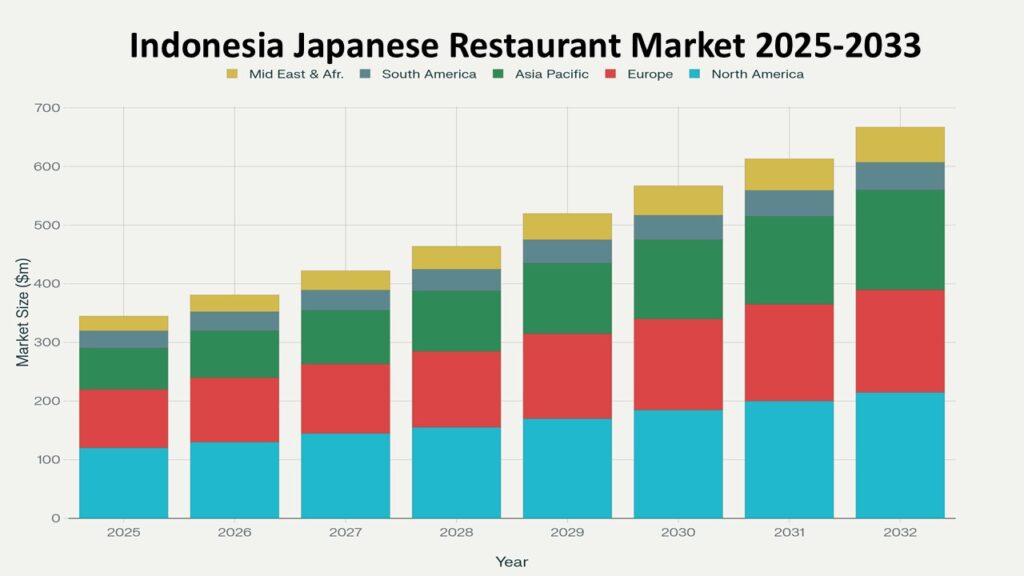
According to Phoenix’s Demand Forecast Engine, the Indonesia Japanese Restaurant Market size is estimated at USD 1.32 billion in 2025 and is projected to reach approximately USD 2.94 billion by 2033, growing at a CAGR of 10.4% (2025–2033). Jakarta dominates the Indonesia Japanese Restaurant Market size as the culinary capital, followed by Bali and Surabaya, driven by tourism, expatriate populations, and expanding urban dining clusters.
The Indonesia Japanese Restaurant Market continues to empower restaurateurs, investors, and culinary innovators to discover new flavors, overcome operational challenges, and create engaging, tech-enabled dining experiences that ensure authenticity, reliability, and customer satisfaction — shaping a sustainable and profitable future for Indonesia’s premium dining sector.
Key Drivers of the Indonesia Japanese Restaurant Market Growth
1. Rising Popularity of Japanese Cuisine and Healthy Eating Trends
Consumers are increasingly drawn to Japanese food’s fresh, balanced, and umami-rich profile, which is perceived as both nutritious and sophisticated, fueling demand across urban centers.
2. Expanding Middle-Class and Tourism-Driven Dining Culture
A growing middle-income population and record-high tourist inflows are boosting demand for premium and experiential dining, particularly in cities like Jakarta, Bali, and Bandung.
3. Technological Innovation and Smart Restaurant Operations
AI-powered kitchen automation, digital reservation systems, and food delivery apps are helping restaurants ensure quick service, reduced waste, and consistent quality, creating a trustworthy customer experience.
4. Global Brand Expansion and Local Fusion Concepts
Leading international brands are expanding in Indonesia, while local entrepreneurs are introducing Japanese-Indonesian fusion menus, appealing to evolving consumer palates.
5. Sustainability, Authenticity, and Premium Ingredients
Chefs are focusing on sustainably sourced seafood, organic produce, and authentic Japanese ingredients to maintain quality, credibility, and environmental responsibility.
Indonesia Japanese Restaurant Market Segmentation
By Restaurant Type
-
Full-Service Restaurants (Fine Dining, Casual Dining)
-
Quick-Service & Fast-Casual Restaurants
-
Café & Dessert Bars (Matcha, Mochi, Wagashi)
-
Takeaway and Cloud Kitchens
By Cuisine Type
-
Sushi & Sashimi
-
Ramen & Udon
-
Teppanyaki & Yakiniku
-
Tempura & Katsu
-
Bento & Donburi
-
Izakaya & Fusion Menus
By Service Channel
-
Dine-In
-
Takeaway
-
Online Delivery
-
Catering & Event Services
By Price Range
-
Premium
-
Mid-Range
-
Budget
By Region
-
Jakarta
-
Bali
-
Surabaya
-
Bandung
-
Yogyakarta
-
Others (Medan, Makassar, Semarang)
Regional Insights of the Indonesia Japanese Restaurant Market
Jakarta – Largest Market Hub
Jakarta leads the largest share of the market with a high concentration of Japanese fine dining restaurants, strong presence of global chains, and a growing demand for authentic and experiential dining among corporate professionals and expatriates.
Bali – Fastest Growing Region
Bali’s tourism-driven economy continues to energize the Japanese dining sector, with premium omakase and fusion restaurants attracting global tourists seeking high-quality, sustainable cuisine.
Surabaya and Bandung – Emerging Growth Clusters
Both cities are witnessing an expansion of mid-range and quick-service Japanese eateries, reflecting growing urbanization and youth-driven dining preferences.
Yogyakarta – Rising in Affordable and Fusion Concepts
A young, university-driven population is fueling the growth of budget-friendly Japanese fusion outlets and delivery kitchens across the region.
Leading Companies in the Indonesia Japanese Restaurant Market
-
Sumire Yakitori House
-
Ebisu Japanese Dining
-
Sakana Japanese Restaurant
-
Kintan Buffet Indonesia
-
Ippudo Ramen Indonesia
-
Henshin (The Westin Jakarta)
-
RamenYA! Indonesia
-
Kenjiro Japanese Grill
These prominent brands are continuously empowering culinary innovation, expanding into new cities, and introducing AI-driven management systems, eco-friendly packaging, and digital loyalty programs to ensure clarity, trust, and responsible growth in Indonesia’s dynamic foodservice landscape.Sushi Tei Indonesia leads the Market with Largest Market share.
Strategic Intelligence and AI-Backed Insights
-
Phoenix Demand Forecast Engine projects consistent growth fueled by rising consumer interest and tourism expansion.
-
Food Innovation Tracker identifies strong investment in AI-based kitchen management, ingredient traceability, and personalized menu recommendations.
-
Culinary Intelligence Index highlights new opportunities in plant-based sushi, premium omakase, and Japanese dessert concepts.
-
Porter’s Five Forces Analysis indicates moderate competition but high differentiation potential for authentic, tech-enabled Japanese dining experiences.
Indonesia Japanese Restaurant Market Forecast Snapshot: 2025–2033
| Metric | Value |
|---|---|
| 2025 Market Size | USD 1.32 Billion |
| 2033 Market Size | ~USD 2.94 Billion |
| CAGR (2025–2033) | 10.4% |
| Largest Market | Jakarta |
| Fastest Growing Region | Bali |
| Top Concept Trend | Authentic Sushi & Omakase Dining |
| Key Driver | Tourism, Health Consciousness & Premium Dining |
| Future Outlook | AI-Driven Service, Fusion Cuisine & Sustainable Sourcing |
Why the Indonesia Japanese Restaurant Market Remains Critical
-
Empowers culinary tourism and supports Indonesia’s premium hospitality growth.
-
Transforms dining experiences through AI and tech-enhanced customer engagement.
-
Creates new opportunities for chefs and entrepreneurs in fusion and fine dining.
-
Ensures effective, responsible sourcing aligned with global sustainability goals.
-
Promotes clarity, authenticity, and reliability in every aspect of dining excellence.
Final Takeaway of the Indonesia Japanese Restaurant Market
The Indonesia Japanese Restaurant Market is evolving into a vibrant, profitable, and experience-driven culinary segment, blending authentic Japanese traditions with modern Indonesian innovation. As consumers seek premium, trustworthy, and sustainable dining experiences, the market offers assured growth and limitless opportunities for brands that create meaningful, tech-enabled, and culturally enriched food journeys.
At Phoenix Research, our AI-powered market intelligence tools and data-driven demand forecasting systems help restaurateurs, investors, and food innovators anticipate evolving consumer trends, learn from market dynamics, and succeed responsibly in Indonesia’s rapidly expanding Japanese dining landscape.
-
1. Indonesia Japanese Restaurant Market Overview
-
2. Key Drivers of Indonesia Japanese Restaurant Market Growth
-
Rising Popularity of Japanese Cuisine and Healthy Eating Trends
-
Expanding Middle-Class and Tourism-Driven Dining Culture
-
Technological Innovation and Smart Restaurant Operations
-
Global Brand Expansion and Local Fusion Concepts
-
Sustainability, Authenticity, and Premium Ingredients
-
-
3. Indonesia Japanese Restaurant Market Segmentation
-
By Restaurant Type
-
Full-Service Restaurants (Fine Dining, Casual Dining)
-
Quick-Service & Fast-Casual Restaurants
-
Café & Dessert Bars (Matcha, Mochi, Wagashi)
-
Takeaway and Cloud Kitchens
-
-
By Cuisine Type
-
Sushi & Sashimi
-
Ramen & Udon
-
Teppanyaki & Yakiniku
-
Tempura & Katsu
-
Bento & Donburi
-
Izakaya & Fusion Menus
-
-
By Service Channel
-
Dine-In
-
Takeaway
-
Online Delivery
-
Catering & Event Services
-
-
By Price Range
-
Premium
-
Mid-Range
-
Budget
-
-
By Region
-
Jakarta
-
Bali
-
Surabaya
-
Bandung
-
Yogyakarta
-
Others (Medan, Makassar, Semarang)
-
-
-
4. Regional Insights of the Indonesia Japanese Restaurant Market
-
Jakarta – Largest Market Hub
-
Bali – Fastest Growing Region
-
Surabaya and Bandung – Emerging Growth Clusters
-
Yogyakarta – Rising in Affordable and Fusion Concepts
-
-
5. Leading Companies in the Indonesia Japanese Restaurant Market
-
Sushi Tei Indonesia
-
Marugame Udon Indonesia
-
Genki Sushi Indonesia
-
Sumire Yakitori House
-
Ebisu Japanese Dining
-
Sakana Japanese Restaurant
-
Kintan Buffet Indonesia
-
Ippudo Ramen Indonesia
-
Henshin (The Westin Jakarta)
-
RamenYA! Indonesia
-
Kenjiro Japanese Grill
-
-
6. Strategic Intelligence and AI-Backed Insights
-
Phoenix Demand Forecast Engine
-
Food Innovation Tracker
-
Culinary Intelligence Index
-
Porter’s Five Forces Analysis
-
-
7. Indonesia Japanese Restaurant Market Forecast Snapshot: 2025–2033
-
2025 Market Size
-
2033 Market Size
-
CAGR (2025–2033)
-
Largest Market
-
Fastest Growing Region
-
Top Concept Trend
-
Key Driver
-
Future Outlook
-
-
8. Why the Indonesia Japanese Restaurant Market is Thriving
-
Empowers Culinary Tourism and Premium Hospitality Growth
-
Transforms Dining Experiences Through AI and Tech-Enhanced Engagement
-
Creates Opportunities in Fusion and Fine Dining
-
Ensures Sustainable and Responsible Sourcing Practices
-
Promotes Clarity, Authenticity, and Trust in Culinary Excellence
-
-
9. Final Takeaway of the Indonesia Japanese Restaurant Market