
Global Statin Market Report, Size and Forecast 2026-2033
Global Statin Market Size & Forecast
The global statin market is projected to witness stable growth during the forecast period from 2026 to 2033. The market was valued at approximately USD 18.9 billion in 2025 and is expected to reach nearly USD 27.8 billion by 2033, expanding at a CAGR of around 4.9%. The market???s growth is driven by the increasing prevalence of cardiovascular diseases, rising incidence of hypercholesterolemia, growing aging population, and expanding awareness regarding preventive cardiovascular healthcare. Statins are lipid-lowering medications primarily used to reduce low-density lipoprotein (LDL) cholesterol levels and lower the risk of heart attack, stroke, and other cardiovascular complications. These drugs work by inhibiting the HMG-CoA reductase enzyme involved in cholesterol synthesis within the liver. The market continues to benefit from rising global healthcare expenditure, widespread physician adoption of cholesterol management guidelines, and increasing focus on preventive medicine and long-term cardiovascular risk reduction. Additionally, growing demand for combination therapies, generic statin availability, and improvements in patient compliance programs are further contributing to market expansion globally.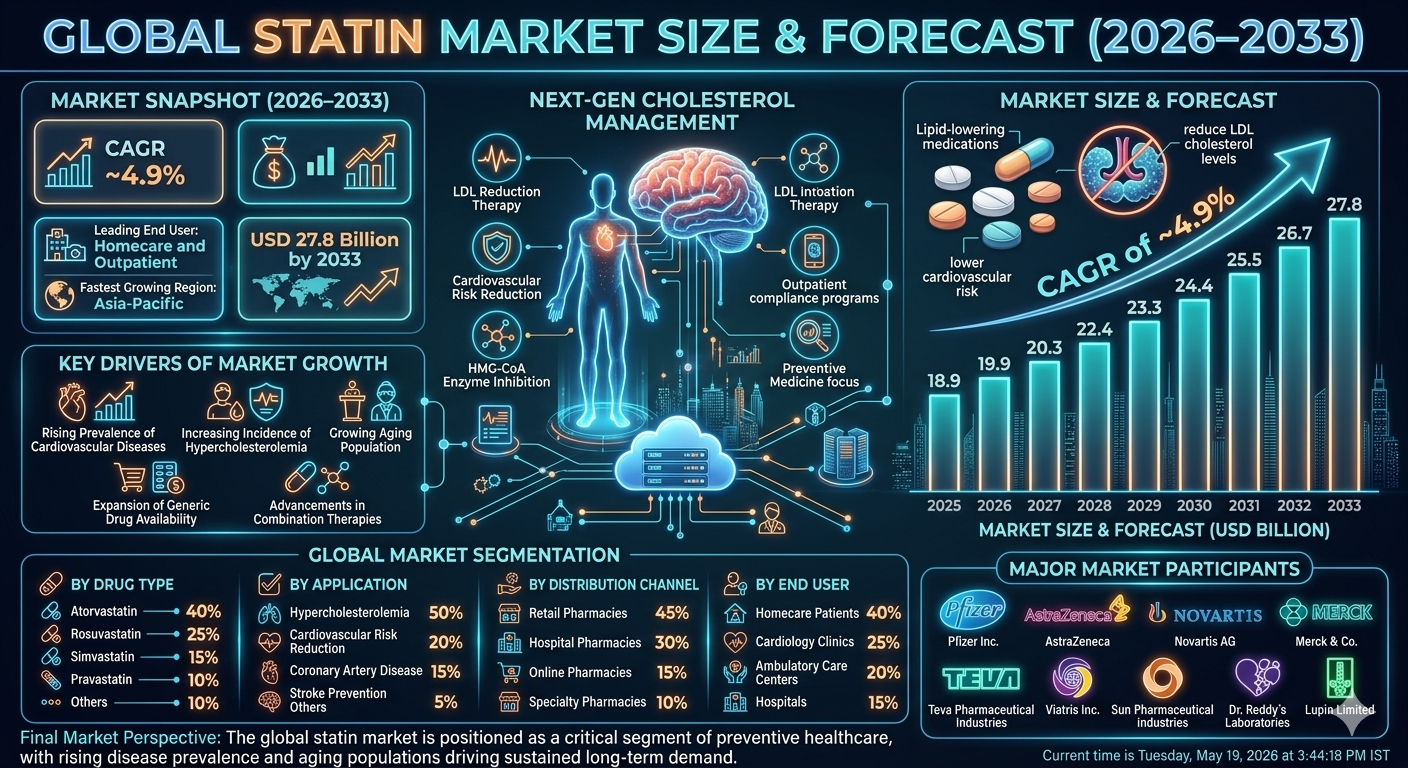
Global Statin Market Overview
The statin market represents a major segment of the global cardiovascular therapeutics industry. Statins are among the most widely prescribed medications worldwide due to their proven effectiveness in reducing cholesterol levels and cardiovascular risk. The market includes branded and generic statin drugs such as atorvastatin, rosuvastatin, simvastatin, pravastatin, fluvastatin, pitavastatin, and lovastatin. Statins are commonly prescribed for patients with coronary artery disease, diabetes, obesity, hypertension, and high cholesterol levels, making them essential components of preventive cardiovascular care. The increasing prevalence of sedentary lifestyles, unhealthy dietary habits, smoking, obesity, and diabetes is significantly increasing the global burden of cardiovascular disorders and driving long-term demand for lipid-lowering therapies. Major industry participants include Pfizer Inc., AstraZeneca, Novartis AG, Merck & Co., Teva Pharmaceutical Industries, Viatris Inc., Sun Pharmaceutical Industries, Dr. Reddy???s Laboratories, and Lupin Limited.Key Drivers of Global Statin Market Growth
Rising Prevalence of Cardiovascular Diseases
Cardiovascular diseases remain one of the leading causes of mortality globally, significantly increasing demand for cholesterol-lowering therapies. Statins are widely prescribed for both primary and secondary prevention of cardiovascular complications.Increasing Incidence of Hypercholesterolemia
Growing rates of obesity, diabetes, poor dietary habits, and sedentary lifestyles are contributing to increasing cholesterol-related health conditions. This is expanding the global patient population requiring long-term lipid management therapy.Growing Aging Population
The aging global population is more susceptible to cardiovascular disorders and elevated cholesterol levels. Older adults increasingly require long-term statin therapy for preventive cardiovascular care.Expansion of Generic Drug Availability
The expiration of patents for several major statin drugs has increased availability of affordable generic alternatives. Generic competition is improving patient accessibility and treatment adherence across emerging and developed markets.Advancements in Combination Therapies
Combination therapies integrating statins with antihypertensive drugs, PCSK9 inhibitors, or other lipid-lowering agents are improving treatment outcomes. These therapeutic advancements are enhancing physician adoption and patient compliance.Global Statin Market Segmentation
By Drug Type
The market is segmented into atorvastatin, rosuvastatin, simvastatin, pravastatin, pitavastatin, fluvastatin, and lovastatin. Atorvastatin and rosuvastatin account for a major market share due to strong clinical efficacy and widespread physician preference.By Application
Applications include hypercholesterolemia, coronary artery disease, stroke prevention, cardiovascular risk reduction, and diabetes-associated dyslipidemia. Hypercholesterolemia treatment represents the dominant application segment globally.By Distribution Channel
The market includes hospital pharmacies, retail pharmacies, online pharmacies, and specialty pharmacies. Retail pharmacies account for the largest market share due to long-term outpatient statin therapy usage.By End User
End users include hospitals, cardiology clinics, ambulatory care centers, and homecare patients. Homecare and outpatient management represent major segments due to chronic daily medication requirements.Regional Market Dynamics
North America
North America dominates the statin market due to high cardiovascular disease prevalence, strong healthcare infrastructure, and widespread cholesterol screening programs. The United States remains the largest regional market supported by advanced preventive healthcare systems and high prescription rates for lipid-lowering therapies.Europe
Europe holds a significant market share driven by increasing aging population, strong public healthcare systems, and growing awareness regarding cardiovascular risk management. Germany, the United Kingdom, France, Italy, and Spain are major contributors to regional market demand.Asia-Pacific
Asia-Pacific is the fastest-growing region due to rising urbanization, increasing cardiovascular disease burden, and expanding healthcare access. China, India, Japan, and South Korea are key markets experiencing growing adoption of cholesterol management therapies. The region also benefits from increasing generic drug manufacturing and rising healthcare expenditure.Latin America
Latin America is witnessing steady growth due to increasing healthcare awareness and rising prevalence of obesity and cardiovascular disorders. Brazil and Mexico are among the leading regional contributors.Middle East & Africa
The Middle East & Africa region is gradually expanding due to increasing incidence of lifestyle-related diseases and improving healthcare infrastructure.Competitive Landscape
The global statin market is highly competitive and largely driven by generic pharmaceutical manufacturers following patent expirations of major branded statins. Key players include Pfizer Inc., AstraZeneca, Novartis AG, Merck & Co., Viatris Inc., Teva Pharmaceutical Industries, Sun Pharmaceutical Industries, Dr. Reddy???s Laboratories, and Lupin Limited. Companies are focusing on expanding generic portfolios, improving drug formulations, and developing fixed-dose combination therapies to strengthen market positioning. Competition is primarily driven by pricing, manufacturing scale, distribution capabilities, regulatory approvals, and product availability.Strategic Outlook
The strategic outlook for the global statin market remains positive due to sustained long-term demand for cholesterol management and cardiovascular disease prevention. Future opportunities include personalized lipid management therapies, digital patient monitoring, AI-driven cardiovascular risk prediction, and combination treatment approaches. Healthcare systems are increasingly emphasizing preventive care initiatives and early cholesterol screening programs, which are expected to further support market expansion. Companies investing in patient adherence technologies, low-cost manufacturing, and integrated cardiovascular treatment solutions are likely to strengthen competitive advantages.Final Market Perspective
The global statin market continues to play a critical role in preventive cardiovascular healthcare and long-term cholesterol management worldwide. Rising cardiovascular disease prevalence, aging populations, and growing awareness regarding preventive health will continue driving demand for statin therapies throughout the forecast period. Organizations that successfully combine affordability, broad distribution reach, clinical effectiveness, and patient-centric treatment approaches will remain strongly positioned in the evolving global statin market.Table of Contents
Table of Contents
- 1. Executive Summary
- 1.1 Global Statin Market Snapshot (2026-2033)
- 1.2 Market Size & CAGR Analysis
- 1.3 Largest & Fastest-Growing Segments
- 1.4 Key Regional Insights
- 1.5 Market Growth Drivers
- 1.6 Competitive Landscape Overview
- 1.7 Future Industry Outlook
- 2. Introduction & Market Overview
- 2.1 Definition of Statins
- 2.2 Scope of the Study
- 2.3 Evolution of Cholesterol Management Therapies
- 2.4 Statin Market Ecosystem
- 2.5 Value Chain Analysis
- 2.6 Cardiovascular Disease Burden & Treatment Trends
- 2.7 Regulatory & Drug Approval Framework
- 3. Research Methodology
- 3.1 Primary Research
- 3.2 Secondary Research
- 3.3 Market Estimation Methodology
- 3.4 Forecast Assumptions (2026-2033)
- 3.5 Data Validation & Market Triangulation
- 4. Market Dynamics
- 4.1 Drivers
- 4.1.1 Rising Prevalence of Cardiovascular Diseases
- 4.1.2 Increasing Incidence of Hypercholesterolemia
- 4.1.3 Growing Aging Population
- 4.1.4 Expansion of Generic Drug Availability
- 4.1.5 Advancements in Combination Therapies
- 4.2 Restraints
- 4.2.1 Side Effects Associated with Statin Therapy
- 4.2.2 Patent Expirations & Pricing Pressure
- 4.2.3 Availability of Alternative Lipid-Lowering Therapies
- 4.2.4 Patient Non-Adherence to Long-Term Treatment
- 4.3 Opportunities
- 4.3.1 Personalized Lipid Management Therapies
- 4.3.2 Expansion in Emerging Healthcare Markets
- 4.3.3 Integration of Digital Health Monitoring
- 4.3.4 Development of Fixed-Dose Combination Drugs
- 4.4 Challenges
- 4.4.1 Intense Generic Market Competition
- 4.4.2 Regulatory Compliance & Quality Standards
- 4.4.3 Drug Safety Monitoring Requirements
- 4.4.4 Rising Adoption of Novel Cholesterol Therapies
- 4.1 Drivers
- 5. Global Statin Market Analysis (USD Billion), 2026-2033
- 5.1 Market Size Overview
- 5.2 CAGR Analysis
- 5.3 Revenue Distribution by Region
- 5.4 Segment-Wise Revenue Analysis
- 5.5 Prescription & Demand Trends
- 5.6 Innovation & Therapy Development Trends
- 6. Market Segmentation (USD Billion), 2026-2033
- 6.1 By Drug Type
- 6.1.1 Atorvastatin
- 6.1.2 Rosuvastatin
- 6.1.3 Simvastatin
- 6.1.4 Pravastatin
- 6.1.5 Pitavastatin
- 6.1.6 Fluvastatin
- 6.1.7 Lovastatin
- 6.2 By Application
- 6.2.1 Hypercholesterolemia
- 6.2.2 Coronary Artery Disease
- 6.2.3 Stroke Prevention
- 6.2.4 Cardiovascular Risk Reduction
- 6.2.5 Diabetes-Associated Dyslipidemia
- 6.3 By Distribution Channel
- 6.3.1 Hospital Pharmacies
- 6.3.2 Retail Pharmacies
- 6.3.3 Online Pharmacies
- 6.3.4 Specialty Pharmacies
- 6.4 By End User
- 6.4.1 Hospitals
- 6.4.2 Cardiology Clinics
- 6.4.3 Ambulatory Care Centers
- 6.4.4 Homecare Patients
- 6.1 By Drug Type
- 7. Market Segmentation by Geography
- 7.1 North America
- 7.2 Europe
- 7.3 Asia-Pacific
- 7.4 Latin America
- 7.5 Middle East & Africa
- 8. Competitive Landscape
- 8.1 Market Share Analysis
- 8.2 Generic vs Branded Statin Analysis
- 8.3 Product Portfolio Benchmarking
- 8.4 Strategic Partnerships & Collaborations
- 8.5 Pricing & Distribution Strategies
- 9. Company Profiles
- 9.1 Pfizer Inc.
- 9.2 AstraZeneca
- 9.3 Novartis AG
- 9.4 Merck & Co.
- 9.5 Viatris Inc.
- 9.6 Teva Pharmaceutical Industries
- 9.7 Sun Pharmaceutical Industries
- 9.8 Dr. Reddy???s Laboratories
- 9.9 Lupin Limited
- 9.10 Hikma Pharmaceuticals
- 10. Strategic Intelligence & Pheonix AI Insights
- 10.1 AI-Based Cardiovascular Risk Analytics
- 10.2 Digital Cholesterol Monitoring Systems
- 10.3 Predictive Patient Adherence Analytics
- 10.4 Preventive Healthcare Trend Analysis
- 10.5 Automated Competitive Benchmarking System
- 11. Future Outlook & Strategic Recommendations
- 11.1 Expansion of Preventive Cardiovascular Healthcare
- 11.2 Growth of Combination Lipid Therapies
- 11.3 AI-Driven Personalized Treatment Approaches
- 11.4 Emerging Market Expansion Strategies
- 11.5 Long-Term Market Outlook (2033+)
- 12. Appendix
- 13. About Pheonix Research
- 14. Disclaimer
Competitive Landscape
Global Statin Market Competitive Intensity & Market Structure Overview
The global statin market is highly competitive, mature, and predominantly generic-driven, characterized by intense pricing competition and large-scale participation from multinational pharmaceutical companies and regional generic drug manufacturers. The market structure is relatively consolidated among leading manufacturers in terms of production scale and distribution capabilities, while remaining fragmented across regional generic suppliers and local pharmaceutical companies.
Competitive intensity in the market is primarily influenced by generic pricing strategies, manufacturing efficiency, regulatory approvals, product availability, and distribution reach. Since most major statin drugs have lost patent exclusivity, competition has shifted from brand differentiation toward cost optimization, supply chain strength, and patient accessibility.
The market continues to evolve through development of fixed-dose combination therapies, improved patient adherence solutions, and integration of statins into broader cardiovascular disease management programs.
Global Statin Market Competitive Intensity & Market Structure Current Scenario
Leading Statin Manufacturers & Cardiovascular Pharmaceutical Companies
Pfizer Inc.: One of the most recognized players in the statin market through its historical leadership with atorvastatin (Lipitor), one of the world???s best-selling cholesterol-lowering drugs.
AstraZeneca: Strong participant in lipid-lowering therapies with significant presence in rosuvastatin-based cardiovascular treatment portfolios.
Novartis AG: Active participant in cardiovascular therapeutics with broad pharmaceutical distribution capabilities and global healthcare presence.
Merck & Co.: Major contributor to cardiovascular therapeutics and preventive healthcare solutions with strong global pharmaceutical infrastructure.
Viatris Inc.: Leading global generic pharmaceutical manufacturer with extensive statin distribution across developed and emerging markets.
Teva Pharmaceutical Industries: Strong generic drug manufacturer with broad statin product availability and global supply chain capabilities.
Sun Pharmaceutical Industries: Major player in generic cardiovascular medications with strong manufacturing scale and expanding international market reach.
Dr. Reddy???s Laboratories: Significant participant in generic statin production and affordable cardiovascular drug supply across global markets.
Lupin Limited: Key pharmaceutical company with growing cardiovascular portfolio and strong presence in generic lipid-lowering therapies.
Regional Generic Manufacturers: Numerous regional pharmaceutical companies across Asia-Pacific, Latin America, and Eastern Europe continue intensifying market fragmentation through low-cost statin offerings.
Key Competitive Intensity & Market Structure Drivers
One of the strongest competitive drivers is the extensive availability of generic statins following patent expirations of major branded drugs. This has significantly intensified pricing pressure across global pharmaceutical markets.
Manufacturing scale and cost efficiency are critical competitive factors, particularly in emerging markets where affordability strongly influences prescription volumes and patient adherence.
Fixed-dose combination therapies integrating statins with antihypertensive agents, diabetes medications, or additional lipid-lowering compounds are becoming important differentiation strategies among pharmaceutical companies.
Regulatory compliance and global approval capabilities also play a major role in market competition, especially for manufacturers supplying high-volume generic statins to regulated markets such as the United States and Europe.
Digital healthcare integration and patient adherence programs are emerging as additional competitive differentiators, particularly in long-term chronic cardiovascular disease management.
Strategic Implications of Competitive Intensity & Market Structure
Pharmaceutical companies are increasingly prioritizing high-volume generic manufacturing and supply chain optimization to maintain profitability within highly price-sensitive market conditions.
Strategic investments in fixed-dose combination therapies are helping companies differentiate product offerings while improving patient compliance and treatment outcomes.
Emerging markets are becoming increasingly important competitive growth regions due to rising cardiovascular disease prevalence, improving healthcare access, and expanding generic drug demand.
Partnerships with healthcare providers, insurance systems, and retail pharmacy networks are becoming essential strategies for improving prescription penetration and patient accessibility.
Companies are also investing in AI-driven cardiovascular risk assessment tools, digital monitoring systems, and preventive healthcare platforms to support broader cardiovascular management ecosystems.
Global Statin Market Competitive Intensity & Market Structure Forward Outlook
The global statin market is expected to remain highly competitive and strongly generic-oriented through 2033, with pricing pressure continuing to shape overall market dynamics.
Future competition will increasingly focus on integrated cardiovascular disease management solutions, combination therapies, personalized lipid treatment approaches, and digital patient adherence technologies.
While the market is mature in developed economies, emerging regions in Asia-Pacific, Latin America, and the Middle East are expected to create new growth opportunities due to rising lifestyle-related cardiovascular disorders.
Market consolidation may gradually increase as large pharmaceutical manufacturers strengthen scale advantages through acquisitions, regional expansion, and vertically integrated supply chain strategies.
Overall, the statin market will remain structurally stable but competitively intense, supported by long-term global demand for preventive cardiovascular care and cholesterol management therapies. Companies that successfully combine affordability, manufacturing efficiency, regulatory strength, and patient-centric treatment solutions will remain strongly positioned in the evolving global statin market.
Value Chain
Global Statin Market Value Chain & Supply Chain Evolution Overview
The Global Statin Market value chain is evolving from a traditional pharmaceutical manufacturing ecosystem into a highly integrated, cost-efficient, globally distributed, and preventive healthcare-focused therapeutic supply network. This transformation is being driven by rising cardiovascular disease prevalence, increasing demand for long-term cholesterol management therapies, expansion of generic drug manufacturing, and growing emphasis on preventive healthcare strategies worldwide.
The statin value chain begins with upstream raw material sourcing and active pharmaceutical ingredient (API) production, which includes chemical intermediates, solvents, catalysts, excipients, pharmaceutical-grade compounds, and packaging materials required for statin formulation and drug manufacturing. API manufacturers and specialty chemical suppliers play a critical role in maintaining product quality, cost efficiency, and regulatory compliance. Increasing focus on supply chain resilience and affordable drug accessibility is encouraging pharmaceutical companies to diversify sourcing strategies and strengthen regional manufacturing capabilities.
The manufacturing layer forms the operational core of the statin market value chain and includes API synthesis, formulation development, tablet compression, encapsulation, coating, packaging, labeling, and quality assurance operations. Pharmaceutical manufacturers are increasingly adopting process automation, continuous manufacturing systems, AI-assisted quality control technologies, and advanced analytical testing platforms to improve operational efficiency, reduce production costs, and maintain product consistency. Generic statin production continues to dominate manufacturing activities following patent expirations of major branded statin drugs.
Contract manufacturing organizations (CMOs) and contract development and manufacturing organizations (CDMOs) play an increasingly important role within the statin ecosystem as pharmaceutical companies continue outsourcing production operations to optimize manufacturing costs and expand global distribution capabilities. India and China remain major global hubs for statin API manufacturing and generic pharmaceutical production due to strong chemical manufacturing infrastructure, cost advantages, and established pharmaceutical export ecosystems.
The distribution structure of the statin market is highly extensive and globally interconnected, involving pharmaceutical wholesalers, hospital supply chains, retail pharmacy networks, online pharmacies, healthcare distributors, and cold-chain independent logistics systems. Statin therapies are widely distributed to hospitals, cardiology clinics, ambulatory care centers, pharmacies, and homecare patients across both developed and emerging healthcare markets. Efficient inventory management, regulatory traceability, and uninterrupted drug availability remain critical throughout the pharmaceutical supply chain.
Regulatory compliance and quality assurance represent central pillars within the statin value chain. Manufacturers must comply with stringent pharmaceutical regulations established by organizations such as the U.S. FDA, European Medicines Agency (EMA), WHO, PMDA, and national healthcare authorities governing Good Manufacturing Practices (GMP), bioequivalence testing, product stability, safety monitoring, and labeling standards. Increasing regulatory scrutiny is encouraging investment in digital quality management systems, electronic batch records, and AI-assisted manufacturing inspection technologies.
Overall, the statin market value chain is evolving into a highly scalable, cost-optimized, globally diversified, and preventive healthcare-oriented pharmaceutical ecosystem focused on affordability, accessibility, regulatory compliance, and long-term treatment continuity.
Global Statin Market Value Chain & Supply Chain Evolution Current Scenario
The current statin market supply chain is characterized by large-scale generic drug manufacturing, extensive global distribution networks, and strong emphasis on affordable long-term cardiovascular treatment accessibility. Generic pharmaceutical manufacturers account for a major share of global statin production following the expiration of patents for several leading branded statin therapies.
Asia-Pacific continues to dominate global statin API and generic drug manufacturing activities, particularly India and China, which benefit from large-scale pharmaceutical production infrastructure, established export capabilities, and cost-efficient manufacturing ecosystems. These regions play a critical role in supplying statin therapies to healthcare systems worldwide.
Retail pharmacies remain the dominant distribution channel due to the chronic and long-term nature of statin therapy usage. Online pharmacy platforms are also expanding rapidly due to increasing digital healthcare adoption, home delivery convenience, and growing telemedicine integration.
Digital transformation is increasingly reshaping pharmaceutical supply chain operations, with AI-assisted demand forecasting, predictive inventory management, automated quality monitoring, cloud-based regulatory systems, and smart logistics tracking technologies becoming more widely adopted. These technologies are helping pharmaceutical companies improve operational efficiency and maintain stable medication supply.
Sustainability is also becoming an increasingly important operational priority within the statin supply chain. Pharmaceutical manufacturers are investing in green chemistry initiatives, energy-efficient production systems, solvent recycling technologies, and environmentally sustainable packaging solutions to comply with evolving environmental regulations and corporate sustainability goals.
Key Value Chain & Supply Chain Evolution Signals in Global Statin Market
One of the strongest transformation signals within the statin market is the increasing dominance of generic drug manufacturing, which is significantly improving treatment affordability and expanding patient accessibility globally. Pharmaceutical companies are actively expanding generic production capabilities to meet rising cardiovascular treatment demand across emerging and developed healthcare markets.
Another major evolution signal is the growing integration of preventive healthcare strategies and early cardiovascular risk management programs. Governments and healthcare systems are increasingly emphasizing cholesterol screening, preventive treatment protocols, and long-term lipid management programs, driving stable long-term demand for statin therapies.
Digitalization is becoming a defining characteristic of the pharmaceutical supply chain, with AI-powered manufacturing analytics, electronic quality management systems, predictive maintenance platforms, and automated regulatory documentation systems improving operational performance and regulatory compliance.
The expansion of combination therapies integrating statins with antihypertensive drugs, PCSK9 inhibitors, and diabetes management medications is also reshaping product development strategies and pharmaceutical manufacturing priorities.
Additionally, regional supply chain diversification and localized pharmaceutical manufacturing initiatives are becoming increasingly important as governments seek to reduce dependency on concentrated global pharmaceutical production hubs and strengthen domestic drug security capabilities.
Strategic Implications of Value Chain & Supply Chain Evolution in Global Statin Market
The evolving statin value chain presents significant strategic implications for pharmaceutical manufacturers, generic drug producers, API suppliers, healthcare distributors, and regulatory authorities. Companies that successfully combine low-cost manufacturing, large-scale production efficiency, regulatory compliance, and broad distribution capabilities are expected to strengthen their competitive positioning within the global cardiovascular therapeutics ecosystem.
Supply chain resilience is becoming a strategic priority as pharmaceutical firms increasingly diversify supplier networks, regional manufacturing operations, and inventory management systems to minimize future disruptions and ensure stable long-term drug availability.
Investment in digital manufacturing technologies, AI-assisted quality systems, and predictive supply chain analytics is creating operational efficiency advantages by improving manufacturing consistency, reducing operational costs, and strengthening regulatory oversight capabilities.
Expansion into fixed-dose combination therapies and personalized cardiovascular treatment approaches is creating new product differentiation opportunities for pharmaceutical companies seeking long-term market competitiveness.
Long-term competitive success will increasingly depend on balancing affordability, manufacturing scalability, regulatory excellence, distribution efficiency, sustainability goals, and patient adherence support while maintaining stable pharmaceutical supply continuity across global healthcare markets.
Global Statin Market Value Chain & Supply Chain Evolution Forward Outlook
Between 2026 and 2033, the statin value chain is expected to become increasingly digitalized, regionally diversified, cost-efficient, and patient-centric. Pharmaceutical manufacturers are expected to continue investing in automation systems, AI-driven production analytics, continuous manufacturing technologies, and smart supply chain management platforms to improve operational resilience and production scalability.
Generic statin production will continue dominating the market landscape, while combination therapies and personalized cardiovascular treatment solutions are expected to create new growth opportunities across preventive healthcare markets.
Digital healthcare integration, including remote patient monitoring, AI-driven cardiovascular risk prediction systems, telemedicine platforms, and digital adherence management technologies, is expected to strengthen long-term treatment compliance and patient engagement.
Sustainability initiatives will continue gaining importance across the pharmaceutical ecosystem, with increasing investment in environmentally responsible manufacturing systems, recyclable packaging materials, low-emission logistics operations, and green chemistry technologies.
Ultimately, the future statin value chain will evolve into a highly efficient, digitally connected, globally diversified, and preventive healthcare-focused pharmaceutical ecosystem where affordability, manufacturing excellence, supply chain resilience, and patient-centered treatment accessibility collectively define long-term industry competitiveness.
Market-Specific Value Chain
- Raw Material & API Supply: Chemical intermediate suppliers, pharmaceutical-grade compound manufacturers, solvent and catalyst providers, API production companies
- Drug Manufacturing & Formulation: Statin formulation manufacturers, tablet compression facilities, encapsulation units, pharmaceutical packaging companies
- Quality Assurance & Regulatory Compliance: GMP testing laboratories, bioequivalence testing providers, regulatory documentation systems, quality control service providers
- Contract Manufacturing & Generic Production: Generic pharmaceutical manufacturers, CMOs, CDMOs, outsourced pharmaceutical production facilities
- Distribution & Pharmaceutical Logistics: Retail pharmacy chains, hospital distributors, online pharmacy platforms, pharmaceutical wholesalers, healthcare logistics providers
- Healthcare Delivery & Patient Management: Hospitals, cardiology clinics, preventive healthcare programs, telemedicine platforms, patient adherence management providers
Investment Activity
Global Statin Market Investment & Funding Dynamics Overview
Investment and funding dynamics in the Global Statin Market are being driven by the rising global burden of cardiovascular diseases, increasing demand for preventive healthcare solutions, and expanding adoption of affordable lipid-lowering therapies. Between 2026 and 2033, investments are expected to focus on generic statin manufacturing expansion, fixed-dose combination therapies, digital patient adherence technologies, and large-scale cardiovascular disease management programs aimed at improving long-term treatment outcomes.
The statin industry continues evolving through integration of precision medicine strategies, AI-driven cardiovascular risk assessment tools, and digitally enabled patient monitoring systems designed to improve therapy compliance and preventive care management. Major pharmaceutical companies including Pfizer Inc., AstraZeneca, Novartis AG, Merck & Co., Viatris Inc., Teva Pharmaceutical Industries, Sun Pharmaceutical Industries, Dr. Reddy???s Laboratories, and Lupin Limited are actively investing in manufacturing optimization, supply chain expansion, and advanced cardiovascular treatment portfolios.
A major structural trend influencing investment activity is the growing transition toward cost-efficient generic statin therapies and combination treatment approaches integrating statins with antihypertensive drugs, diabetes medications, and next-generation lipid-lowering agents. These developments are encouraging funding into integrated cardiovascular care solutions capable of improving patient adherence and long-term clinical effectiveness.
The market is also benefiting from rising investments in preventive healthcare infrastructure, public cholesterol screening programs, telemedicine platforms, and population-wide cardiovascular disease awareness initiatives. Increasing healthcare digitization and expansion of chronic disease management ecosystems are creating additional opportunities for pharmaceutical manufacturers and healthcare technology providers globally.
Global Statin Market Investment & Funding Dynamics Current Scenario
Current investment activity in the statin market is strongly supported by increasing cardiovascular disease prevalence, growing healthcare expenditure, and rising global demand for affordable chronic disease management therapies. Pharmaceutical companies are actively investing in large-scale generic production capabilities, combination drug development, digital patient engagement platforms, and distribution network expansion to improve accessibility and market competitiveness.
- North America: Continues attracting major investments due to high cardiovascular disease incidence, strong prescription volumes, advanced preventive healthcare systems, and growing adoption of digital cardiovascular monitoring technologies.
- Asia-Pacific: Represents one of the fastest-growing investment regions supported by expanding healthcare access, increasing generic drug manufacturing capacity, and rising cardiovascular disease burden across China, India, Japan, and South Korea.
- Europe: Witnessing stable investment growth driven by aging populations, government-supported preventive healthcare programs, and strong adoption of cholesterol management therapies across Germany, France, Italy, Spain, and the United Kingdom.
- Latin America & Middle East: Emerging as important growth markets supported by improving healthcare infrastructure, increasing awareness regarding lifestyle-related diseases, and rising investments in affordable chronic disease treatment programs.
Key Investment & Funding Dynamics Signals in Global Statin Market
- Growing prevalence of obesity, diabetes, hypertension, and cardiovascular disorders is driving investments into long-term cholesterol management therapies and preventive cardiovascular care programs.
- Expansion of generic statin manufacturing is attracting strong funding activity due to increasing global demand for cost-effective lipid-lowering medications.
- Combination therapies integrating statins with antihypertensive and diabetes drugs are encouraging investments in fixed-dose formulations and integrated cardiovascular treatment platforms.
- AI-driven cardiovascular risk assessment tools and digital health platforms are supporting investments in personalized patient management and adherence monitoring technologies.
- Telemedicine expansion and remote patient monitoring systems are increasing funding into digital cardiovascular healthcare ecosystems and chronic disease management infrastructure.
- Government-led cholesterol screening initiatives and preventive healthcare campaigns are strengthening investment opportunities in primary and secondary cardiovascular prevention strategies.
- Pharmaceutical supply chain optimization and regional manufacturing diversification are becoming key investment priorities to improve global drug accessibility and production resilience.
Strategic Implications of Investment & Funding Dynamics in Global Statin Market
- The investment landscape increasingly favors companies capable of combining low-cost manufacturing, broad distribution capabilities, and integrated cardiovascular care solutions.
- Technological innovation is becoming increasingly important in digital patient adherence systems, AI-based cardiovascular analytics, and remote chronic disease monitoring platforms.
- Strategic collaborations between pharmaceutical companies, healthcare providers, insurance companies, and digital health technology firms are becoming critical for expanding preventive cardiovascular care services.
- Regional diversification strategies remain important, with North America leading preventive care innovation, Asia-Pacific driving generic manufacturing growth, and Europe emphasizing population-wide cardiovascular health management.
- Companies investing in fixed-dose combinations and personalized treatment approaches are expected to strengthen long-term physician adoption and patient compliance.
- Affordable healthcare access and scalable manufacturing infrastructure are emerging as major competitive differentiators in both developed and emerging pharmaceutical markets.
- Organizations with strong regulatory expertise, cardiovascular research capabilities, and integrated healthcare partnerships are expected to maintain stronger market positioning.
Global Statin Market Investment & Funding Dynamics Forward Outlook
Looking ahead, the Global Statin Market is expected to maintain stable long-term investment momentum supported by rising cardiovascular disease prevalence, increasing aging populations, and expanding focus on preventive healthcare globally.
Future capital allocation will prioritize personalized lipid management solutions, AI-enabled cardiovascular diagnostics, next-generation combination therapies, digital patient engagement technologies, and scalable generic drug manufacturing infrastructure.
- Asia-Pacific: Will remain a major investment growth region due to rising healthcare expenditure, expanding pharmaceutical manufacturing ecosystems, and increasing cardiovascular disease management initiatives.
- North America: Will continue strengthening its market leadership through investments in digital cardiovascular care platforms, preventive medicine programs, and integrated chronic disease management technologies.
- Europe: Will increasingly focus on aging population healthcare strategies, preventive cardiovascular treatment programs, and cost-efficient long-term cholesterol management solutions.
Future funding activity is also expected to accelerate across digital therapeutics, remote cardiovascular monitoring systems, AI-powered clinical decision support tools, and patient adherence management technologies.
Preventive healthcare expansion, healthcare digitization, and affordable chronic disease management will remain central investment priorities across the statin industry. The growing integration of digital health technologies with long-term cardiovascular care programs will continue reshaping competitive strategies and healthcare delivery models globally.
Overall, the market is expected to maintain stable long-term investment attractiveness due to its critical role in cardiovascular disease prevention and population health management. Companies that successfully combine affordability, manufacturing scale, digital healthcare integration, and patient-centric treatment strategies will remain strongly positioned to lead the Global Statin Market through 2033.
Technology & Innovation
Global Statin Market Technology & Innovation Landscape Overview
The technology and innovation landscape of the Global Statin Market is evolving steadily as pharmaceutical companies, healthcare providers, and digital health platforms increasingly focus on improving cardiovascular risk management, patient adherence, precision medicine, and long-term cholesterol control strategies. Innovation within the market is centered around advanced drug formulations, combination therapies, digital patient monitoring systems, AI-driven cardiovascular analytics, and personalized lipid management approaches designed to improve treatment effectiveness and patient outcomes.
The growing integration of digital healthcare technologies into cardiovascular disease management is significantly transforming the statin therapy ecosystem. Healthcare providers are increasingly utilizing electronic health records (EHRs), remote patient monitoring systems, AI-supported cardiovascular risk prediction models, and digital adherence tools to optimize long-term statin therapy management and preventive care strategies.
Pharmaceutical innovation within the statin market is increasingly focused on fixed-dose combination therapies that combine statins with antihypertensive agents, ezetimibe, PCSK9 inhibitors, or diabetes medications to improve treatment convenience and cardiovascular outcomes. These combination therapies are helping improve patient compliance while supporting more comprehensive cardiovascular risk reduction.
Artificial intelligence and predictive analytics are also emerging as important innovation areas in preventive cardiovascular healthcare. AI-based diagnostic platforms are increasingly being used to analyze lipid profiles, lifestyle factors, genetic risk markers, and cardiovascular disease progression to support personalized treatment planning and early intervention strategies.
Additionally, advancements in pharmaceutical manufacturing technologies, controlled-release formulations, bioavailability optimization, and generic drug production are improving medication accessibility, treatment consistency, and cost efficiency across global healthcare systems. Manufacturers are also increasingly focusing on pharmacovigilance systems and patient engagement technologies to strengthen medication adherence and safety monitoring.
Global Statin Market Technology & Innovation Landscape Current Scenario
Currently, the global statin market is witnessing moderate but continuous technological advancement driven by increasing demand for preventive cardiovascular healthcare and chronic disease management solutions. Major pharmaceutical markets such as the United States, Europe, China, Japan, and India are increasingly integrating digital health technologies, AI-supported diagnostics, and personalized treatment approaches into cardiovascular care systems.
Fixed-dose combination therapies are becoming increasingly important within the market. Combination products integrating statins with blood pressure medications, antiplatelet therapies, or additional lipid-lowering agents are improving treatment adherence and simplifying medication regimens for high-risk cardiovascular patients.
Digital adherence technologies are also gaining momentum across the statin therapy landscape. Mobile health applications, smart medication reminders, connected pill dispensers, and remote monitoring systems are helping improve patient compliance with long-term cholesterol management programs.
Artificial intelligence is increasingly being integrated into cardiovascular risk assessment platforms to support early disease detection and preventive treatment planning. AI-enabled systems can analyze cholesterol levels, lifestyle behaviors, family history, imaging data, and biomarker profiles to identify patients at elevated cardiovascular risk.
Pharmaceutical manufacturers are also focusing on improving manufacturing efficiency and supply chain resilience through advanced production technologies, process automation, and scalable generic drug manufacturing systems. These innovations are helping improve global accessibility to affordable statin therapies.
Additionally, healthcare systems are increasingly adopting telemedicine and remote cardiovascular monitoring technologies to improve long-term patient management, medication optimization, and preventive care delivery for patients receiving statin therapy.
Key Technology & Innovation Trends in Global Statin Market
- Fixed-Dose Combination Therapies: Integrated formulations combining statins with antihypertensive or additional lipid-lowering medications.
- AI-Based Cardiovascular Risk Prediction: Artificial intelligence platforms analyzing patient risk factors and cholesterol profiles for preventive care optimization.
- Digital Patient Adherence Tools: Smart medication reminders, connected pill dispensers, and mobile health applications improving treatment compliance.
- Remote Cardiovascular Monitoring: Telehealth and wearable monitoring systems supporting long-term cholesterol management.
- Personalized Lipid Management: Precision medicine approaches tailored to genetic, metabolic, and cardiovascular risk profiles.
- Controlled-Release Formulations: Advanced drug delivery technologies improving dosing convenience and medication consistency.
- Generic Manufacturing Optimization: Scalable pharmaceutical production systems improving affordability and global accessibility.
- Cloud-Based Healthcare Integration: Digital health platforms supporting patient monitoring, prescription management, and clinical analytics.
- Predictive Preventive Healthcare Analytics: Data-driven cardiovascular prevention strategies improving early intervention outcomes.
- Pharmacovigilance & Safety Monitoring Systems: Advanced monitoring technologies improving adverse event tracking and medication safety.
Strategic Implications of Technology & Innovation
Technological innovation is gradually reshaping the statin market by transitioning cardiovascular care toward preventive, personalized, and digitally connected healthcare models. Pharmaceutical companies and healthcare providers are increasingly focusing on integrated treatment ecosystems that combine medication therapy, patient monitoring, digital engagement, and predictive analytics to improve long-term cardiovascular outcomes.
For pharmaceutical manufacturers, investment in combination therapies, digital adherence technologies, and precision medicine strategies has become increasingly important for maintaining competitiveness within the mature statin market. Companies leveraging patient-centric treatment models and digital healthcare integration are strengthening long-term market positioning.
The growing adoption of AI-supported cardiovascular diagnostics and predictive healthcare analytics is also improving patient stratification, early intervention, and preventive treatment planning. These technologies are helping healthcare providers optimize therapy selection and reduce long-term cardiovascular complications.
At the same time, challenges such as medication adherence issues, pricing pressure from generic competition, regulatory compliance requirements, and patient safety monitoring remain key factors influencing market dynamics. Manufacturers must continue focusing on affordability, manufacturing quality, and clinical evidence generation to maintain physician confidence and treatment adoption.
The increasing emphasis on preventive healthcare and chronic disease management is expected to further strengthen the role of digital health technologies and personalized medicine within the statin therapy landscape.
Global Statin Market Technology & Innovation Forward Outlook
Looking ahead, the global statin market is expected to evolve toward more personalized, predictive, and digitally integrated cardiovascular management ecosystems supported by artificial intelligence, remote patient monitoring, precision medicine, and data-driven preventive healthcare strategies.
Artificial intelligence is expected to play a larger role in identifying high-risk cardiovascular patients, optimizing treatment pathways, and predicting long-term therapy outcomes based on genetic markers, biomarker analysis, lifestyle data, and real-world evidence.
Digital therapeutics and connected healthcare platforms are also expected to become increasingly integrated into cholesterol management programs. Patients receiving statin therapy will increasingly utilize mobile health ecosystems, wearable monitoring devices, and AI-powered health coaching systems to improve treatment adherence and lifestyle management.
Future pharmaceutical innovation may also focus on advanced lipid-lowering combinations, next-generation cardiovascular prevention therapies, and individualized treatment optimization based on pharmacogenomics and precision medicine technologies.
Additionally, global healthcare systems are expected to increasingly emphasize early cholesterol screening, preventive cardiology programs, and population-level cardiovascular risk reduction initiatives, further supporting long-term statin demand worldwide.
In conclusion, the Global Statin Market is undergoing gradual technological transformation driven by digital healthcare integration, AI-supported cardiovascular analytics, combination therapy innovation, and personalized preventive medicine strategies. Companies that successfully combine affordability, clinical effectiveness, digital patient engagement, and scalable healthcare integration will remain strongly positioned in the evolving global statin therapy market.
Market Risk
Global Statin Market Risk Factors & Disruption Threats Overview
The global statin market continues to expand steadily due to the rising prevalence of cardiovascular diseases, increasing cholesterol-related health conditions, growing aging populations, and strong global emphasis on preventive healthcare. Despite stable long-term demand, the market operates within a highly competitive and regulated pharmaceutical environment exposed to multiple risk factors including pricing pressure, generic market saturation, regulatory scrutiny, patent expirations, adverse drug effect concerns, supply chain disruptions, and evolving treatment alternatives.
One of the primary risk factors affecting the statin market is intense pricing competition driven by widespread generic drug availability. The expiration of patents for major statin brands has significantly increased the presence of low-cost generic manufacturers across global markets. While generics improve treatment accessibility, they also create substantial pricing pressure and margin compression for pharmaceutical companies. Highly competitive pricing environments may reduce profitability and limit investment capacity for product differentiation and innovation.
Regulatory compliance remains another critical challenge within the statin industry. Manufacturers must comply with strict pharmaceutical regulations related to Good Manufacturing Practices (GMP), product quality assurance, bioequivalence testing, labeling standards, and pharmacovigilance monitoring. Regulatory agencies including the U.S. FDA, EMA, and national healthcare authorities continue to increase scrutiny regarding manufacturing consistency, drug safety, and supply chain traceability. Non-compliance may result in product recalls, warning letters, import restrictions, or manufacturing shutdowns.
Concerns regarding statin-related side effects and long-term patient adherence also represent significant market risks. Some patients experience muscle pain, liver complications, fatigue, or metabolic side effects associated with prolonged statin usage. Negative media coverage, patient skepticism, and misinformation regarding statin safety may reduce treatment adherence rates and impact prescription growth in certain markets.
The market is also facing growing disruption from alternative lipid-lowering therapies and next-generation cardiovascular treatments. PCSK9 inhibitors, RNA-based cholesterol therapies, gene-editing technologies, and personalized cardiovascular medicine approaches are emerging as potential competitive threats to traditional statin therapies. Although statins remain widely prescribed due to affordability and clinical effectiveness, advanced biologic therapies may gradually reshape long-term treatment strategies for high-risk cardiovascular patients.
Supply chain instability and raw material dependency are additional operational risks affecting the market. Statin manufacturers rely on active pharmaceutical ingredient (API) production networks concentrated in countries such as China and India. Geopolitical tensions, export restrictions, transportation bottlenecks, and API shortages may disrupt global pharmaceutical supply chains and impact medication availability.
Global Statin Market Risk Factors & Disruption Threats Current Scenario
The current statin market environment reflects stable global demand combined with increasing healthcare cost pressures and intensified competition among generic manufacturers. Governments and healthcare systems worldwide are focusing heavily on reducing pharmaceutical spending, resulting in aggressive pricing negotiations and reimbursement restrictions across multiple markets.
At the same time, cardiovascular disease prevalence continues rising globally due to sedentary lifestyles, obesity, diabetes, smoking, and aging populations. This ongoing increase in chronic disease burden continues supporting long-term demand for cholesterol management therapies despite market pricing challenges.
The market is also experiencing increasing emphasis on preventive healthcare and early cardiovascular risk screening. Healthcare providers are increasingly promoting cholesterol monitoring programs and preventive treatment strategies to reduce long-term healthcare costs associated with cardiovascular complications.
Digital healthcare technologies and AI-assisted patient monitoring systems are gradually being integrated into cardiovascular care management. Mobile health applications, wearable devices, and digital adherence monitoring tools are improving patient engagement and long-term treatment compliance. However, digital integration also introduces cybersecurity risks and healthcare data privacy concerns.
In addition, pharmaceutical manufacturers are increasingly investing in fixed-dose combination therapies that combine statins with antihypertensive drugs, antiplatelet agents, or advanced lipid-lowering therapies. While these innovations improve treatment convenience and adherence, they also increase regulatory complexity and product development costs.
Global Statin Market Key Risk Factors & Disruption Threat Signals
- Generic Pricing Pressure: Intense competition among generic manufacturers leading to margin compression and reduced profitability.
- Regulatory Compliance Risks: Increasing scrutiny regarding GMP standards, bioequivalence testing, and pharmaceutical manufacturing quality.
- Alternative Therapy Competition: Growing adoption of PCSK9 inhibitors, RNA-based therapies, and advanced lipid-lowering treatments.
- Patient Adherence Challenges: Side effects, misinformation, and long-term medication fatigue impacting treatment continuation.
- Supply Chain Vulnerabilities: API concentration risks, geopolitical instability, and pharmaceutical logistics disruptions.
- Healthcare Cost Containment: Government pricing controls and reimbursement restrictions affecting revenue growth.
- Counterfeit Pharmaceutical Risks: Expansion of low-quality or falsified statin products within global pharmaceutical supply chains.
- Digital Health Cybersecurity Risks: Increased use of digital cardiovascular monitoring technologies creating data security challenges.
- Patent Expiration Impact: Continued erosion of branded statin revenues due to expanding generic penetration.
- Changing Clinical Treatment Guidelines: Evolving cardiovascular treatment protocols potentially affecting prescribing behavior.
Strategic Implications of Risk Factors
Statin manufacturers must prioritize operational efficiency, cost optimization, and supply chain resilience to maintain competitiveness within increasingly price-sensitive pharmaceutical markets. Expanding multi-region API sourcing strategies and strengthening manufacturing quality systems will become increasingly important for long-term operational stability.
Companies should continue investing in combination therapies, patient adherence programs, and digital health integration to improve treatment outcomes and differentiate products within highly competitive generic environments. Personalized cardiovascular care solutions and AI-assisted patient monitoring technologies may further strengthen market positioning.
Regulatory excellence and pharmacovigilance capabilities will remain critical strategic priorities. Pharmaceutical companies must maintain strong compliance systems, transparent quality assurance processes, and advanced manufacturing standards to sustain regulatory approvals and global market access.
Manufacturers should also monitor emerging competition from biologics, gene therapies, and RNA-based lipid management technologies. Strategic partnerships, cardiovascular research investments, and pipeline diversification may help companies adapt to evolving treatment landscapes.
Environmental sustainability and ethical pharmaceutical manufacturing practices are becoming increasingly important within global healthcare procurement systems. Companies adopting sustainable API production methods, waste reduction systems, and environmentally responsible manufacturing practices may strengthen corporate reputation and long-term healthcare partnerships.
Global Statin Market Forward Risk Outlook
Looking ahead to 2026???2033, the global statin market is expected to maintain stable growth supported by increasing cardiovascular disease prevalence, aging populations, and rising preventive healthcare awareness. However, future market dynamics will increasingly be shaped by pricing pressures, treatment innovation, healthcare policy changes, and technological transformation within cardiovascular care management.
Advanced lipid-lowering therapies, precision medicine approaches, and AI-driven cardiovascular risk prediction systems are expected to influence future treatment strategies. While statins are likely to remain foundational therapies due to affordability and proven clinical effectiveness, emerging biologic and genetic therapies may gradually alter treatment pathways for high-risk patients.
Digital healthcare ecosystems integrating wearable technologies, remote patient monitoring, and predictive analytics are also expected to improve long-term patient adherence and preventive cardiovascular care management. Companies investing in connected healthcare solutions and patient-centric treatment ecosystems may strengthen future competitiveness.
Geopolitical uncertainty, pharmaceutical pricing reforms, and evolving global regulatory standards will continue influencing manufacturing investments, supply chain strategies, and market accessibility throughout the forecast period.
Overall, while the global statin market presents stable long-term growth opportunities, sustainable competitive advantage will depend on balancing affordability, regulatory compliance, manufacturing scalability, treatment innovation, patient adherence, and operational resilience within an increasingly complex global cardiovascular therapeutics environment.
Regulatory Landscape
Global Statin Market Regulatory & Policy Environment Overview
The regulatory and policy environment governing the global statin market is highly structured and pharmaceutical-focused due to the critical role statins play in cardiovascular disease prevention and long-term chronic disease management. Regulatory agencies worldwide maintain strict oversight regarding drug safety, manufacturing quality, clinical efficacy, labeling standards, pharmacovigilance, and generic drug approvals.
Statins are among the most widely prescribed prescription medications globally, making regulatory compliance essential across drug development, production, distribution, post-market surveillance, and patient safety monitoring. Pharmaceutical manufacturers must comply with internationally recognized standards related to Good Manufacturing Practices (GMP), bioequivalence testing, quality assurance systems, and adverse event reporting.
Governments and healthcare authorities are also increasingly emphasizing preventive healthcare policies, cholesterol screening programs, and cardiovascular disease reduction initiatives, which continue supporting long-term statin utilization across both developed and emerging healthcare systems.
In addition, pricing regulations, reimbursement frameworks, generic drug substitution policies, and healthcare access initiatives are playing a major role in shaping competitive dynamics within the global statin market.
Global Statin Market Regulatory & Policy Environment Current Scenario
The current regulatory environment for the statin market is characterized by strong pharmaceutical safety oversight, growing emphasis on generic drug accessibility, and expanding cardiovascular prevention policies. Regulatory agencies continue to closely monitor statin-related safety data, manufacturing consistency, labeling accuracy, and long-term cardiovascular outcome evidence.
In North America, the U.S. Food and Drug Administration (FDA) regulates statins under rigorous pharmaceutical approval and post-market surveillance frameworks. Manufacturers are required to comply with extensive clinical trial requirements, bioequivalence standards for generics, adverse event reporting systems, and ongoing manufacturing inspections.
Europe enforces strict pharmaceutical standards through the European Medicines Agency (EMA) and national regulatory authorities. European healthcare systems place strong emphasis on cost-effective generic statin access, preventive cardiovascular care policies, and evidence-based cholesterol management guidelines.
Asia-Pacific represents a rapidly growing pharmaceutical manufacturing and consumption region, particularly in China and India, where governments are strengthening drug quality regulations, generic manufacturing compliance systems, and cardiovascular healthcare initiatives. Japan and South Korea maintain highly advanced pharmaceutical regulatory environments focused on drug quality, safety monitoring, and aging population healthcare management.
Latin America and the Middle East are gradually improving pharmaceutical regulatory systems, reimbursement structures, and preventive healthcare infrastructure to address rising cardiovascular disease burdens and improve patient access to chronic disease therapies.
Key Regulatory & Policy Environment Signals in Global Statin Market
- Good Manufacturing Practice (GMP) Compliance: Statin manufacturers must comply with strict pharmaceutical production standards governing quality control, contamination prevention, and manufacturing consistency.
- Generic Drug Approval & Bioequivalence Regulations: Regulatory agencies require comprehensive bioequivalence testing and quality validation for generic statin approvals.
- Pharmacovigilance & Drug Safety Monitoring: Continuous monitoring of adverse drug reactions, liver safety, and long-term cardiovascular outcomes remains a major regulatory focus.
- Pricing & Reimbursement Policies: Governments and healthcare systems increasingly regulate statin pricing and reimbursement to improve affordability and public healthcare access.
- Preventive Healthcare & Cholesterol Management Guidelines: National cardiovascular prevention programs and cholesterol screening initiatives are supporting wider statin adoption.
- Prescription & Labeling Compliance Requirements: Regulatory authorities enforce strict standards for prescribing information, patient warnings, dosage instructions, and treatment guidelines.
Strategic Implications of Regulatory & Policy Environment
The evolving regulatory environment is significantly shaping manufacturing strategies, pricing models, and product positioning within the global statin market. Pharmaceutical companies are increasingly investing in high-efficiency generic manufacturing, supply chain reliability, and regulatory compliance systems to maintain market competitiveness.
Growing government focus on affordable healthcare access and chronic disease prevention is intensifying pricing pressure, particularly in mature pharmaceutical markets where generic competition is strong. As a result, manufacturers are prioritizing large-scale production efficiency and geographic expansion into emerging markets.
Regulatory emphasis on pharmacovigilance and long-term patient safety is also driving investments in real-world evidence studies, patient monitoring systems, and post-market surveillance infrastructure.
Combination therapies involving statins and complementary cardiovascular treatments are creating additional regulatory opportunities and complexities, requiring updated clinical evidence, expanded labeling approvals, and coordinated reimbursement strategies.
At the same time, digital healthcare policies supporting telemedicine, e-prescriptions, and AI-driven cardiovascular risk assessment are gradually influencing statin prescribing practices and patient adherence programs across healthcare systems globally.
Global Statin Market Regulatory & Policy Environment Forward Outlook
Between 2026 and 2033, the regulatory environment for the global statin market is expected to become increasingly focused on preventive healthcare integration, generic drug accessibility, and digitally supported chronic disease management. Regulatory agencies are likely to strengthen oversight related to manufacturing quality, patient safety monitoring, and long-term cardiovascular treatment effectiveness.
Governments are expected to continue expanding cholesterol screening programs, preventive cardiovascular health initiatives, and public healthcare reimbursement systems aimed at reducing the economic burden of cardiovascular diseases.
Generic drug policies will likely remain a major regulatory priority as healthcare systems seek to improve affordability and expand access to essential lipid-lowering therapies in both developed and emerging economies.
Digital health integration is also expected to influence future policy frameworks, particularly through AI-based cardiovascular risk prediction, electronic prescribing systems, remote patient monitoring, and adherence management technologies.
International harmonization of pharmaceutical regulations through organizations such as the International Council for Harmonisation (ICH) is expected to further improve consistency in quality standards, safety monitoring, and generic approval procedures across global markets.
Overall, the regulatory and policy landscape will remain a critical factor shaping pricing dynamics, patient accessibility, manufacturing strategies, and long-term competitiveness within the global statin market. Companies that successfully align with evolving pharmaceutical regulations, preventive healthcare priorities, and cost-effective treatment models will remain strongly positioned in the global cardiovascular therapeutics industry.