
Aerospace & Defense / Market Segment
Defense Systems
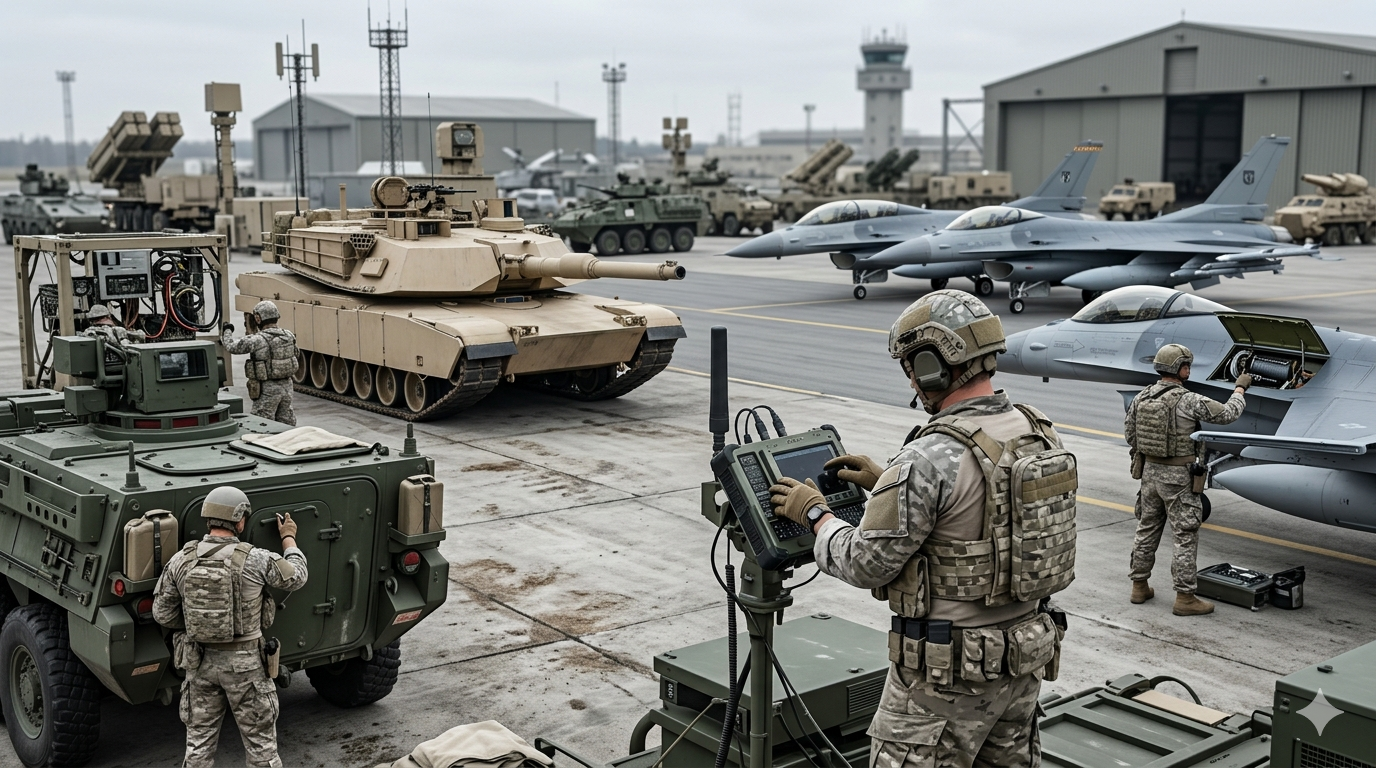
This segment operates at the intersection of engineering, tactical planning, systems integration, and regulatory compliance, making it a highly coordinated and policy-driven area within the aerospace and defense industry.
Scope of the Defense Systems Segment
This segment includes, but is not limited to:
Combat and tactical systems
Armored vehicles, fighter jets, naval vessels, missile systems, and artillery platforms.
Surveillance and reconnaissance systems
Radar, sonar, electronic warfare, satellite monitoring, and unmanned aerial vehicles (UAVs).
Command, control, and communication systems (C3)
Integrated communication networks, battlefield management software, and secure data transmission platforms.
Weapon and munition systems
Precision-guided munitions, small arms, ammunition, and advanced ordnance technologies.
Cyber and electronic defense systems
Cybersecurity platforms, electronic countermeasures, and defensive information systems.
Training and simulation systems
Virtual simulators, mission rehearsal platforms, and tactical training technologies.
Market Characteristics
The Defense Systems segment is defined by several structural characteristics:
-
Strong reliance on government procurement, defense budgets, and strategic policy frameworks
-
High complexity in technology integration across multiple platforms
-
Long development cycles and rigorous testing and certification requirements
-
Dependence on secure and resilient supply chains for sensitive materials and components
-
Interoperability requirements across allied forces and defense networks
-
Emphasis on operational reliability, survivability, and scalability
-
Demand influenced by geopolitical dynamics, national security priorities, and military modernization programs
Value Chain Perspective
The segment spans the full defense systems value chain:
-
Research & Development: Concept design, prototype development, and systems engineering
-
Manufacturing & Assembly: Component production, integration of platforms, and quality verification
-
Testing & Certification: Field trials, compliance with military standards, and operational validation
-
Deployment & Operations: Delivery to armed forces, platform commissioning, and mission deployment
-
Maintenance & Upgrades: Lifecycle support, retrofitting, and technology modernization
-
End-of-Life & Decommissioning: Safe disposal, recycling of materials, and replacement of obsolete systems
Each stage introduces operational, regulatory, and security considerations that shape capability, readiness, and effectiveness.
Strategic Importance Within Aerospace & Defense
Defense Systems play a critical role in national security by:
-
Enabling operational readiness and rapid response to military threats
-
Supporting strategic deterrence and territorial defense capabilities
-
Ensuring interoperability across allied forces and multi-domain operations
-
Driving technological innovation in aerospace, electronics, and materials science
-
Maintaining defense infrastructure and workforce capability
As global security environments evolve and threats become increasingly complex, this segment continues to expand in scope, requiring sustained investment, technology integration, and strategic coordination.