
Energy & Power / Market Segment
Bio-Fuels
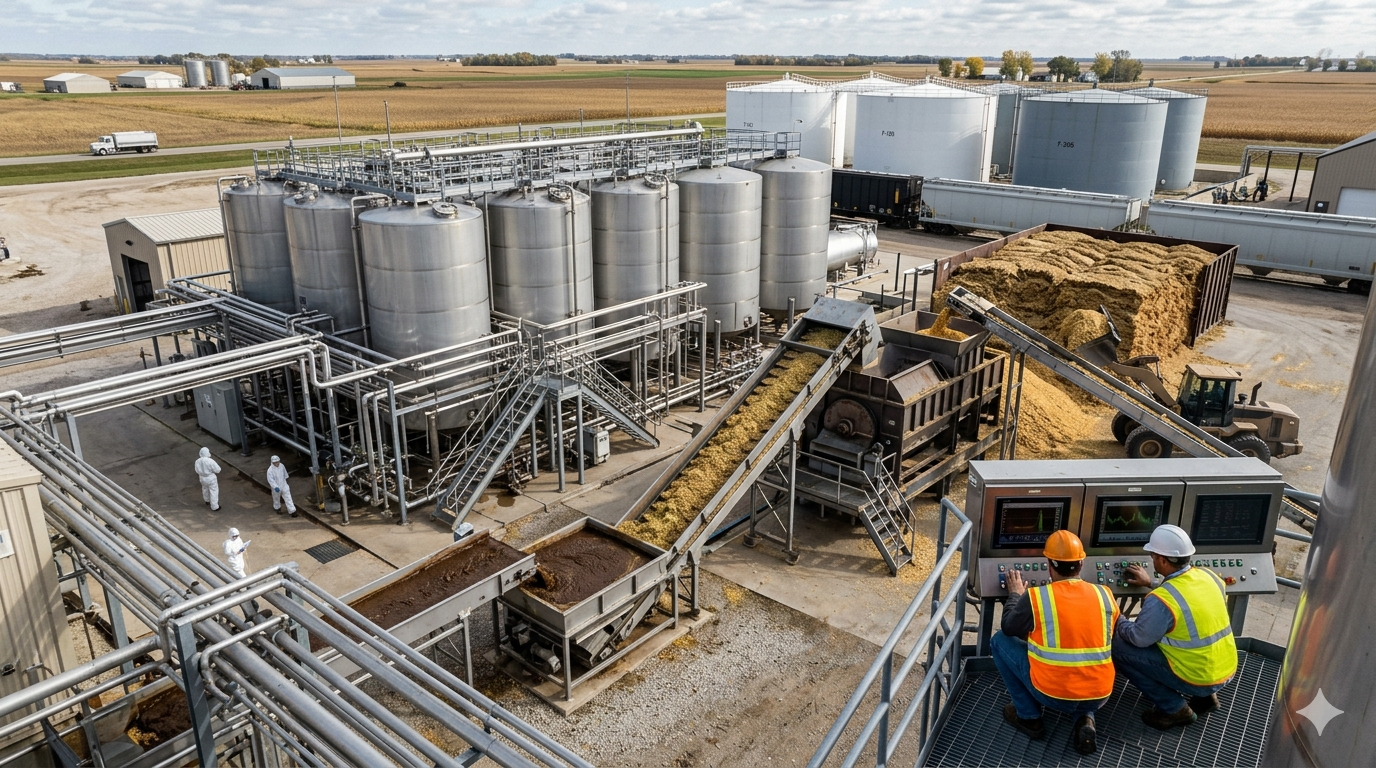
Segment Overview
The Biofuels segment covers the production, processing, and utilization of fuel derived from biological sources such as agricultural crops, organic waste, algae, and biomass residues. These fuels are used as alternatives or additives to conventional fossil fuels in transportation, power generation, and industrial energy systems.
This segment operates at the intersection of agricultural supply chains, biochemical engineering, energy production systems, and environmental sustainability frameworks, making it a key component of the transition toward lower-carbon energy solutions.
Scope of the Biofuels Segment
This segment includes, but is not limited to:
First-generation biofuels
Ethanol and biodiesel produced from food crops such as sugarcane, corn, soybeans, and vegetable oils.
Second-generation biofuels
Fuel derived from non-food biomass including agricultural residues, forestry waste, and lignocellulosic materials.
Advanced and synthetic biofuels
Bio-based aviation fuels (SAF), renewable diesel, and engineered bio-hydrocarbons.
Biogas and biomethane systems
Gas produced from anaerobic digestion of organic waste and used for heating, electricity, or transport fuel.
Biofuel feedstock production
Cultivation and sourcing of biomass materials used for fuel conversion.
Refining and conversion technologies
Fermentation, transesterification, gasification, and other biochemical conversion processes.
Market Characteristics
The Biofuels segment is defined by several structural characteristics:
- Strong dependence on agricultural output and biomass availability
- High sensitivity to feedstock pricing and land-use patterns
- Increasing alignment with renewable energy policies and carbon reduction targets
- Integration with existing fuel distribution and blending infrastructure
- Technological evolution toward advanced and waste-based biofuel production
- Variability in production efficiency based on regional agricultural conditions
- Strong policy and regulatory influence on adoption and scalability
Value Chain Overview
The segment spans the full biofuels value chain:
- Feedstock Production: Cultivation and collection of biomass resources
- Collection & Preprocessing: Storage, transport, and preparation of raw materials
- Conversion & Processing: Chemical and biological transformation into fuel products
- Refining & Blending: Upgrading and mixing with conventional fuels
- Distribution & Infrastructure: Transport through fuel networks and storage systems
- End-Use Consumption: Use in transportation, aviation, power generation, and industrial applications
Each stage requires coordination between agricultural systems, biochemical processes, and energy distribution networks.
Key Market Drivers
- Global shift toward renewable and low-carbon energy sources
- Government mandates for fuel blending and emissions reduction
- Rising demand for sustainable aviation fuel and renewable diesel
- Utilization of agricultural and organic waste streams
- Advancements in biochemical conversion and fermentation technologies
- Energy security and diversification of fuel supply sources
Strategic Importance within Renewable Energy & Alternative Fuels
Biofuels play a critical role in reducing dependency on fossil fuels by providing renewable alternatives compatible with existing energy infrastructure. They support decarbonization efforts across transportation, aviation, and industrial sectors.
Upstream, the segment drives demand for agricultural feedstocks, biomass supply chains, and waste management systems. Downstream, it supports fuel blending, transportation energy systems, and industrial energy transition initiatives.
As global energy systems evolve toward sustainability and carbon neutrality, the Biofuels segment remains essential for bridging traditional fuel infrastructure with renewable energy pathways.