
Information Technology (IT) & Software / Market Segment
Digital Payments
Segment Overview
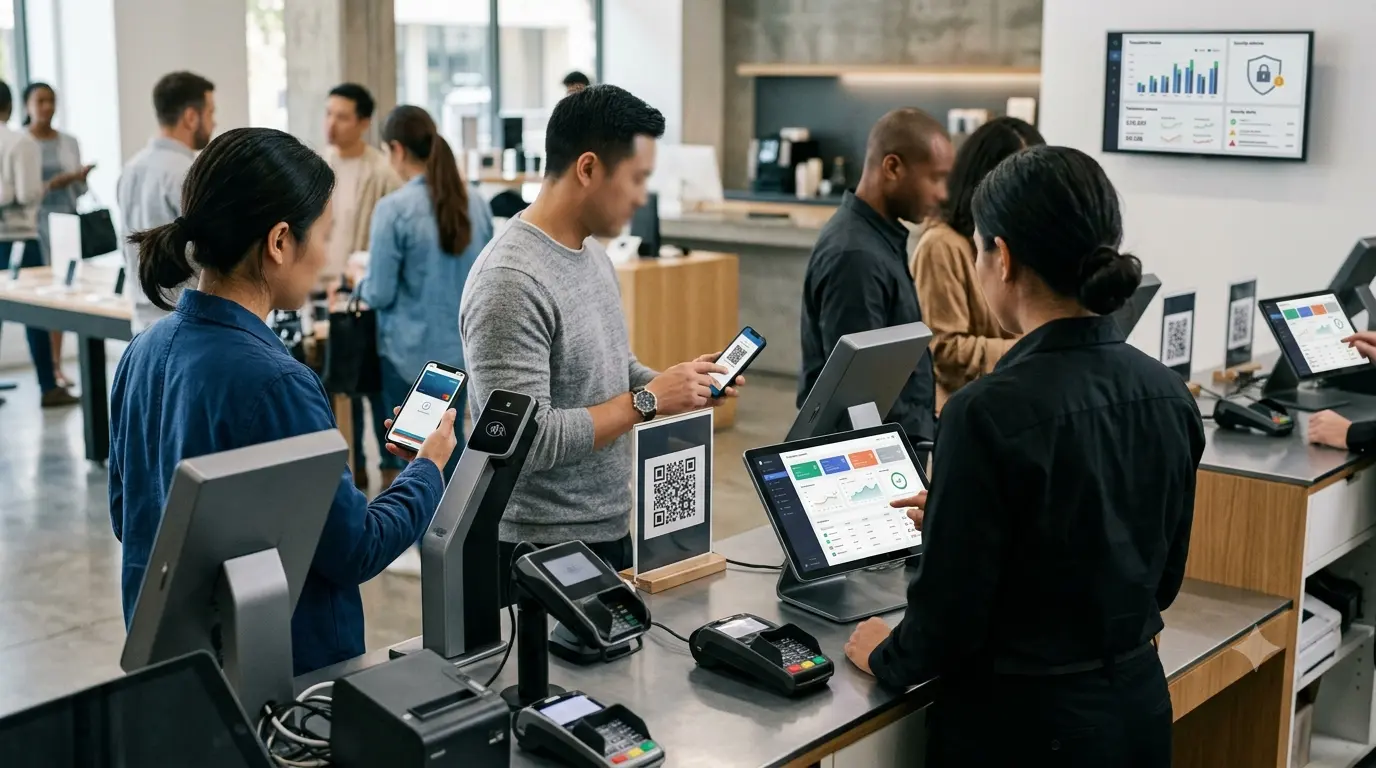
The Digital Payments segment covers the technologies, platforms, infrastructure, and financial services that enable electronic transactions between individuals, businesses, financial institutions, and governments. It includes mobile payments, online payment gateways, digital wallets, contactless payment systems, real-time payment networks, and embedded payment solutions that facilitate secure, fast, and convenient cashless transactions.
This segment operates at the intersection of financial services, information technology, cybersecurity, banking infrastructure, and telecommunications, making it a foundational pillar of the global digital economy.
Scope of the Digital Payments Segment
This segment includes, but is not limited to:
Digital Wallets
Mobile wallets, e-wallets, super apps, and stored-value payment platforms.
Online Payment Gateways
Payment processing platforms for e-commerce, digital marketplaces, and online merchants.
Mobile & Contactless Payments
NFC payments, QR code payments, mobile banking payments, and tap-to-pay technologies.
Real-Time Payment Systems
Instant payment networks, account-to-account (A2A) transfers, and real-time settlement platforms.
Merchant Payment Solutions
Point-of-sale (POS) terminals, payment acceptance systems, merchant acquiring services, and embedded payment technologies.
Cross-Border & Embedded Payments
International payment platforms, remittance solutions, embedded finance, and payment APIs.
Market Characteristics
The Digital Payments segment is defined by several structural characteristics:
- Rapid adoption driven by increasing smartphone and internet penetration
- Strong regulatory oversight focused on payment security, consumer protection, and financial compliance
- High dependence on secure digital infrastructure and cybersecurity technologies
- Continuous innovation in payment technologies, authentication methods, and user experience
- Growing integration with e-commerce, digital banking, and fintech ecosystems
- Increasing adoption of real-time payment networks and open banking frameworks
- Strong emphasis on fraud prevention, encryption, and transaction security
Value Chain Overview
The segment spans the full digital payments value chain:
- Payment Infrastructure Development: Payment networks, APIs, processing platforms, and financial technology infrastructure
- Transaction Processing: Authorization, clearing, settlement, and payment routing
- Merchant & Consumer Integration: Digital wallets, payment gateways, POS systems, and banking applications
- Security & Compliance: Identity verification, fraud detection, encryption, and regulatory compliance
- Payment Execution: Consumer-to-business (C2B), peer-to-peer (P2P), business-to-business (B2B), and cross-border transactions
- Analytics & Optimization: Transaction monitoring, customer insights, and payment performance optimization
Each stage ensures secure, efficient, and seamless digital financial transactions across the payment ecosystem.
Key Market Drivers
- Growing adoption of cashless transactions worldwide
- Expansion of e-commerce and digital marketplaces
- Rising smartphone usage and mobile banking adoption
- Government initiatives promoting digital financial inclusion
- Increasing demand for real-time and contactless payment solutions
- Advancements in fintech, open banking, AI, and payment security technologies
Strategic Importance within Financial Technology (FinTech)
Digital Payments play a central role in enabling modern commerce by supporting secure, fast, and convenient financial transactions across consumer, business, and government ecosystems. The segment is a key driver of financial inclusion, economic digitization, and digital commerce growth.
Upstream, the segment drives demand for banking infrastructure, cloud computing, cybersecurity, payment processing technologies, and telecommunications networks. Downstream, it supports retail, e-commerce, banking, healthcare, transportation, hospitality, and public sector payment ecosystems.
As global economies continue to transition toward digital commerce and embedded financial services, the Digital Payments segment remains essential for improving transaction efficiency, expanding financial access, and accelerating the evolution of the digital economy.