
Information Technology (IT) & Software / Market Segment
Media System
Segment Overview
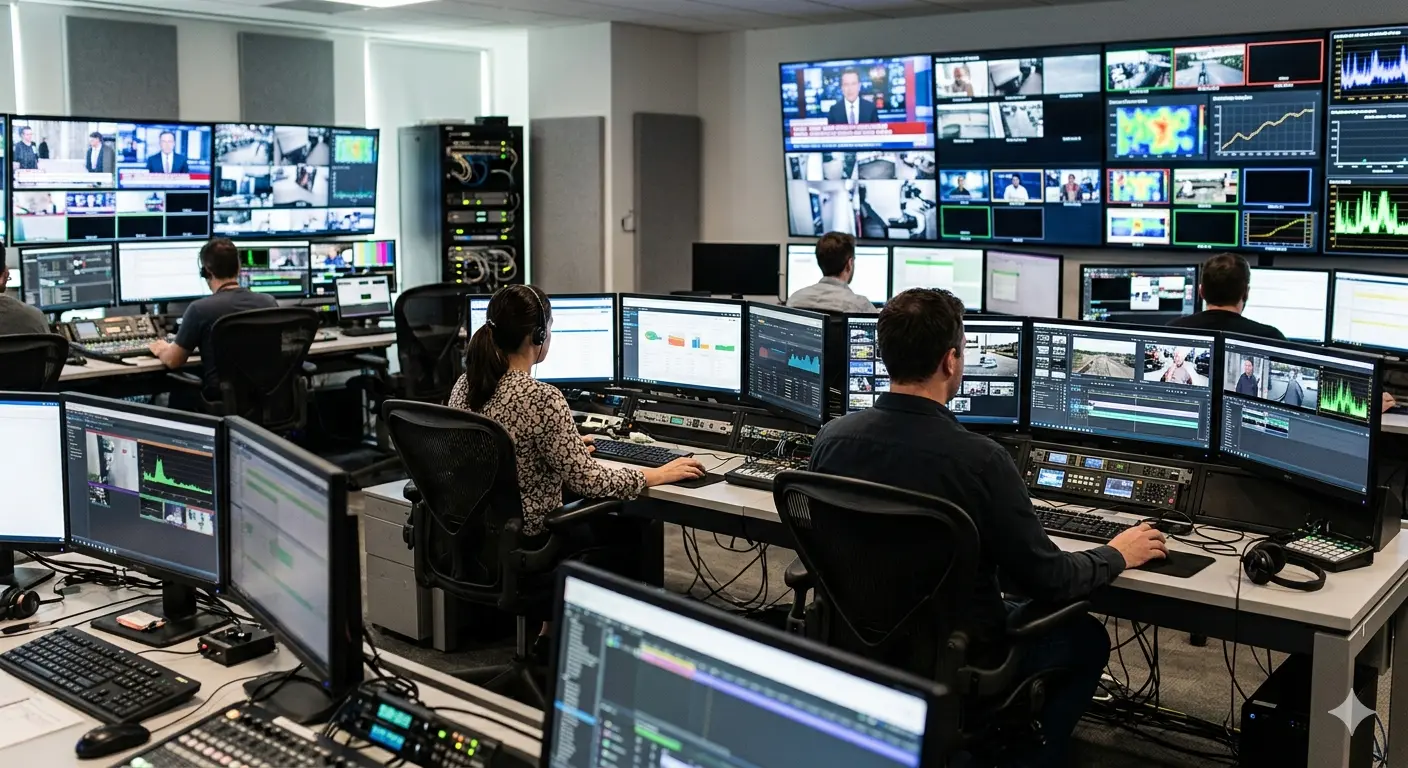
The Media System segment covers the technologies, platforms, infrastructure, and services used for the creation, management, distribution, transmission, and consumption of audio, video, digital, and multimedia content. It includes broadcasting systems, streaming platforms, content management solutions, digital publishing technologies, and media delivery networks that enable information and entertainment distribution across multiple channels.
This segment operates at the intersection of content production, digital technology, communication networks, and audience engagement, making it a fundamental component of the modern information and entertainment ecosystem.
Scope of the Media System Segment
This segment includes, but is not limited to:
Broadcasting systems
Television broadcasting, radio transmission, satellite broadcasting, and content delivery infrastructure.
Digital media platforms
Video streaming services, audio streaming platforms, digital content distribution networks, and OTT services.
Content management systems (CMS)
Media asset management, content publishing platforms, workflow automation, and digital content organization solutions.
Production and editing technologies
Video production systems, editing software, audio processing tools, and media creation technologies.
Media transmission and distribution infrastructure
Content delivery networks (CDNs), broadcasting equipment, cloud media platforms, and network distribution systems.
Advertising and audience analytics platforms
Digital advertising technologies, audience measurement tools, engagement analytics, and media intelligence systems.
Market Characteristics
The Media System segment is defined by several structural characteristics:
- Rapid transition from traditional broadcasting to digital media consumption
- Strong dependence on internet connectivity and digital infrastructure
- High content production and distribution requirements
- Increasing adoption of cloud-based media workflows and streaming technologies
- Growing importance of audience analytics and personalized content delivery
- Continuous innovation in content formats, platforms, and user experiences
- Strong integration of AI, automation, and data-driven media operations
Value Chain Overview
The segment spans the full media system value chain:
Content Creation: Production of audio, video, news, entertainment, and multimedia content
Content Management: Storage, organization, editing, and workflow management
Distribution & Transmission: Broadcasting, streaming, and content delivery across networks
Audience Access & Consumption: Delivery through televisions, smartphones, computers, and connected devices
Advertising & Monetization: Revenue generation through subscriptions, advertising, sponsorships, and licensing
Analytics & Optimization: Audience measurement, engagement tracking, and content performance analysis
Each stage contributes to efficient content delivery, audience engagement, and media monetization.
Key Market Drivers
- Growth of digital media consumption and streaming services
- Expansion of high-speed internet and mobile connectivity
- Rising demand for on-demand and personalized content
- Increasing adoption of cloud-based media infrastructure
- Growth in digital advertising and audience analytics
- Advancements in AI-powered content creation and distribution technologies
Strategic Importance within Media, Entertainment & Digital Communications
Media Systems play a critical role in enabling information dissemination, entertainment delivery, advertising, and digital communication across global audiences. They serve as the technological backbone supporting content ecosystems and audience engagement strategies.
Upstream, the segment drives demand for content production technologies, broadcasting equipment, cloud infrastructure, and communication networks. Downstream, it supports entertainment services, news organizations, advertising agencies, streaming platforms, and digital publishers.
As media consumption continues to shift toward digital and connected platforms, the Media System segment remains essential for content distribution, audience engagement, and the evolution of global communication networks.