
Automotive & Transportation / Market Segment
Electric Vehicle (EV)
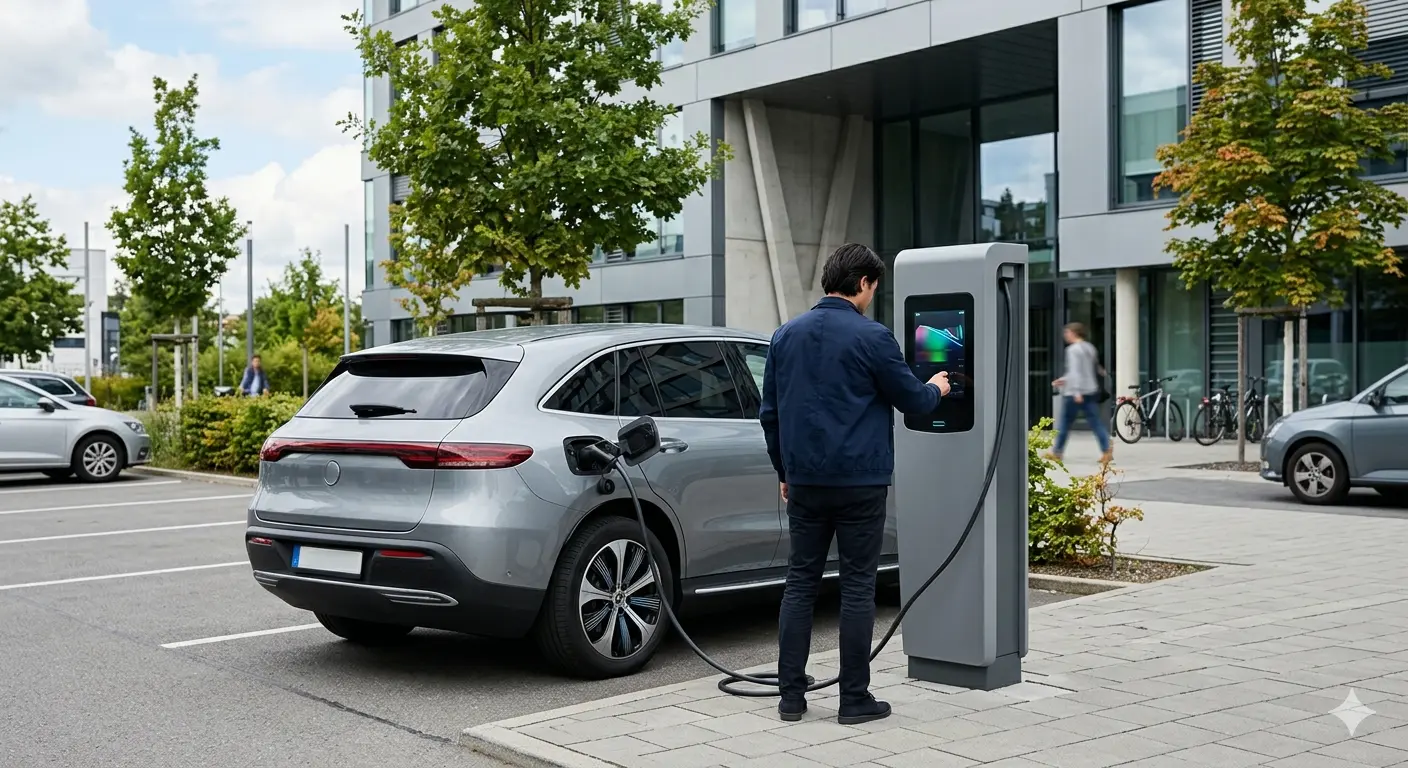
Segment Overview
The Electric Vehicle (EV) segment covers the design, manufacturing, deployment, and operation of vehicles powered wholly or partially by electric propulsion systems. It includes battery electric vehicles (BEVs), plug-in hybrid electric vehicles (PHEVs), hybrid electric vehicles (HEVs), and the supporting ecosystem of batteries, charging infrastructure, power electronics, and energy management systems.
This segment operates at the intersection of automotive engineering, battery technology, power electronics, software systems, and sustainable transportation, making it one of the fastest-evolving areas within the global mobility industry.
Scope of the Electric Vehicle (EV) Segment
This segment includes, but is not limited to:
Battery electric vehicles (BEVs)
Fully electric passenger cars, commercial vehicles, buses, and two-wheelers powered exclusively by battery systems.
Plug-in hybrid and hybrid vehicles
Vehicles combining electric propulsion with internal combustion engines for enhanced efficiency and range.
EV battery systems
Lithium-ion batteries, battery packs, battery management systems (BMS), and next-generation energy storage technologies.
Charging infrastructure
Residential chargers, public charging stations, fast-charging networks, and smart charging solutions.
Power electronics and drivetrain systems
Electric motors, inverters, converters, controllers, and energy management systems.
Connected and software-defined EV technologies
Vehicle connectivity platforms, over-the-air (OTA) updates, telematics, and intelligent vehicle software systems.
Market Characteristics
The Electric Vehicle (EV) segment is defined by several structural characteristics:
- Rapid technological innovation in batteries and vehicle electronics
- Strong influence of government incentives, regulations, and emissions policies
- High capital investment requirements for manufacturing and charging infrastructure
- Growing integration of software, connectivity, and autonomous driving technologies
- Dependence on battery raw materials and global supply chains
- Continuous improvements in vehicle range, charging speed, and energy efficiency
- Increasing focus on sustainability and transportation decarbonization
Value Chain Overview
The segment spans the full electric vehicle value chain:
Research & Development: Vehicle engineering, battery innovation, and software development
Component Manufacturing: Production of batteries, motors, semiconductors, and power electronics
Vehicle Assembly: Integration of EV systems and final vehicle manufacturing
Charging Infrastructure Deployment: Installation and operation of charging networks
Sales & Distribution: Vehicle delivery through dealerships, fleet channels, and direct sales models
Lifecycle Management: Maintenance, battery servicing, recycling, and second-life energy applications
Each stage requires coordination across automotive manufacturers, battery suppliers, technology providers, utilities, and infrastructure developers.
Key Market Drivers
- Global efforts to reduce carbon emissions and improve air quality
- Government incentives, subsidies, and zero-emission vehicle mandates
- Advancements in battery performance and cost reduction
- Expansion of charging infrastructure networks
- Rising consumer demand for sustainable transportation
- Increasing adoption of connected and intelligent vehicle technologies
Strategic Importance within Automotive & Transportation
Electric Vehicles play a critical role in transforming the transportation sector by reducing dependence on fossil fuels and supporting long-term sustainability goals. They represent a major shift toward cleaner, more efficient, and digitally connected mobility solutions.
Upstream, the segment drives demand for batteries, semiconductors, critical minerals, and charging technologies. Downstream, it supports passenger mobility, commercial transportation, fleet electrification, and smart transportation ecosystems.
As governments, businesses, and consumers accelerate the transition toward low-emission mobility, the Electric Vehicle (EV) segment remains essential for the future of transportation, energy transition, and sustainable economic development.