
Energy & Power / Market Segment
Power
Segment Overview
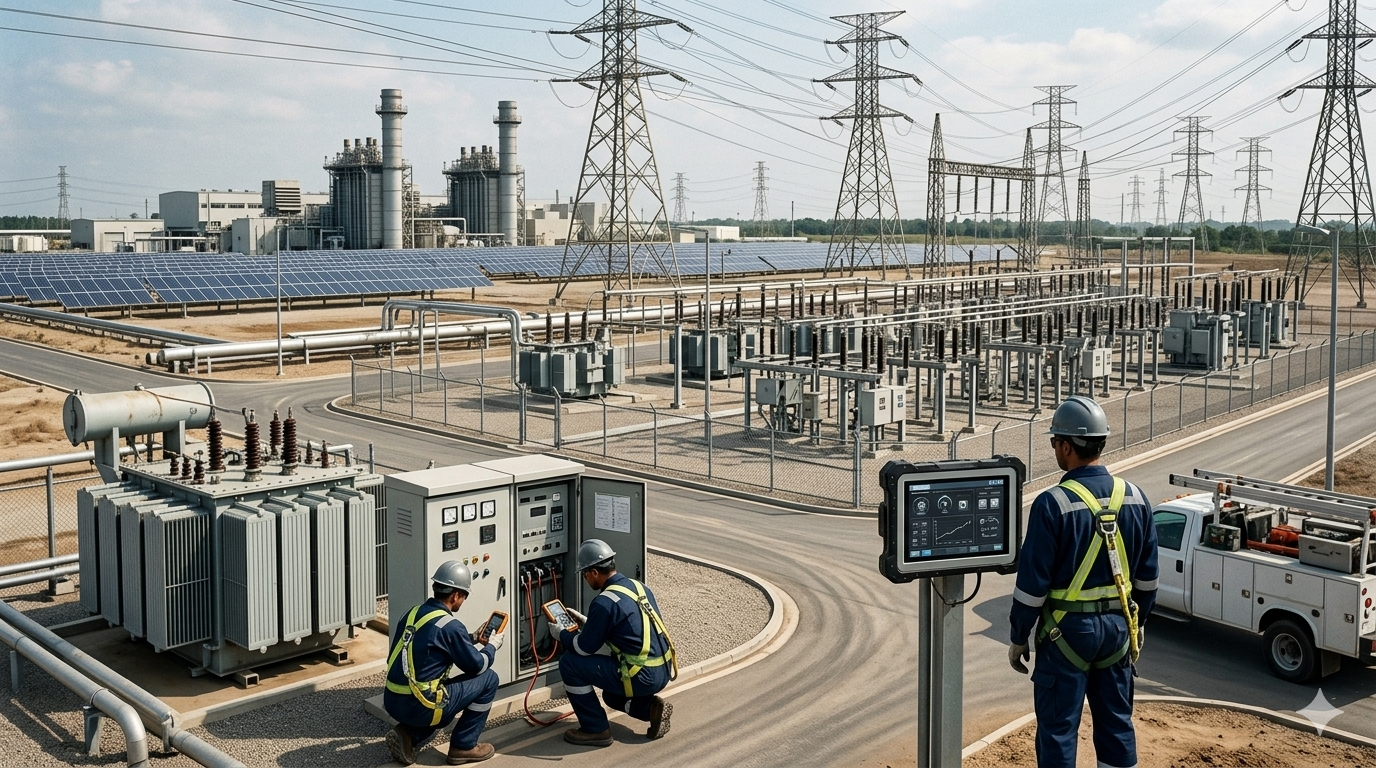
The Power segment covers the generation, transmission, distribution, and management of electrical energy used across residential, commercial, industrial, and infrastructure applications. It includes conventional and renewable power generation systems, grid infrastructure, energy storage technologies, and electricity management solutions that support modern economies and critical infrastructure operations.
This segment operates at the intersection of energy production, electrical engineering, utility infrastructure, and digital grid management, making it a foundational component of the global energy industry.
Scope of the Power Segment
This segment includes, but is not limited to:
Power generation systems
Thermal, hydroelectric, nuclear, solar, wind, and other renewable energy generation facilities.
Transmission infrastructure
High-voltage transmission lines, substations, transformers, and grid interconnection systems.
Power distribution networks
Distribution lines, local substations, and electricity delivery systems for end users.
Smart grid and digital power systems
Grid automation, energy monitoring, advanced metering infrastructure, and digital control systems.
Energy storage systems
Battery storage, grid-scale storage solutions, and backup power infrastructure.
Industrial and backup power solutions
Generators, uninterruptible power supply (UPS) systems, and distributed energy resources.
Market Characteristics
The Power segment is defined by several structural characteristics:
- Capital-intensive infrastructure development and long asset lifecycles
- Strong regulatory oversight and utility governance frameworks
- Continuous demand driven by residential, industrial, and commercial electricity consumption
- Increasing integration of renewable energy into grid systems
- Dependence on transmission reliability and grid stability
- High focus on operational efficiency, energy security, and system resilience
- Growing adoption of digital monitoring and grid automation technologies
Value Chain Overview
The segment spans the full power industry value chain:
- Energy Resource Extraction & Supply: Procurement of fuel sources or renewable energy inputs
- Power Generation: Conversion of energy resources into electrical power
- Transmission: High-voltage transport of electricity across regional and national grids
- Distribution: Delivery of electricity to homes, businesses, and industrial facilities
- Consumption & Energy Management: End-user utilization, monitoring, and optimization
- Maintenance & Grid Modernization: Infrastructure upgrades, equipment servicing, and digital integration
Each stage requires coordinated infrastructure management, operational reliability, and regulatory compliance.
Key Market Drivers
- Rising global electricity demand from urbanization and industrialization
- Expansion of renewable energy generation capacity
- Modernization of aging power grid infrastructure
- Increasing electrification across transportation and industrial sectors
- Growth in smart grid and energy storage technologies
- Government policies supporting energy security and sustainability initiatives
Strategic Importance within Energy & Utilities
The Power segment serves as the backbone of modern economic and industrial activity by enabling continuous electricity supply for critical infrastructure, manufacturing, transportation, communication systems, and residential use.
Upstream, it drives demand for fuel resources, renewable technologies, and electrical equipment manufacturing. Downstream, it supports digital economies, industrial operations, healthcare systems, transportation networks, and urban infrastructure.
As global energy systems transition toward more diversified and digitally connected electricity networks, the Power segment remains central to energy security, infrastructure resilience, and long-term economic development.