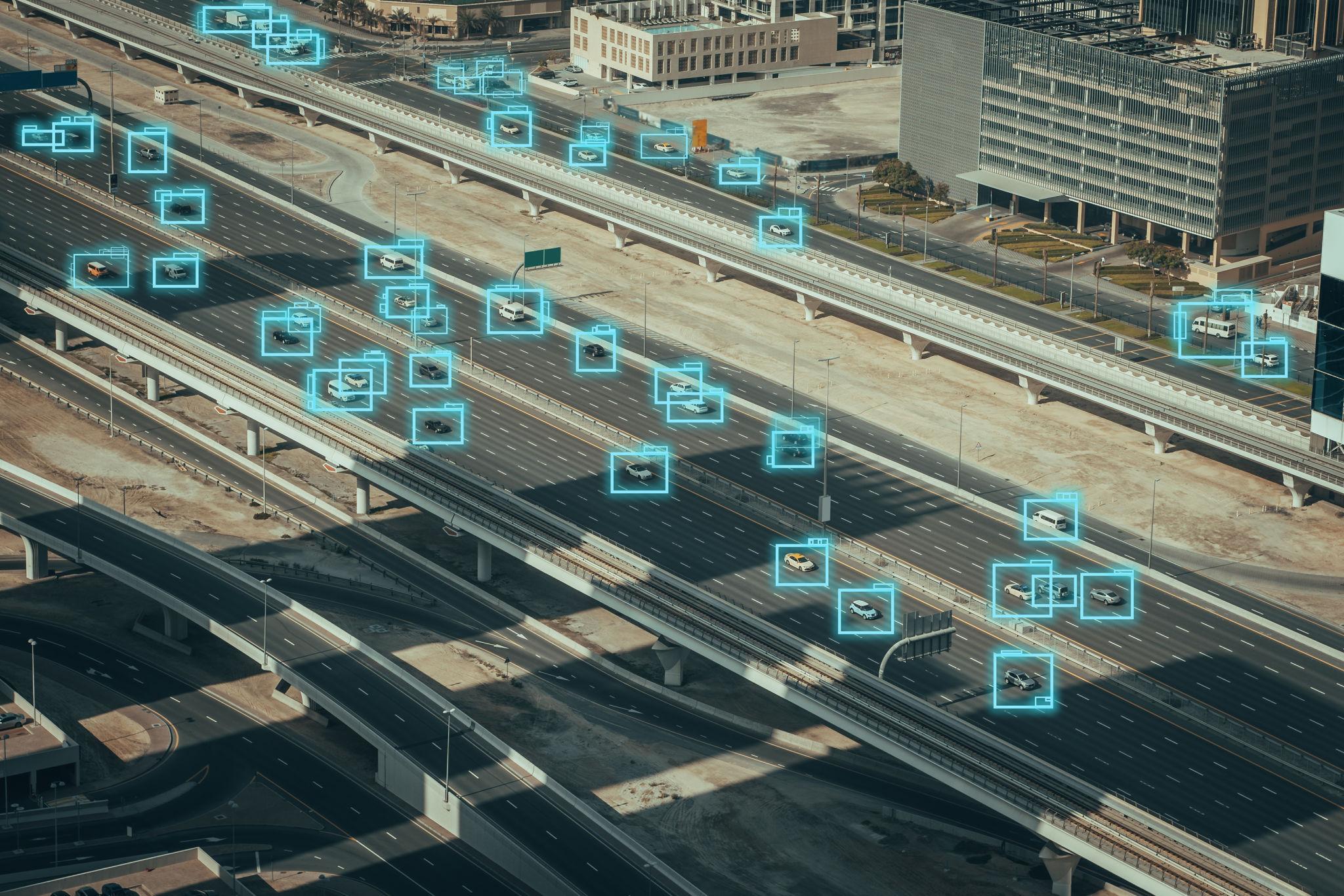

Automotive & Transportation / Market Segment
Connected & Intelligent Mobility Systems
Connected & Intelligent Mobility Systems – Segment Overview
The Connected & Intelligent Mobility Systems segment represents a transformative layer within the broader mobility and transportation ecosystem, integrating advanced digital technologies to enable real-time communication, automation, and data-driven decision-making across vehicles, infrastructure, and users. This segment is rapidly evolving as transportation shifts from isolated mechanical systems to interconnected, software-defined mobility networks.
At its core, connected mobility leverages technologies such as Internet of Things (IoT), artificial intelligence (AI), cloud computing, telematics, and 5G connectivity to create a seamless flow of information between vehicles (V2V), infrastructure (V2I), and broader networks (V2X). These systems enhance situational awareness, optimize traffic flow, improve safety, and enable predictive and autonomous functionalities.
Key Components of the Segment
1. Vehicle Connectivity & Telematics
Connected vehicles are equipped with embedded sensors, communication modules, and onboard diagnostics systems that continuously transmit and receive data. Telematics platforms enable fleet operators and individual users to monitor vehicle performance, location, fuel efficiency, and driver behavior in real time.
2. Intelligent Transportation Systems (ITS)
ITS integrates traffic management platforms, smart signaling systems, and real-time analytics to improve urban mobility. These systems reduce congestion, enhance road safety, and optimize infrastructure utilization in smart city environments.
3. Autonomous & Assisted Driving Technologies
Advanced driver-assistance systems (ADAS) and autonomous driving technologies rely on sensor fusion (LiDAR, radar, cameras) and AI algorithms to enable features such as lane keeping, adaptive cruise control, and collision avoidance.
4. Mobility Data Platforms & Analytics
Cloud-based platforms aggregate vast volumes of mobility data, enabling predictive analytics, route optimization, demand forecasting, and mobility-as-a-service (MaaS) solutions.
5. V2X Communication Ecosystem
Vehicle-to-everything (V2X) communication allows vehicles to interact with other vehicles, pedestrians, road infrastructure, and networks, forming the backbone of intelligent mobility systems.
Market Drivers
- Urbanization & Smart City Development: Increasing urban congestion is driving demand for intelligent traffic and mobility solutions.
- Regulatory Push for Safety: Governments worldwide are mandating advanced safety features and connectivity standards.
- Fleet Optimization Needs: Logistics and transportation companies are investing in connected systems to improve efficiency and reduce operational costs.
- Advancements in Connectivity (5G): High-speed, low-latency networks are enabling real-time data exchange and autonomous capabilities.
- Rise of Electric & Software-Defined Vehicles: Integration of connectivity as a core vehicle feature is accelerating adoption.
Key Benefits
- Enhanced Road Safety: Real-time alerts and predictive systems reduce accidents.
- Operational Efficiency: Optimized routing, fuel usage, and maintenance scheduling.
- Reduced Congestion & Emissions: Smarter traffic management and eco-driving insights.
- Improved User Experience: Personalized, seamless, and integrated mobility services.
- Data-Driven Decision Making: Actionable insights for fleet operators, city planners, and policymakers.
Challenges & Constraints
- Cybersecurity Risks: Increased connectivity expands vulnerability to cyber threats.
- High Implementation Costs: Infrastructure upgrades and system integration require significant investment.
- Data Privacy Concerns: Handling sensitive mobility and user data requires robust governance frameworks.
- Interoperability Issues: Lack of standardized protocols across regions and platforms.
- Regulatory Complexity: Varying global regulations can slow deployment and scaling.
Future Outlook
The Connected & Intelligent Mobility Systems segment is expected to evolve into a fully integrated mobility ecosystem, where vehicles, infrastructure, and users operate within a unified digital framework. The convergence of AI, edge computing, digital twins, and next-generation connectivity will accelerate the transition toward autonomous, sustainable, and highly efficient transportation systems.
In the long term, this segment will serve as the foundation for Mobility-as-a-Service (MaaS) models, enabling seamless multimodal transportation experiences while reshaping how people and goods move across urban and intercity environments.