
Agriculture & Agritech / Market Segment
Seeds
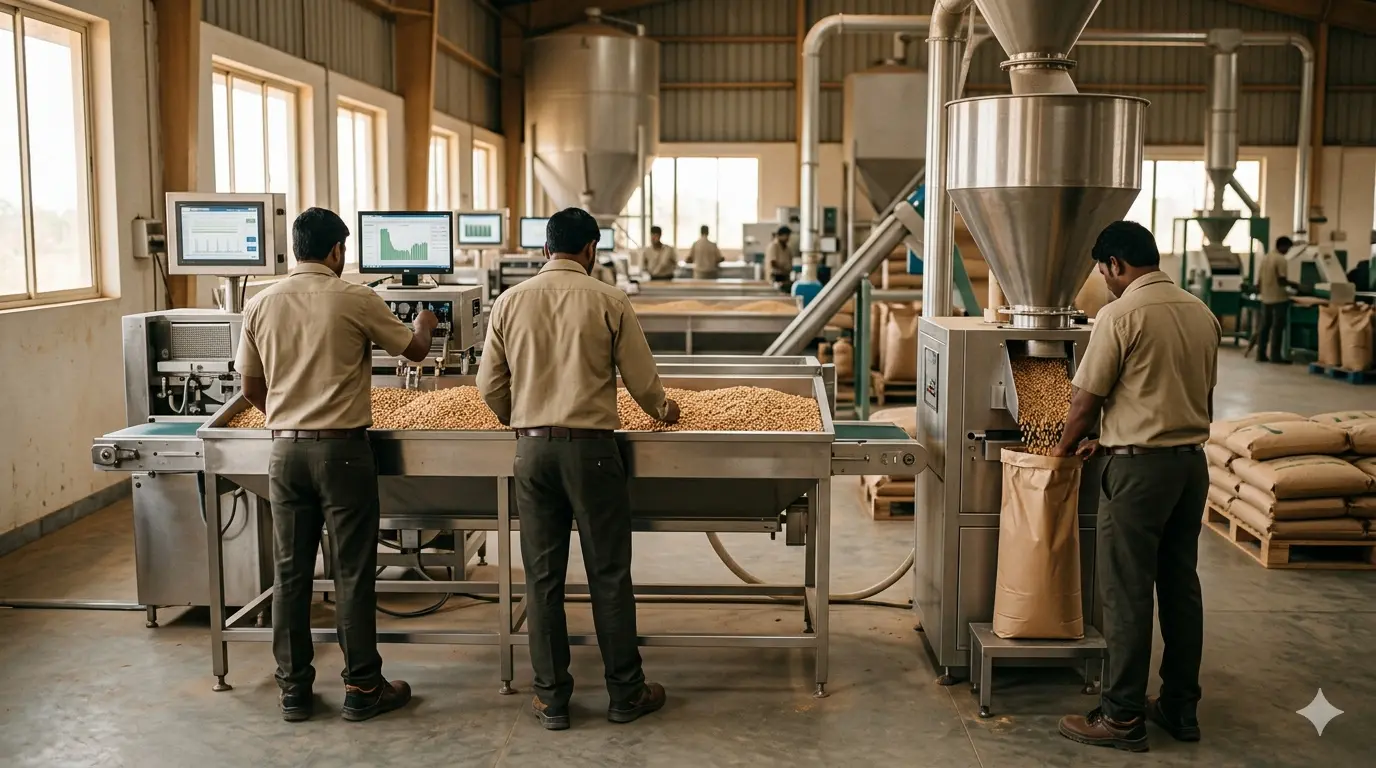
Segment Overview
The Seeds segment covers the development, production, processing, distribution, and commercialization of seeds used for agricultural crop cultivation. It includes hybrid seeds, genetically improved varieties, open-pollinated seeds, and high-performance seed technologies designed to improve crop yield, resistance, and adaptability.
This segment operates at the intersection of plant genetics, agricultural biotechnology, agronomy, and food production systems, making it a foundational input category for global agriculture and food security.
Scope of the Seeds Segment
This segment includes, but is not limited to:
Field crop seeds
Seeds for cereals, grains, pulses, and oilseeds such as wheat, rice, maize, soybean, and cotton.
Vegetable and fruit seeds
Seeds used in horticulture, including tomatoes, onions, leafy vegetables, and fruit-bearing plants.
Hybrid and genetically improved seeds
High-yield, disease-resistant, and climate-resilient seed varieties developed through breeding technologies.
Open-pollinated and traditional seeds
Non-hybrid seeds used in conventional and sustainable farming systems.
Treated and coated seeds
Seeds enhanced with nutrients, pesticides, or protective coatings to improve germination and crop protection.
Seed breeding and biotechnology
Research and development of new seed varieties using genetic, molecular, and hybridization techniques.
Market Characteristics
The Seeds segment is defined by several structural characteristics:
- High dependence on agricultural cycles and climatic conditions
- Strong influence of biotechnology and genetic research advancements
- Significant regulatory oversight related to seed certification and GM approvals
- Seasonal demand patterns aligned with crop planting cycles
- Continuous innovation in yield improvement and stress resistance traits
- Increasing adoption of hybrid and climate-resilient seed varieties
- Strong intellectual property protection and R&D-driven competition
Value Chain Overview
The segment spans the full seeds value chain:
- Research & Breeding: Genetic research, hybridization, and trait development
- Seed Production: Cultivation of parent lines and seed multiplication
- Processing & Conditioning: Cleaning, grading, treating, and packaging seeds
- Certification & Quality Testing: Germination testing, purity analysis, and regulatory approval
- Distribution & Sales: Supply through agro-dealers, cooperatives, and agribusiness channels
- Farm-Level Adoption: Planting, cultivation, and crop production by farmers
Each stage ensures genetic quality, productivity performance, and agricultural reliability.
Key Market Drivers
- Growing global food demand and population growth
- Increasing need for higher crop productivity and yield efficiency
- Climate change driving demand for resilient seed varieties
- Expansion of commercial agriculture and agribusiness models
- Advancements in agricultural biotechnology and plant breeding
- Rising adoption of hybrid and high-performance seed technologies
Strategic Importance within Agriculture & Crop Inputs
Seeds represent the primary input in agricultural production and directly determine crop yield, quality, and resilience. They form the starting point of the food supply chain and play a critical role in global food security.
Upstream, the segment drives demand for biotechnology research, agricultural chemicals, and breeding technologies. Downstream, it supports crop production, food processing, livestock feed industries, and global food supply chains.
As agriculture becomes more technology-driven and climate-resilient, the Seeds segment remains essential for productivity enhancement, sustainability, and long-term food system stability.