
Food & Beverages / Market Segment
Packaged & Convenience Foods
1. Segment Overview
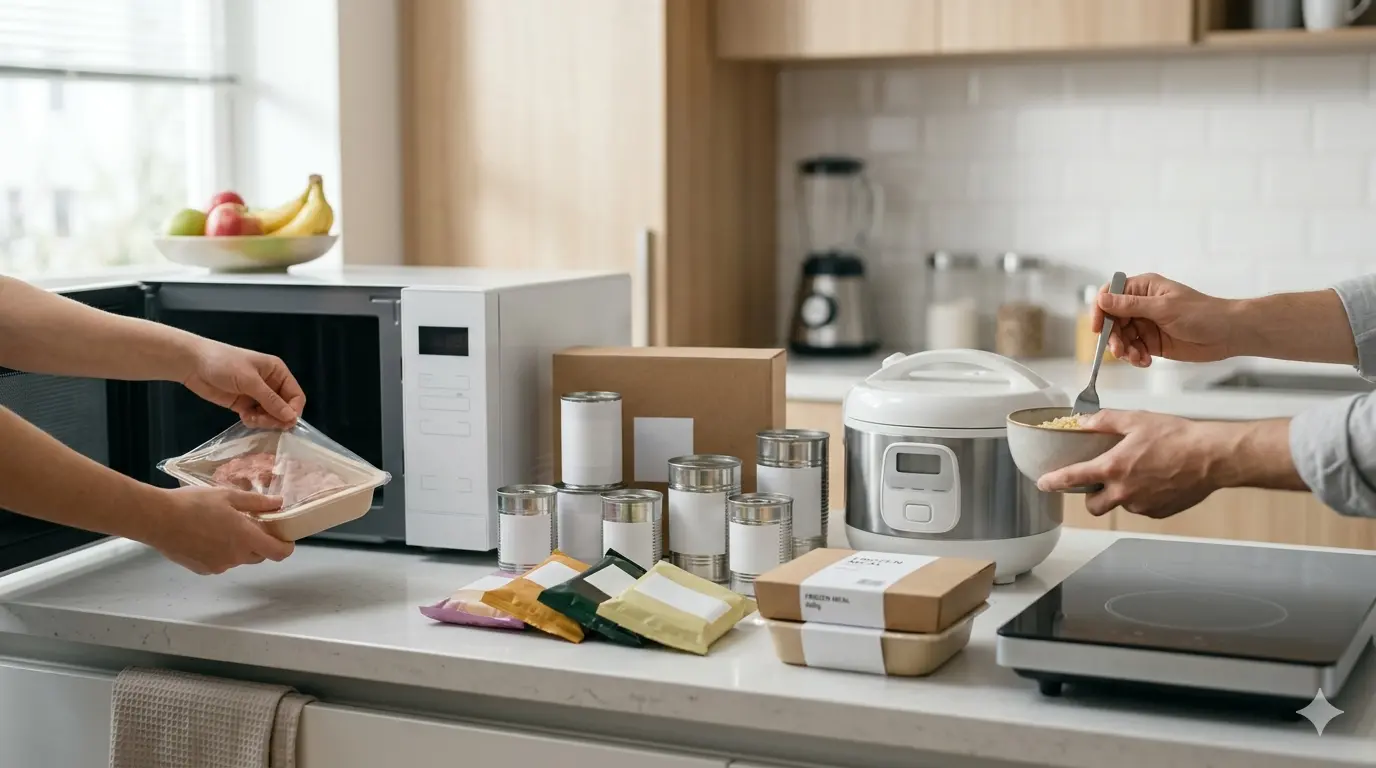
The Packaged & Convenience Foods segment comprises processed and pre-prepared food products designed for ease of storage, preparation, and consumption. Within the Food & Beverages industry, this segment functions as a time-efficiency and accessibility layer, enabling consumers to reduce cooking effort while maintaining consistent food availability.
The segment exists to provide ready-to-eat, ready-to-cook, or minimally prepared food options that align with modern consumption patterns. It integrates food processing, preservation technologies, and packaging systems to extend shelf life and ensure product safety across distribution channels.
2. Structural Scope of the Segment
-
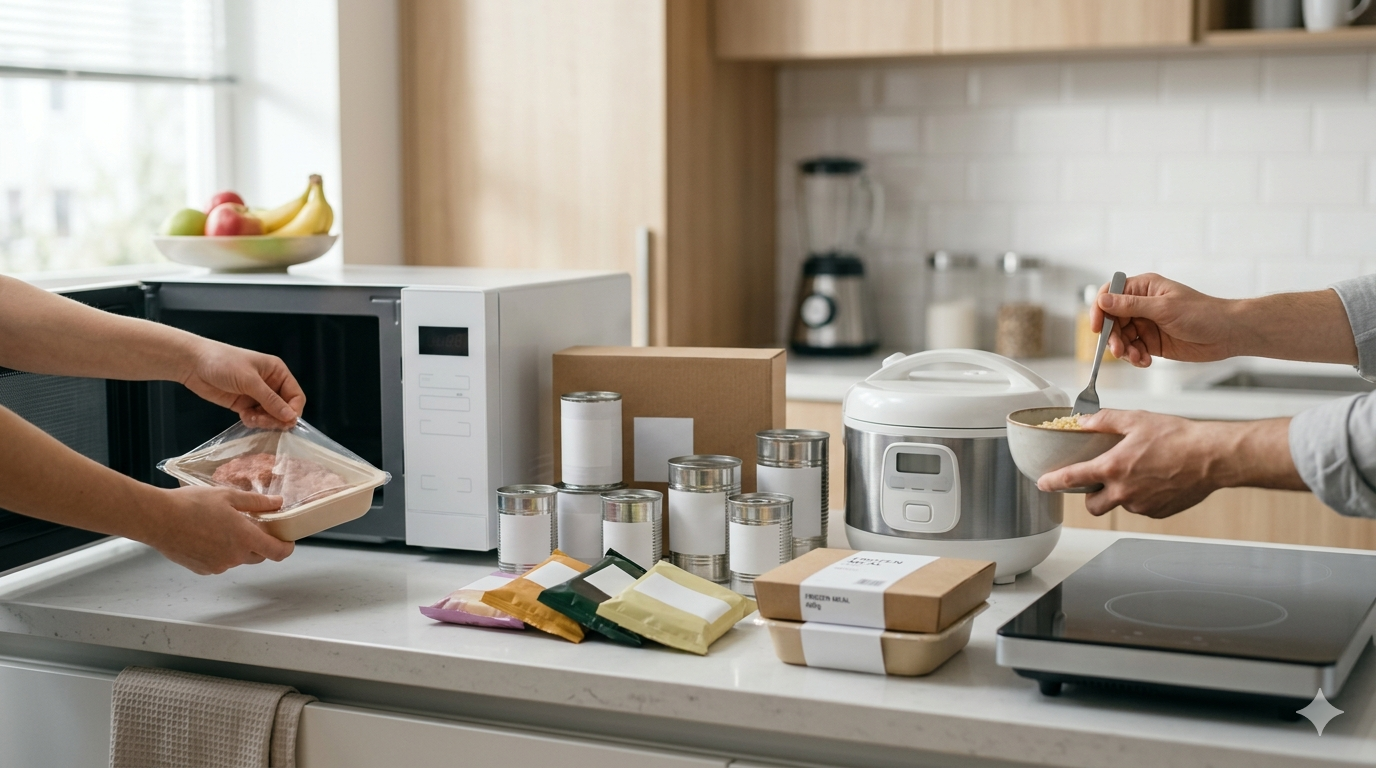
Ready-to-eat meals and prepared foods
Packaged & Convenience Foods -
Ready-to-cook and semi-prepared meal kits
-
Frozen food products
-
Canned and shelf-stable foods
-
Instant foods (noodles, soups, mixes)
-
Packaged staples and meal components
-
Refrigerated convenience foods
-
Microwaveable and heat-and-serve products
3. Core Market Characteristics
-
High reliance on packaging and preservation technologies for shelf stability
-
Demand driven by convenience, time constraints, and urban consumption patterns
-
Product standardization to ensure consistency in taste, quality, and safety
-
Strong regulatory oversight for food safety, labeling, and shelf-life compliance
-
Continuous innovation in packaging formats and preparation methods
-
Broad distribution through retail, e-commerce, and foodservice channels
-
Sensitivity to raw material costs, storage conditions, and logistics efficiency
4. Value Chain Overview
-
Inputs: Agricultural ingredients, processed food components, preservatives, packaging materials
-
Processing & Manufacturing: Cooking, freezing, canning, dehydration, packaging, and quality control
-
Distribution: Cold chain and ambient logistics, retail networks, and digital commerce platforms
-
Use Phase: Consumer preparation through heating, cooking, or direct consumption
-
End-of-Life: Packaging disposal, recycling, and management of expired products
5. Key Market Drivers
-
Increasing demand for time-saving food solutions
-
Urbanization and changing consumer lifestyles
-
Expansion of modern retail and cold-chain infrastructure
-
Advances in food preservation and packaging technologies
-
Growth of single-serve and portion-controlled formats
-
Rising adoption of ready-to-eat and ready-to-cook food options
6. Strategic Importance within Parent Industry
Packaged & Convenience Foods play a central role in the Food & Beverages industry by enabling large-scale food distribution and consistent product availability. Upstream, the segment drives demand for processed ingredients, preservatives, and packaging materials. Downstream, it supports retail expansion, e-commerce growth, and foodservice operations.
The segment is strategically important as it enhances food accessibility, supports supply chain efficiency, and aligns with evolving consumer preferences for convenience and standardized consumption.