
Mining & Metals / Market Segment
Mining
Segment Overview
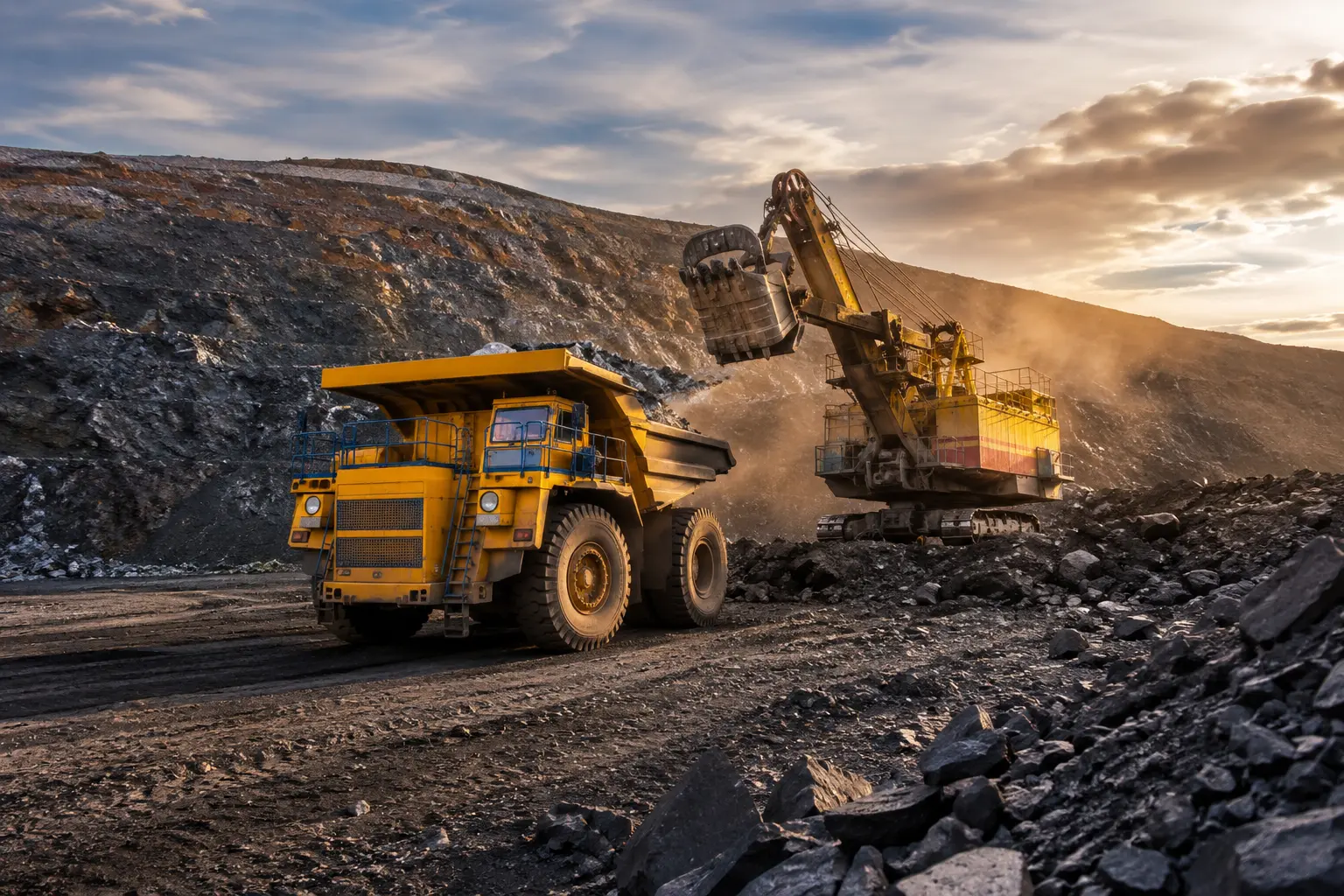
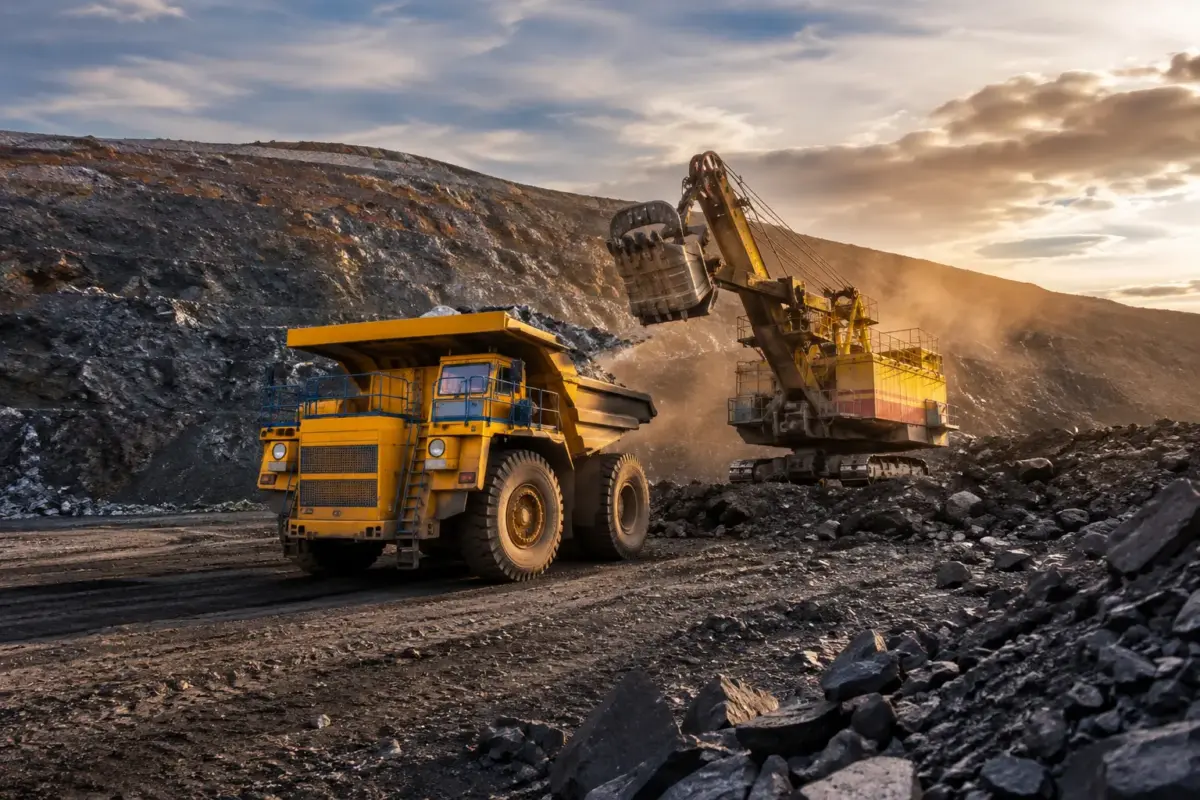
The Mining segment encompasses the exploration, extraction, processing, and commercialization of mineral resources from the earth. It includes the production of metallic minerals, industrial minerals, precious metals, rare earth elements, and critical minerals that serve as essential raw materials for manufacturing, energy generation, infrastructure development, transportation, and advanced technologies.
This segment operates at the intersection of geology, mineral exploration, mining engineering, resource management, mineral processing, and environmental stewardship, making it one of the most fundamental sectors supporting industrial growth, global supply chains, and economic development.
Scope of the Mining Segment
This segment includes, but is not limited to:
Metal mining
Extraction of base metals such as copper, aluminum, nickel, zinc, lead, and iron ore for industrial and manufacturing applications.
Precious metal mining
Production of gold, silver, platinum, palladium, and other high-value metals used in investment, jewelry, electronics, and industrial applications.
Critical minerals and rare earth mining
Extraction of cobalt, lithium, graphite, rare earth elements, manganese, and other strategic minerals supporting electric vehicles, batteries, renewable energy, and advanced technologies.
Industrial mineral mining
Production of limestone, gypsum, phosphate, potash, silica, kaolin, salt, and other minerals used in construction, agriculture, chemicals, and manufacturing.
Coal and mineral fuel extraction
Mining of thermal coal, metallurgical coal, and other mineral-based energy resources supporting power generation and steel production.
Mining support and contract services
Exploration services, drilling, blasting, mine development, equipment leasing, engineering consulting, environmental management, and operational support.
Market Characteristics
The Mining segment is defined by several structural characteristics:
- High capital investment requirements and long project development timelines
- Resource availability determined by geological deposits and exploration success
- Significant regulatory, environmental, and permitting requirements
- Strong exposure to global commodity price fluctuations and market cycles
- Increasing adoption of automation, digital mining technologies, and artificial intelligence
- Growing emphasis on sustainable mining practices, carbon reduction, and responsible resource management
- Rising strategic importance of critical minerals supporting energy transition and advanced manufacturing
Value Chain Overview
The segment spans the complete mining value chain:
Exploration & Resource Assessment: Geological surveys, mineral exploration, drilling, resource estimation, and feasibility studies
Mine Development & Construction: Mine planning, infrastructure development, permitting, equipment installation, and site preparation
Extraction & Processing: Surface and underground mining, ore extraction, crushing, beneficiation, concentration, and mineral processing
Refining & Commercialization: Smelting, refining, product grading, transportation, logistics, and global mineral distribution
Operations & Maintenance: Equipment maintenance, production optimization, environmental monitoring, workforce management, and safety compliance
Mine Closure & Rehabilitation: Land restoration, environmental remediation, post-mining land management, and long-term sustainability initiatives
Each stage requires close collaboration among exploration companies, mining operators, equipment manufacturers, engineering firms, logistics providers, refiners, governments, regulators, and downstream industrial users.
Key Market Drivers
- Growing global demand for critical minerals supporting electric vehicles and battery manufacturing
- Expansion of renewable energy infrastructure requiring strategic mineral resources
- Rising industrialization and infrastructure development in emerging economies
- Increasing consumption of metals in construction, manufacturing, and transportation industries
- Technological advancements in mining automation, digitalization, and operational efficiency
- Government initiatives to strengthen domestic mineral supply chains and resource security
- Increasing investments in sustainable mining operations and environmentally responsible extraction technologies
Strategic Importance within Mining
Mining serves as the foundation of the global industrial economy by supplying the essential raw materials required for manufacturing, infrastructure, clean energy, transportation, electronics, and advanced technologies. It enables the production of metals and minerals that support economic growth, industrial competitiveness, and technological innovation across virtually every major industry.
Upstream, the segment stimulates demand for exploration services, heavy equipment, engineering solutions, explosives, industrial machinery, and mining technologies. Downstream, it supports metals processing, construction, automotive manufacturing, aerospace, energy generation, chemicals, electronics, renewable energy systems, and battery production.
As governments and industries accelerate infrastructure expansion, digital transformation, and the global transition toward low-carbon energy systems, the Mining segment remains strategically vital for ensuring resource security, supply chain resilience, industrial development, and long-term sustainable economic growth.