
Pharmaceutical / Market Segment
Pharmaceuticals
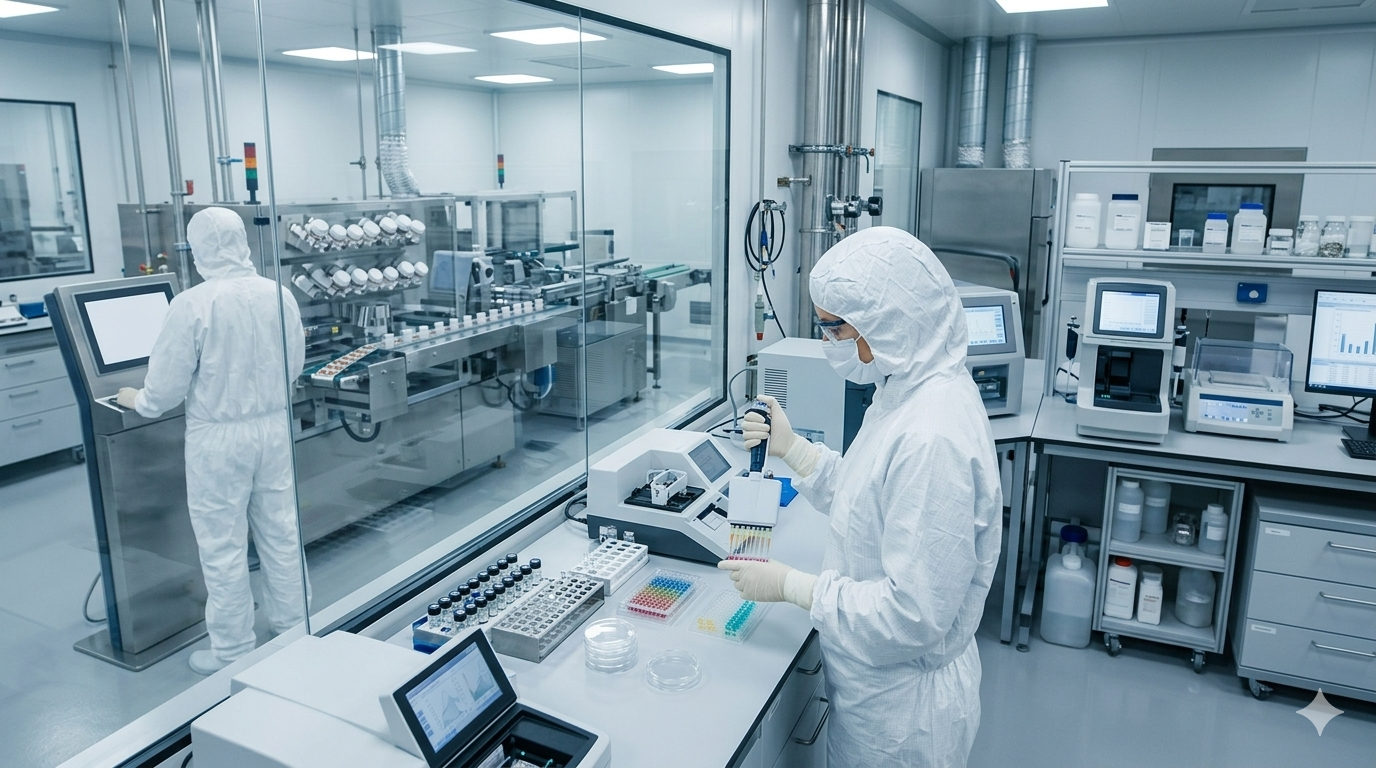
Segment Overview
The Pharmaceuticals segment covers the research, development, manufacturing, distribution, and commercialization of medicinal products used for the prevention, diagnosis, treatment, and management of diseases and medical conditions. It includes prescription drugs, generic medicines, biologics, vaccines, and specialty therapeutics used across healthcare systems globally.
This segment operates at the intersection of biomedical research, clinical science, regulatory compliance, and industrial manufacturing, making it one of the most research-intensive and highly regulated areas within the healthcare industry.
Scope of the Pharmaceuticals Segment
This segment includes, but is not limited to:
Prescription pharmaceuticals
Branded and generic drugs used in acute and chronic disease treatment.
Biopharmaceuticals and biologics
Monoclonal antibodies, recombinant proteins, cell therapies, and gene-based therapeutics.
Vaccines and immunization products
Preventive medicines used against infectious diseases and public health threats.
Over-the-counter (OTC) medicines
Non-prescription drugs for common health conditions and self-care applications.
Specialty and orphan drugs
Targeted therapies for rare diseases, oncology, autoimmune disorders, and complex medical conditions.
Pharmaceutical manufacturing and formulation systems
Active pharmaceutical ingredients (APIs), drug formulation technologies, and packaging systems.
Market Characteristics
The Pharmaceuticals segment is defined by several structural characteristics:
- Strong regulatory oversight governing safety, efficacy, and manufacturing quality
- High investment requirements in research, clinical trials, and product development
- Long product development and commercialization cycles
- Dependence on intellectual property protection and patent frameworks
- Complex global supply chains for APIs, formulations, and distribution
- Increasing focus on biologics, personalized medicine, and advanced therapies
- Demand influenced by disease prevalence, demographics, healthcare access, and public health policies
Value Chain Overview
The segment spans the full pharmaceutical value chain:
- Drug Discovery & Research: Identification of therapeutic compounds and biological targets
- Preclinical & Clinical Development: Laboratory testing, clinical trials, and safety evaluations
- Regulatory Approval: Submission, review, and authorization by healthcare regulatory agencies
- Manufacturing & Quality Assurance: API production, formulation, packaging, and compliance monitoring
- Distribution & Commercialization: Supply to hospitals, pharmacies, distributors, and healthcare providers
- Post-Market Surveillance: Monitoring drug safety, efficacy, and adverse event reporting
Each stage involves scientific validation, regulatory oversight, and operational risk management.
Key Market Drivers
- Rising prevalence of chronic and infectious diseases
- Aging global population and increasing healthcare demand
- Advancements in biotechnology and precision medicine
- Expansion of healthcare infrastructure and pharmaceutical access
- Growth in vaccine development and preventive healthcare initiatives
- Increasing investment in drug research and clinical innovation
Strategic Importance within Healthcare & Life Sciences
Pharmaceuticals play a foundational role in healthcare systems by enabling disease prevention, symptom management, and therapeutic intervention across a wide range of medical conditions.
Upstream, the segment supports biomedical research, chemical manufacturing, and biotechnology innovation. Downstream, it strengthens hospitals, pharmacies, public health programs, and long-term patient care systems.
As healthcare systems evolve toward more personalized, technology-enabled, and preventive care models, the Pharmaceuticals segment remains central to medical innovation, healthcare accessibility, and global health outcomes.