
Global Traumatic Brain Injury (TBI) Treatment Market Size and Share Analysis 2026-2033
Global Traumatic Brain Injury (TBI) Treatment Market Forecast Snapshot (2026???2033)
| Metric | Value |
|---|---|
| Market Size (2025) | USD 11.9 Billion |
| Market Size (2033) | USD 19.8 Billion |
| CAGR (2026???2033) | 6.6% |
| Largest Injury Severity Segment | Mild Traumatic Brain Injury (Concussion) |
| Fastest Growing Injury Severity Segment | Severe Traumatic Brain Injury |
| Largest Treatment Type Segment | Emergency Care & Acute Trauma Management |
| Fastest Growing Treatment Segment | Neuro-Rehabilitation Therapies |
| Leading End User | Hospitals & Trauma Centers |
| Largest Diagnostic Method | Computed Tomography (CT) Imaging |
| Key Growth Driver | Rising Incidence of Road Accidents, Falls, and Sports-Related Head Injuries |
| Major Technology Trend | AI-Assisted Neuroimaging and Advanced Neurocritical Monitoring Systems |
| Emerging Opportunity | Regenerative Medicine and Neuroprotective Drug Development |
| Top Investment Area | Advanced Neurosurgical Technologies and Rehabilitation Robotics |
| Dominant Region | North America |
| Fastest Growing Region | Asia-Pacific |
| Key Challenge | Limited Availability of Specialized Neuro-Trauma Care in Developing Regions |
| Strategic Outlook | Steady Long-Term Growth Supported by Advancements in Neurocritical Care, Early Diagnosis, and Rehabilitation Technologies |
Global Traumatic Brain Injury (TBI) Treatment Market Size & Forecast
The global traumatic brain injury (TBI) treatment market is projected to witness steady and sustained growth during the forecast period from 2026 to 2033. The market was valued at approximately USD 11.9 billion in 2025 and is expected to reach nearly USD 19.8 billion by 2033, expanding at a CAGR of around 6.6%. This growth is driven by the rising incidence of road accidents, sports-related injuries, falls among the elderly population, and increasing awareness of early diagnosis and advanced neurocritical care treatments. Traumatic brain injury refers to a disruption in normal brain function caused by an external force, often resulting from blunt trauma, penetrating injury, or sudden acceleration-deceleration movements. Treatment includes emergency care, surgical interventions, rehabilitation therapies, and long-term neurological management to restore cognitive and physical functions. The market is experiencing growth due to advancements in neuroimaging, minimally invasive neurosurgery, critical care monitoring systems, and rehabilitation technologies. Increasing investments in neuroscience research and development of neuroprotective drugs are further strengthening market expansion globally. Additionally, improved emergency response systems, growing access to trauma centers, and rising healthcare expenditure in emerging economies are significantly enhancing patient survival rates and recovery outcomes.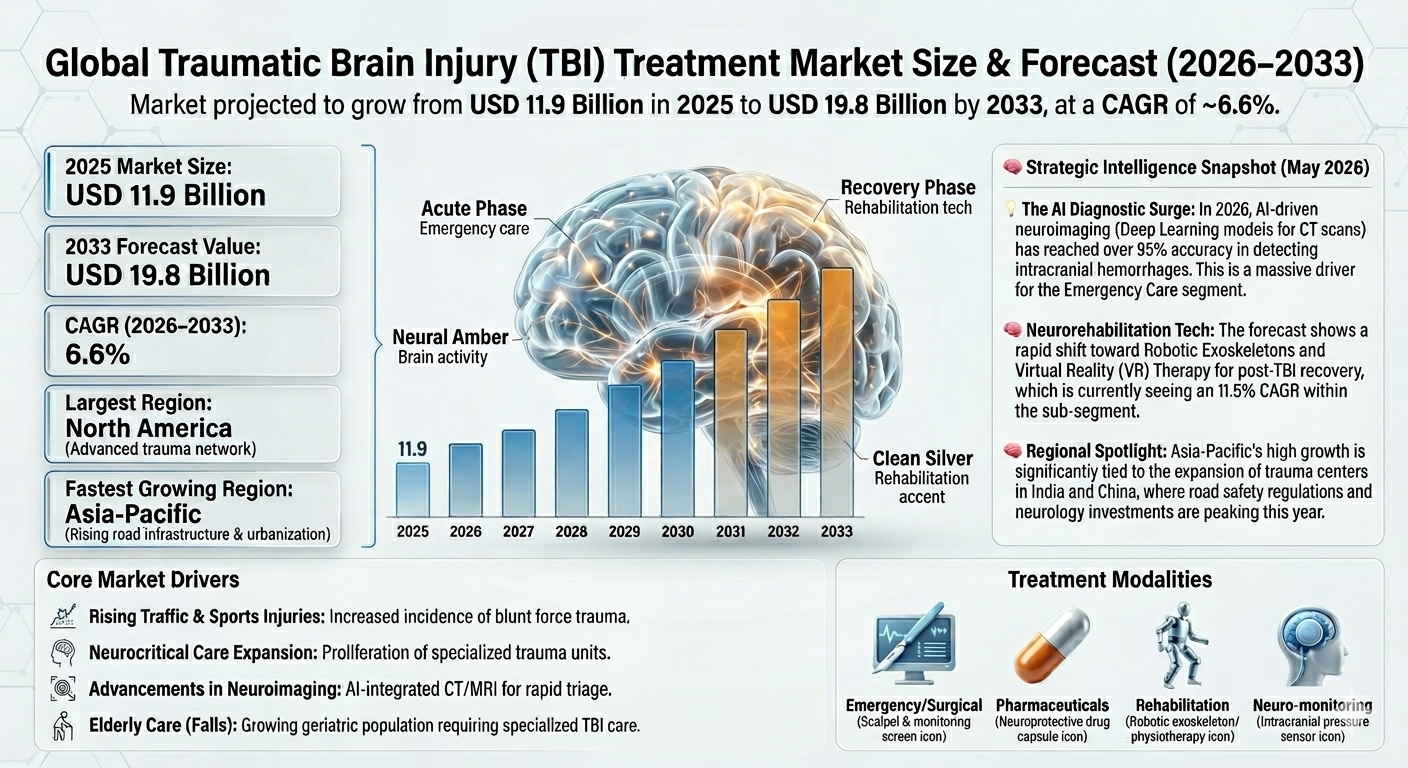
Global Traumatic Brain Injury (TBI) Treatment Market Overview
The TBI treatment market encompasses a wide range of medical services and products including emergency care, surgical procedures, pharmaceutical therapies, rehabilitation services, and neurocritical monitoring systems. The market is supported by a multidisciplinary approach involving neurosurgeons, neurologists, rehabilitation specialists, emergency physicians, and intensive care teams working together to improve patient outcomes. Key industry participants include Medtronic, Stryker Corporation, Johnson & Johnson (DePuy Synthes), Baxter International, B. Braun Melsungen AG, Integra LifeSciences, Nihon Kohden, and GE HealthCare, along with various pharmaceutical companies developing neuroprotective and anti-inflammatory therapies. The market is highly dependent on hospital infrastructure, trauma care accessibility, and availability of advanced diagnostic and surgical equipment.Key Drivers of Global Traumatic Brain Injury (TBI) Treatment Market Growth
Rising Incidence of Accidents and Head Injuries
Increasing road traffic accidents, workplace injuries, sports-related trauma, and falls among aging populations are major contributors to TBI cases worldwide.Advancements in Neurosurgical Technologies
Innovations in minimally invasive neurosurgery, robotic-assisted procedures, and advanced imaging techniques are improving treatment precision and patient outcomes.Growing Demand for Neurocritical Care
Expansion of intensive care units (ICUs) and trauma centers is enhancing the availability of specialized care for severe brain injury patients.Development of Neuroprotective Therapies
Ongoing research into drugs that reduce brain swelling, inflammation, and secondary brain damage is expanding treatment options for TBI patients.Improved Emergency Response Systems
Enhanced ambulance services, trauma response protocols, and telemedicine support are reducing time-to-treatment and improving survival rates.Global Traumatic Brain Injury (TBI) Treatment Market Segmentation
By Injury Severity
The market is segmented into mild TBI (concussion), moderate TBI, and severe TBI. Mild TBI accounts for the largest share due to high incidence rates, while severe TBI requires intensive care and surgical intervention.By Treatment Type
Treatment types include emergency care, surgical treatment, medication therapy, rehabilitation therapy, and long-term care management. Surgical treatment and emergency care dominate severe cases.By End User
End users include hospitals, trauma centers, rehabilitation centers, ambulatory surgical centers, and specialty neurology clinics. Hospitals and trauma centers account for the largest share.By Diagnostic Method
Diagnostic methods include CT scans, MRI, intracranial pressure monitoring, neurological examinations, and biomarker-based testing. CT imaging is widely used in emergency diagnosis.By Therapy Type
Therapies include physical therapy, occupational therapy, speech therapy, cognitive rehabilitation, and psychological support services.Regional Market Dynamics
North America leads the global TBI treatment market due to advanced trauma care systems, high healthcare spending, strong neurosurgical infrastructure, and high awareness levels in the United States and Canada. Europe holds a significant share driven by well-established healthcare systems, strong rehabilitation networks, and government-funded trauma care programs. Asia-Pacific is the fastest-growing region due to increasing road accidents, expanding healthcare infrastructure, and rising investments in neurology care facilities in China, India, Japan, and Southeast Asia. Latin America is witnessing steady growth with improvements in emergency care systems and increasing availability of trauma treatment facilities. Middle East & Africa is gradually expanding due to rising healthcare investments and development of specialized trauma centers in urban areas.Competitive Landscape
The global TBI treatment market is moderately consolidated with strong participation from medical device manufacturers, pharmaceutical companies, and healthcare service providers. Key players include Medtronic, Stryker Corporation, Johnson & Johnson (DePuy Synthes), Baxter International, B. Braun Melsungen AG, Integra LifeSciences, Nihon Kohden, GE HealthCare, and other neurology-focused companies. Companies are focusing on advanced neuro-monitoring systems, minimally invasive surgical tools, brain imaging technologies, and neurocritical care solutions to strengthen market position. Pharmaceutical companies are investing in research for neuroprotective drugs aimed at reducing secondary brain injury and improving long-term recovery outcomes. Strategic collaborations between hospitals, research institutes, and device manufacturers are accelerating innovation in trauma care and rehabilitation technologies.Strategic Outlook
The strategic outlook for the TBI treatment market remains positive due to increasing global incidence of brain injuries and continuous advancements in neurocritical care and rehabilitation technologies. Future growth opportunities include AI-assisted brain injury diagnostics, portable neuro-monitoring devices, regenerative medicine approaches, and advanced neuro-rehabilitation robotics. Improved trauma care infrastructure in emerging economies and increasing awareness of early intervention are expected to further drive market expansion.Final Market Perspective
The global traumatic brain injury treatment market is a critical segment of the healthcare industry, addressing life-threatening neurological conditions that require immediate and long-term care. Continuous advancements in neurosurgery, diagnostics, and rehabilitation are improving survival rates and patient recovery outcomes. As healthcare systems continue to strengthen trauma response capabilities and adopt advanced neurological technologies, the market is expected to witness steady growth. Companies that invest in innovation, neurocritical care solutions, and integrated rehabilitation systems will remain well-positioned in the evolving global TBI treatment market.Table of Contents
- 1. Executive Summary
- 1.1 Global Traumatic Brain Injury (TBI) Treatment Market Snapshot (2026-2033)
- 1.2 Market Size & CAGR Analysis
- 1.3 Largest & Fastest-Growing Segments
- 1.4 Key Regional Insights
- 1.5 Major Market Growth Drivers
- 1.6 Competitive Landscape Overview
- 1.7 Strategic Outlook Through 2033
- 2. Introduction & Market Overview
- 2.1 Definition of Traumatic Brain Injury (TBI) Treatment Market
- 2.2 Scope of the Study
- 2.3 Evolution of Neurocritical Care & Trauma Management
- 2.4 TBI Treatment Value Chain & Care Delivery Infrastructure
- 2.5 Healthcare Systems & Trauma Center Landscape
- 2.6 Regulatory & Clinical Guidelines Environment
- 2.7 Technology & Neuroscience Innovation Trends
- 3. Research Methodology
- 3.1 Primary Research
- 3.2 Secondary Research
- 3.3 Market Size Estimation Model
- 3.4 Forecast Assumptions (2026-2033)
- 3.5 Data Validation & Market Triangulation
- 4. Market Dynamics
- 4.1 Drivers
- 4.1.1 Rising Incidence of Road Accidents & Head Injuries
- 4.1.2 Growing Aging Population & Fall-Related Injuries
- 4.1.3 Advancements in Neurosurgical Technologies
- 4.1.4 Expansion of Neurocritical Care Infrastructure
- 4.1.5 Increasing Investment in Neurology Research
- 4.2 Restraints
- 4.2.1 High Cost of Neurocritical Care & Treatment
- 4.2.2 Limited Access to Advanced Trauma Centers in Emerging Regions
- 4.2.3 Shortage of Skilled Neurospecialists
- 4.2.4 Complex Long-Term Rehabilitation Requirements
- 4.3 Opportunities
- 4.3.1 AI-Based Brain Injury Diagnosis Systems
- 4.3.2 Neuro-Rehabilitation Robotics & Assistive Technologies
- 4.3.3 Development of Neuroprotective Drugs
- 4.3.4 Portable Neuro-Monitoring Devices
- 4.4 Challenges
- 4.4.1 Delayed Emergency Response in Low-Income Regions
- 4.4.2 Variability in Treatment Protocols Across Countries
- 4.4.3 Long-Term Cognitive & Physical Rehabilitation Burden
- 4.4.4 High Dependence on ICU & Critical Care Infrastructure
- 4.1 Drivers
- 5. Global Traumatic Brain Injury (TBI) Treatment Market Analysis (USD Billion), 2026-2033
- 5.1 Market Size Overview
- 5.2 CAGR Analysis
- 5.3 Regional Revenue Distribution
- 5.4 Segment Revenue Analysis
- 5.5 Treatment Cost & Utilization Trends
- 5.6 Healthcare Infrastructure Impact
- 6. Market Segmentation (USD Billion), 2026-2033
- 6.1 By Injury Severity
- 6.1.1 Mild TBI (Concussion)
- 6.1.2 Moderate TBI
- 6.1.3 Severe TBI
- 6.2 By Treatment Type
- 6.2.1 Emergency Care
- 6.2.2 Surgical Treatment
- 6.2.3 Medication Therapy
- 6.2.4 Rehabilitation Therapy
- 6.2.5 Long-Term Care Management
- 6.3 By Diagnostic Method
- 6.3.1 CT Scan
- 6.3.2 MRI
- 6.3.3 Intracranial Pressure Monitoring
- 6.3.4 Neurological Examination
- 6.3.5 Biomarker-Based Testing
- 6.4 By Therapy Type
- 6.4.1 Physical Therapy
- 6.4.2 Occupational Therapy
- 6.4.3 Speech Therapy
- 6.4.4 Cognitive Rehabilitation
- 6.4.5 Psychological Support Services
- 6.5 By End User
- 6.5.1 Hospitals
- 6.5.2 Trauma Centers
- 6.5.3 Rehabilitation Centers
- 6.5.4 Ambulatory Surgical Centers
- 6.5.5 Specialty Neurology Clinics
- 6.1 By Injury Severity
- 7. Market Segmentation by Geography
- 7.1 North America
- 7.2 Europe
- 7.3 Asia-Pacific
- 7.4 Latin America
- 7.5 Middle East & Africa
- 8. Competitive Landscape
- 8.1 Market Share Analysis
- 8.2 Neurosurgical Device Benchmarking
- 8.3 Neurocritical Care Technology Analysis
- 8.4 Strategic Partnerships & Collaborations
- 8.5 R&D & Neuro-innovation Strategies
- 9. Company Profiles
- 9.1 Medtronic
- 9.2 Stryker Corporation
- 9.3 Johnson & Johnson (DePuy Synthes)
- 9.4 Baxter International
- 9.5 B. Braun Melsungen AG
- 9.6 Integra LifeSciences
- 9.7 GE HealthCare
- 9.8 Nihon Kohden
- 9.9 Other Key Neurocare Companies
- 9.10 Emerging Neurotech Startups
- 10. Strategic Intelligence & Pheonix AI Insights
- 10.1 Pheonix Demand Forecast Engine
- 10.2 Trauma Case & Incidence Prediction Models
- 10.3 Neurocritical Care Capacity Analyzer
- 10.4 Rehabilitation Outcome Optimization System
- 10.5 Automated Porter???s Five Forces Analysis
- 11. Future Outlook & Strategic Recommendations
- 11.1 Expansion of Advanced Trauma Care Infrastructure
- 11.2 Investment in AI & Neuro-Diagnostics
- 11.3 Development of Regenerative Brain Therapies
- 11.4 Adoption of Neuro-Rehabilitation Robotics
- 11.5 Long-Term Market Outlook (2033+)
- 12. Appendix
- 13. About Pheonix Research
- 14. Disclaimer
Competitive Landscape
Global Traumatic Brain Injury (TBI) Treatment Market Competitive Intensity & Market Structure Overview
The Global Traumatic Brain Injury (TBI) Treatment Market is moderately consolidated at the medical device and hospital infrastructure level, while remaining fragmented across rehabilitation services and neuropharmaceutical development. Competitive intensity is driven by technological innovation in neurosurgical devices, neuro-monitoring systems, diagnostic imaging solutions, and integrated trauma care platforms.
The market structure is characterized by strong dependence on hospital networks, trauma centers, and specialized neurological care units. Large multinational medical device companies dominate high-value equipment segments, while regional healthcare providers and rehabilitation centers contribute significantly to service delivery fragmentation across global healthcare systems.
Competition is increasingly influenced by the need for faster diagnosis, minimally invasive surgical procedures, and improved long-term neurological recovery outcomes. Companies are actively investing in advanced brain imaging systems, AI-assisted diagnostics, and precision neurosurgical tools to enhance clinical efficiency and patient survival rates.
Global Traumatic Brain Injury (TBI) Treatment Market Competitive Intensity & Market Structure Current Scenario
Leading Medical Device, Diagnostic & Neurocare Ecosystem Players
Medtronic: Leading provider of neurovascular devices, intracranial pressure monitoring systems, and advanced neurosurgical technologies used in critical TBI treatment procedures.
Stryker Corporation: Strong presence in neurotechnology, cranial repair systems, and surgical equipment supporting trauma and emergency neurosurgery.
Johnson & Johnson (DePuy Synthes): Major player in cranial fixation systems, neurosurgical implants, and trauma-related surgical solutions.
Baxter International: Provides critical care therapies, fluid management systems, and hospital-based support solutions used in intensive TBI treatment environments.
B. Braun Melsungen AG: Focused on critical care infrastructure, infusion systems, and neurocritical care support equipment.
Integra LifeSciences: Specializes in neurosurgical devices, dural repair systems, and advanced brain injury management solutions.
Nihon Kohden: Key provider of neuro-monitoring systems, EEG devices, and critical care patient monitoring technologies.
GE HealthCare: Strong presence in advanced neuroimaging solutions including CT, MRI, and diagnostic imaging systems used in TBI detection and monitoring.
Philips Healthcare: Offers imaging, patient monitoring, and critical care solutions supporting emergency neurological diagnosis and treatment.
Emerging neuropharma & biotech companies: Focused on neuroprotective drugs, regenerative therapies, and inflammation-reducing treatments aimed at improving post-TBI recovery outcomes.
Key Competitive Intensity & Market Structure Signals in Global TBI Treatment Market
A key competitive driver is continuous innovation in minimally invasive neurosurgical technologies. Companies are competing to develop more precise, less invasive procedures that reduce surgical risk, shorten recovery time, and improve neurological outcomes in acute trauma cases.
Another major signal is the increasing integration of advanced imaging and AI-based diagnostic systems. Real-time brain injury detection, predictive neurological risk assessment, and automated imaging interpretation are becoming critical differentiators in emergency care settings.
Neurocritical care infrastructure is also a key competitive battleground. Hospitals and medical device providers are focusing on advanced ICU monitoring systems, intracranial pressure management, and real-time neurological data tracking to improve survival rates in severe TBI cases.
Rehabilitation and long-term care services remain highly fragmented, creating opportunities for specialized providers offering cognitive, physical, and occupational therapy solutions integrated with digital health platforms and remote monitoring systems.
Pharmaceutical innovation in neuroprotective therapies is intensifying, with companies competing to develop drugs that reduce secondary brain injury, inflammation, and long-term cognitive impairment following traumatic events.
Strategic Implications of Competitive Intensity & Market Structure in Global TBI Treatment Market
The market is increasingly shifting toward integrated neurotrauma care ecosystems that combine emergency response, surgical intervention, intensive care, and rehabilitation into a continuous treatment pathway. Companies offering end-to-end solutions are gaining stronger competitive positioning.
Strategic collaborations between medical device manufacturers, hospitals, and research institutions are accelerating innovation in brain injury management technologies and improving clinical trial outcomes for neurotherapeutic drugs.
Digital transformation is becoming more prominent, with AI-assisted diagnostics, remote neurological monitoring, and tele-neurology platforms improving accessibility to specialized care in underserved regions.
Regulatory approvals and clinical validation remain critical barriers to entry, particularly for pharmaceutical and advanced neurosurgical technologies, reinforcing the dominance of established global medical device leaders.
Emerging markets are witnessing increasing investment in trauma care infrastructure, creating new growth opportunities for both equipment suppliers and healthcare service providers.
Global Traumatic Brain Injury (TBI) Treatment Market Competitive Intensity & Market Structure Forward Outlook
The Global TBI Treatment Market is expected to remain moderately consolidated in device manufacturing while becoming more distributed in service delivery and rehabilitation care models. Competition will continue to intensify as technology-driven innovation reshapes neurosurgical and diagnostic capabilities.
Future advancements are expected in AI-powered brain injury detection systems, portable neuro-monitoring devices, robotic-assisted neurosurgery, and regenerative medicine-based neurological repair technologies.
The integration of digital health platforms with trauma care systems will further enhance patient monitoring, post-treatment rehabilitation tracking, and long-term outcome analysis across healthcare networks.
Sustained investment in neurocritical care infrastructure, particularly in emerging economies, will significantly expand market access and improve global treatment outcomes for traumatic brain injuries.
Overall, the market will remain innovation-driven and clinically critical, with leadership determined by technological advancement, clinical effectiveness, diagnostic precision, and integrated care capabilities. Companies that successfully combine advanced medical devices, AI-enabled diagnostics, and comprehensive neurorehabilitation solutions will lead the Global TBI Treatment Market through 2033.
Value Chain
Global Traumatic Brain Injury (TBI) Treatment Market Value Chain & Supply Chain Evolution Overview
The Global Traumatic Brain Injury (TBI) Treatment Market value chain is evolving into a highly integrated neurocare ecosystem that connects emergency medical response systems, neurosurgical intervention technologies, neurocritical care infrastructure, pharmaceutical innovation, and long-term rehabilitation services. This evolution is being driven by the rising global incidence of traumatic brain injuries caused by road accidents, falls, sports-related trauma, workplace injuries, and aging population vulnerabilities. As healthcare systems increasingly prioritize rapid response, precision diagnostics, and long-term neurological recovery, the TBI treatment ecosystem is shifting toward more coordinated, technology-enabled, and multidisciplinary care delivery models designed to improve survival rates and neurological outcomes.
The value chain includes a complex network of emergency medical service providers, trauma care hospitals, neurosurgeons, neurologists, rehabilitation specialists, diagnostic imaging companies, medical device manufacturers, pharmaceutical firms, and healthcare IT providers. Leading industry participants such as Medtronic, Stryker Corporation, Johnson & Johnson (DePuy Synthes), Baxter International, B. Braun Melsungen AG, Integra LifeSciences, Nihon Kohden, and GE HealthCare play a central role in developing advanced neuro-monitoring systems, minimally invasive surgical tools, brain imaging technologies, and intensive care solutions that support the full continuum of TBI treatment from acute intervention to long-term rehabilitation.
Upstream supply chain components in the TBI treatment ecosystem are heavily dependent on advanced medical device manufacturing, precision engineering of neurosurgical instruments, neuroimaging system development, pharmaceutical research in neuroprotective and anti-inflammatory drugs, and biosensor technologies used in intracranial pressure monitoring and neurological assessment. These components are supported by highly specialized research and development pipelines that integrate neuroscience, biomedical engineering, pharmacology, and digital health technologies to continuously improve diagnostic accuracy, surgical precision, and patient recovery outcomes.
The operational structure of the market is increasingly centered around hospital-based trauma systems and integrated neurocritical care units that bring together multidisciplinary teams including emergency physicians, neurosurgeons, intensive care specialists, and rehabilitation therapists. These systems rely on real-time diagnostic imaging, continuous patient monitoring, AI-assisted clinical decision support systems, and advanced surgical technologies to ensure rapid and effective treatment of both mild and severe traumatic brain injuries. However, disparities in access to advanced trauma care infrastructure, particularly in low- and middle-income regions, continue to pose significant challenges to consistent global treatment outcomes.
Despite significant technological advancements, the TBI treatment ecosystem continues to face challenges related to high treatment costs, limited availability of specialized neurosurgical expertise in certain regions, variability in trauma care standards, and the complexity of long-term rehabilitation processes. In addition, the unpredictable nature of brain injuries requires highly responsive emergency systems and coordinated care pathways that can adapt quickly to patient condition changes, making system integration and communication across care providers critically important.
Global Traumatic Brain Injury (TBI) Treatment Market Value Chain & Supply Chain Evolution Current Scenario
The current TBI treatment ecosystem is characterized by increasing adoption of advanced neuroimaging technologies, expansion of trauma care centers, and growing integration of digital health systems into emergency and critical care workflows. Hospitals and trauma centers across developed regions are increasingly equipped with high-resolution CT and MRI imaging systems, intracranial pressure monitoring devices, and AI-assisted diagnostic tools that enable faster and more accurate assessment of brain injury severity, allowing for timely surgical or therapeutic intervention.
Medical device manufacturers are actively innovating in minimally invasive neurosurgical technologies, advanced brain monitoring systems, and robotic-assisted surgical platforms that enhance precision and reduce procedural risks. At the same time, pharmaceutical companies are investing in the development of neuroprotective drugs aimed at reducing secondary brain damage, controlling brain swelling, and improving long-term neurological recovery outcomes, although no definitive cure for TBI currently exists, making supportive and rehabilitative care essential.
Rehabilitation services represent a critical and expanding component of the current market, with increasing emphasis on cognitive rehabilitation, physical therapy, occupational therapy, speech therapy, and psychological support services. These services are becoming more structured and technology-enabled, incorporating virtual rehabilitation platforms, wearable monitoring devices, and AI-driven progress tracking systems to improve patient recovery trajectories over extended periods of care.
However, the current market still faces significant challenges in terms of uneven access to trauma care infrastructure, particularly in rural and developing regions where advanced neurosurgical facilities and trained specialists may be limited. In addition, the time-sensitive nature of TBI treatment requires highly efficient emergency response systems, which remain inconsistent across different geographies, impacting overall patient survival and recovery rates.
Key Value Chain & Supply Chain Evolution Signals in Global TBI Treatment Market
One of the most important transformation signals in the TBI treatment market is the increasing integration of AI-powered diagnostic systems and neuroimaging analytics tools that enable faster detection of brain injuries and more precise assessment of injury severity. These technologies are improving clinical decision-making in emergency settings, allowing healthcare providers to prioritize treatment pathways and reduce time-to-intervention, which is critical for improving patient outcomes in severe TBI cases.
Another major evolution trend is the advancement of minimally invasive neurosurgical techniques supported by robotic-assisted surgical systems and high-precision imaging technologies. These innovations are reducing surgical risks, improving procedural accuracy, and enabling more effective treatment of complex brain injuries while minimizing damage to surrounding healthy tissue.
The expansion of neurocritical care infrastructure is also a key market signal, with increasing investment in specialized intensive care units equipped with continuous brain monitoring systems, ventilatory support technologies, and advanced patient stabilization equipment. These facilities are becoming central to improving survival rates for severe TBI patients who require long-term critical care management.
Rehabilitation technology is another rapidly evolving segment, with growing adoption of digital rehabilitation platforms, virtual reality-based cognitive therapy systems, and wearable neuro-monitoring devices that track patient recovery progress in real time. These technologies are enabling more personalized and adaptive rehabilitation programs that improve long-term functional outcomes for TBI patients.
Finally, increasing awareness of early intervention and improved emergency medical response systems is playing a critical role in shaping the market. Enhanced ambulance services, telemedicine-supported trauma care, and standardized emergency protocols are significantly reducing treatment delays and improving survival rates, particularly in urban and semi-urban regions.
Strategic Implications of Value Chain & Supply Chain Evolution in Global TBI Treatment Market
Leading companies such as Medtronic, Stryker Corporation, Johnson & Johnson (DePuy Synthes), Baxter International, B. Braun Melsungen AG, Integra LifeSciences, Nihon Kohden, and GE HealthCare are strengthening their market positions through continuous innovation in neuro-monitoring systems, surgical technologies, and critical care solutions. Competitive advantage in the TBI treatment market is increasingly driven by technological sophistication, clinical accuracy, product reliability, and the ability to support integrated care pathways from emergency response to long-term rehabilitation.
Organizations that can deliver end-to-end neurocare ecosystems integrating diagnostic imaging, surgical intervention tools, ICU monitoring systems, pharmaceutical therapies, and rehabilitation technologies are expected to capture stronger market opportunities. There is also growing emphasis on developing portable and cost-effective neuro-monitoring devices that can be deployed in emergency settings, ambulances, and resource-limited environments to improve early diagnosis and intervention capabilities.
Strategic collaborations between hospitals, medical device manufacturers, pharmaceutical companies, and research institutions are accelerating innovation in neurotrauma care. These partnerships are enabling the development of next-generation brain injury treatments, regenerative medicine approaches, and AI-assisted clinical decision support systems designed to improve patient outcomes and reduce long-term disability rates.
At the same time, increasing healthcare expenditure in emerging economies is driving expansion of trauma care infrastructure, including the establishment of specialized neurotrauma centers and rehabilitation facilities. However, disparities in access to advanced care continue to create uneven outcomes across regions, highlighting the need for scalable and affordable treatment solutions.
Global Traumatic Brain Injury (TBI) Treatment Market Value Chain & Supply Chain Evolution Forward Outlook
Between 2026 and 2033, the TBI treatment value chain is expected to evolve into a more connected, technology-driven, and precision-oriented neurocare ecosystem supported by AI-enabled diagnostics, advanced surgical robotics, and digital rehabilitation platforms. Healthcare systems will increasingly adopt integrated neurotrauma pathways that combine emergency response, imaging, surgery, critical care, and rehabilitation into unified treatment frameworks designed to optimize patient outcomes.
Artificial intelligence is expected to play a growing role in early diagnosis, risk stratification, and treatment planning for traumatic brain injuries. AI algorithms trained on neuroimaging and clinical data will enhance the speed and accuracy of diagnosis, enabling faster intervention decisions in emergency care settings and improving survival probabilities in severe cases.
Regenerative medicine and neurorestorative therapies are also expected to gain traction, with ongoing research into stem cell therapies, neuroprotective drug development, and brain tissue regeneration techniques offering potential long-term improvements in functional recovery outcomes. While these technologies are still in developmental stages, they represent a significant future growth frontier for the market.
Rehabilitation will continue to evolve toward more personalized, technology-enabled care models incorporating virtual reality therapy, robotics-assisted physical rehabilitation, and AI-driven cognitive training systems. These advancements will support improved long-term recovery outcomes and reduce the burden of disability associated with severe brain injuries.
Ultimately, the future TBI treatment value chain will evolve into a fully integrated neurocare ecosystem combining advanced medical devices, AI-powered diagnostics, precision surgery, intensive care systems, pharmaceutical innovation, and digital rehabilitation technologies aimed at delivering comprehensive, continuous, and outcome-driven care for patients worldwide.
Market-Specific Value Chain
- Emergency Response & Trauma Care Systems: Ambulance services, pre-hospital care, emergency stabilization, trauma response protocols, and rapid patient transport systems.
- Diagnostic Imaging & Neuroassessment Technologies: CT scans, MRI systems, intracranial pressure monitoring, neurological diagnostics, and AI-assisted imaging analysis tools.
- Neurosurgical & Medical Device Technologies: Minimally invasive surgical tools, robotic-assisted neurosurgery systems, brain monitoring devices, and critical care equipment.
- Pharmaceutical & Neuroprotective Therapies: Anti-inflammatory drugs, neuroprotective agents, brain swelling management medications, and clinical drug development pipelines.
- Neurocritical Care & Hospital Treatment Systems: Intensive care units, trauma centers, continuous monitoring systems, ventilatory support, and multidisciplinary clinical care teams.
- Rehabilitation & Long-Term Recovery Systems: Physical therapy, cognitive rehabilitation, occupational therapy, speech therapy, psychological support, and digital rehabilitation platforms.
Company-to-Stage Mapping
- Emergency Response & Trauma Care Systems: Global ambulance service providers, hospital emergency networks, public health trauma systems.
- Diagnostic Imaging & Neuroassessment Technologies: GE HealthCare, Siemens Healthineers, Philips Healthcare, Canon Medical Systems.
- Neurosurgical & Medical Device Technologies: Medtronic, Stryker, Johnson & Johnson (DePuy Synthes), Integra LifeSciences, Nihon Kohden.
- Pharmaceutical & Neuroprotective Therapies: Baxter International, B. Braun Melsungen AG, Roche, Novartis, emerging neuropharma companies.
- Neurocritical Care & Hospital Treatment Systems: Apollo Hospitals, Mayo Clinic, Cleveland Clinic, Johns Hopkins Hospital, major trauma centers worldwide.
- Rehabilitation & Long-Term Recovery Systems: Rehabilitation hospitals, neurorehabilitation centers, digital health rehab platforms, physiotherapy networks.
Investment Activity
Global Traumatic Brain Injury (TBI) Treatment Market Investment & Funding Dynamics Overview
Investment and funding activity in the Global Traumatic Brain Injury (TBI) Treatment Market is steadily increasing, driven by the rising global burden of neurological injuries, expanding trauma care infrastructure, and continuous advancements in neurosurgical and neurocritical care technologies. Between 2026 and 2033, capital allocation is expected to focus on hospital infrastructure expansion, neurodiagnostic innovation, minimally invasive surgical systems, and next-generation rehabilitation technologies designed to improve long-term patient recovery outcomes.
A significant portion of investments is flowing into medical device companies developing advanced neuro-monitoring systems, intracranial pressure monitoring devices, brain imaging solutions, and robotic-assisted neurosurgical tools. Leading companies such as Medtronic, Stryker Corporation, Johnson & Johnson (DePuy Synthes), Baxter International, B. Braun Melsungen AG, Integra LifeSciences, Nihon Kohden, and GE HealthCare are increasing R&D spending to strengthen product pipelines and enhance clinical precision in TBI management.
Pharmaceutical investment activity is also expanding, with increased funding directed toward neuroprotective drug development aimed at reducing secondary brain injury, controlling inflammation, and improving neurological recovery outcomes. In parallel, venture capital interest is rising in digital health platforms, AI-based diagnostic tools, and neuro-rehabilitation robotics that support long-term patient monitoring and recovery optimization.
Global Traumatic Brain Injury (TBI) Treatment Market Investment & Funding Dynamics Current Scenario
Currently, investment activity is concentrated in North America and Europe due to advanced healthcare infrastructure, strong clinical research ecosystems, and high adoption of innovative neurosurgical technologies. However, Asia-Pacific is rapidly emerging as a key growth region due to increasing road traffic accidents, expanding healthcare infrastructure, and rising government investments in trauma care systems.
- North America: Leads global investment due to advanced trauma care systems, high healthcare expenditure, strong presence of medical device companies, and extensive clinical research in neurology and neurosurgery.
- Europe: Attracts steady investments supported by well-established public healthcare systems, rehabilitation networks, and government-funded neurological research initiatives.
- Asia-Pacific: Experiences rising investment inflows driven by increasing accident rates, expanding hospital infrastructure, and growing adoption of advanced neurosurgical and diagnostic technologies in countries such as China, India, Japan, and Southeast Asia.
- Middle East & Africa: Witnesses gradual investment growth supported by development of specialized trauma centers, healthcare modernization programs, and increasing focus on emergency medical services.
Key Investment & Funding Dynamics Signals in Global TBI Treatment Market
- Increasing incidence of traumatic brain injuries is driving higher healthcare infrastructure investments in trauma centers and neurocritical care units.
- Strong funding momentum in neuroimaging technologies such as advanced CT, MRI, and biomarker-based diagnostic systems is improving early detection capabilities.
- Rising investments in minimally invasive neurosurgery and robotic-assisted surgical systems are enhancing precision and reducing patient recovery times.
- Growing interest in neurorehabilitation technologies, including robotic therapy systems and cognitive recovery platforms, is expanding post-acute care investment opportunities.
- Pharmaceutical R&D funding is increasing for neuroprotective drugs aimed at preventing secondary brain injury and improving long-term neurological outcomes.
Strategic Implications of Investment & Funding Dynamics in Global TBI Treatment Market
- The market is increasingly driven by integrated healthcare ecosystems combining emergency care, surgical intervention, and rehabilitation under a unified treatment model.
- Medical device innovation is a primary investment focus, particularly in real-time brain monitoring, imaging accuracy, and surgical precision enhancement technologies.
- Strategic collaborations between hospitals, research institutions, and medical technology companies are accelerating innovation in neurocritical care solutions.
- Digital health and AI-based diagnostic platforms are emerging as key investment areas for improving early detection and personalized treatment planning.
- Long-term value creation is shifting toward rehabilitation-focused technologies that improve patient quality of life and reduce long-term healthcare costs.
Global Traumatic Brain Injury (TBI) Treatment Market Investment & Funding Dynamics Forward Outlook
Looking ahead, the Global Traumatic Brain Injury (TBI) Treatment Market is expected to attract sustained investment driven by increasing neurological disease burden, technological advancements in neuroscience, and expanding healthcare infrastructure in emerging economies. Capital allocation will increasingly focus on AI-assisted diagnostics, portable neuro-monitoring devices, regenerative medicine approaches, and advanced rehabilitation robotics designed to improve recovery efficiency.
Future funding trends will also emphasize integration of digital health platforms, remote patient monitoring systems, and data-driven neurocritical care solutions to enhance treatment outcomes and reduce response times. Governments and private healthcare providers are expected to continue investing in trauma care system modernization and emergency response optimization.
- North America: Will remain the dominant investment hub due to advanced neurology research capabilities and strong healthcare innovation ecosystems.
- Asia-Pacific: Will witness the fastest investment growth supported by expanding healthcare infrastructure and rising trauma incidence rates.
- Europe: Will continue focusing on rehabilitation technologies, public healthcare investments, and clinical neuroscience research funding.
Overall, the investment landscape in the TBI treatment market is becoming increasingly innovation-driven, with strong emphasis on improving survival rates, enhancing neurological recovery, and reducing long-term disability. Companies that invest in advanced neurotechnology, integrated care systems, and AI-enabled diagnostics will remain strongly positioned in this evolving global market.
Technology & Innovation
Global Traumatic Brain Injury (TBI) Treatment Market Technology & Innovation Landscape Overview
The technology and innovation landscape of the Global Traumatic Brain Injury (TBI) Treatment Market is evolving steadily as healthcare systems increasingly adopt advanced neurocritical care technologies, precision neurosurgical tools, AI-assisted diagnostics, and integrated rehabilitation solutions. Innovation across the market is focused on improving early detection, reducing secondary brain injury, enhancing surgical precision, and accelerating long-term neurological recovery outcomes for patients.
A key area of advancement is neuroimaging technology, where high-resolution CT, MRI, and functional imaging systems are enabling faster and more accurate diagnosis of brain injuries. These imaging modalities are increasingly being enhanced with artificial intelligence to support rapid interpretation, injury classification, and severity assessment in emergency care settings.
Minimally invasive neurosurgical techniques are also transforming treatment approaches for moderate and severe TBI cases. Advanced surgical navigation systems, robotic-assisted neurosurgery, and image-guided interventions are improving surgical precision while reducing complications, hospital stays, and recovery times.
In addition, neurocritical care monitoring systems are becoming more sophisticated, with continuous intracranial pressure (ICP) monitoring, brain oxygenation sensors, and multimodal neurological monitoring platforms. These technologies enable real-time assessment of brain function and help clinicians make faster, data-driven treatment decisions in intensive care units.
Rehabilitation technology is another major innovation area, with increasing use of robotics, virtual reality (VR)-based cognitive therapy, brain-computer interfaces (BCIs), and AI-powered rehabilitation platforms. These solutions are improving motor recovery, cognitive function restoration, and long-term patient rehabilitation outcomes.
The development of neuroprotective drug therapies is also gaining momentum, focusing on reducing brain swelling, inflammation, and secondary neuronal damage. Research in regenerative medicine, stem cell therapy, and targeted molecular treatments is further expanding the future treatment landscape for TBI patients.
Global Traumatic Brain Injury (TBI) Treatment Market Technology & Innovation Landscape Current Scenario
Currently, the global TBI treatment market is characterized by strong reliance on advanced trauma care infrastructure, rapid emergency response systems, and multidisciplinary neurocritical care teams. Hospitals and trauma centers are increasingly integrating digital health technologies, AI-assisted diagnostics, and advanced monitoring systems to improve patient outcomes in acute brain injury cases.
Computed tomography (CT) scanning remains the primary diagnostic tool in emergency settings due to its speed and accessibility, while MRI and advanced neuroimaging techniques are used for detailed assessment of brain injuries. AI-based imaging interpretation systems are gradually being adopted to reduce diagnostic delays and improve accuracy in critical cases.
Leading medical device companies such as Medtronic, Stryker Corporation, Johnson & Johnson (DePuy Synthes), Baxter International, B. Braun Melsungen AG, Integra LifeSciences, Nihon Kohden, and GE HealthCare are actively developing advanced neurosurgical instruments, monitoring devices, and neurocritical care solutions.
Intensive care units (ICUs) are increasingly equipped with integrated neuro-monitoring systems that track intracranial pressure, cerebral oxygenation, and brain activity in real time. These systems are critical for managing severe TBI cases and preventing secondary brain injury.
Rehabilitation centers are adopting structured multidisciplinary therapy programs combining physical therapy, occupational therapy, speech therapy, and cognitive rehabilitation. Digital rehabilitation platforms and tele-rehabilitation services are also gaining traction, especially for long-term recovery management.
Telemedicine is playing an increasingly important role in trauma care, enabling remote consultation with neurologists and neurosurgeons, particularly in rural and underserved regions. This is improving access to specialized care and reducing treatment delays.
Key Technology & Innovation Trends in Global Traumatic Brain Injury (TBI) Treatment Market
- AI-Assisted Neuroimaging: Machine learning systems improving CT and MRI interpretation for faster and more accurate diagnosis.
- Minimally Invasive Neurosurgery: Advanced surgical techniques reducing trauma, complications, and recovery time.
- Neurocritical Care Monitoring Systems: Real-time tracking of intracranial pressure, brain oxygen levels, and neurological status.
- Robotic-Assisted Neurosurgery: Precision-driven surgical systems improving outcomes in complex brain injury cases.
- Neurorehabilitation Robotics: Robotic devices supporting motor recovery and physical rehabilitation after brain injury.
- Virtual Reality (VR) Therapy: Immersive cognitive rehabilitation tools improving neuroplasticity and recovery outcomes.
- Brain-Computer Interfaces (BCIs): Emerging systems enabling communication and motor function support for severe TBI patients.
- Neuroprotective Drug Development: Pharmacological therapies targeting inflammation, swelling, and secondary brain damage.
- Telemedicine in Trauma Care: Remote neurology consultations improving access to specialized care in emergency situations.
- AI-Driven Rehabilitation Platforms: Personalized recovery programs optimizing long-term neurological rehabilitation.
Strategic Implications of Technology & Innovation
Technological innovation is significantly improving the global TBI treatment landscape by enhancing early diagnosis, surgical precision, intensive care management, and long-term rehabilitation outcomes. The integration of AI, advanced imaging, and real-time monitoring systems is enabling more proactive and data-driven clinical decision-making in critical care environments.
For healthcare providers, investment in neurocritical care infrastructure, advanced neurosurgical systems, and digital rehabilitation technologies is becoming essential to improve survival rates and functional recovery outcomes. Hospitals that adopt integrated neuro-care ecosystems are better positioned to deliver high-quality, multidisciplinary treatment for brain injury patients.
The growing adoption of telemedicine and remote monitoring solutions is also improving access to specialized neurological care, particularly in regions with limited trauma infrastructure. This is helping reduce treatment delays, which are critical in improving survival and recovery outcomes in TBI cases.
At the same time, pharmaceutical and biotechnology companies are focusing on developing next-generation neuroprotective therapies and regenerative medicine solutions. These innovations aim to reduce secondary brain injury and enhance long-term neurological recovery.
However, challenges such as high treatment costs, limited access to advanced neurocritical care in developing regions, and variability in trauma care infrastructure continue to impact overall market effectiveness. Addressing these gaps will require continued investment in healthcare infrastructure and medical training.
Global Traumatic Brain Injury (TBI) Treatment Market Technology & Innovation Forward Outlook
Looking ahead, the global TBI treatment market is expected to evolve toward highly integrated, AI-enabled neurocare ecosystems combining advanced diagnostics, precision neurosurgery, real-time monitoring, and personalized rehabilitation systems. These technologies will significantly improve early intervention, treatment accuracy, and long-term recovery outcomes.
Artificial intelligence will play an increasingly important role in predictive diagnosis, injury severity classification, and treatment planning. AI-driven clinical decision support systems will help healthcare professionals identify optimal treatment pathways more quickly and accurately.
Regenerative medicine and neuroregeneration research, including stem cell therapy and tissue engineering, are expected to emerge as transformative approaches for long-term recovery in severe brain injury cases. These therapies aim to restore damaged neural networks and improve functional recovery.
The expansion of wearable neuro-monitoring devices and portable diagnostic systems will further improve continuous patient monitoring both in hospitals and home-based care environments. This will support long-term rehabilitation and reduce the risk of complications after discharge.
In conclusion, the Global Traumatic Brain Injury (TBI) Treatment Market is undergoing a steady technological transformation driven by advancements in neuroimaging, surgical innovation, AI integration, and rehabilitation technologies. Healthcare providers and companies that invest in integrated neurocare systems, advanced diagnostics, and regenerative treatment solutions will play a critical role in shaping the future of brain injury treatment globally.
Market Risk
Global Traumatic Brain Injury (TBI) Treatment Market Risk Factors & Disruption Threats Overview
The global traumatic brain injury (TBI) treatment market is expanding steadily due to rising accident rates, aging populations, advancements in neurocritical care, and improved emergency response systems. However, despite consistent demand, the market operates within a highly sensitive clinical environment where medical, operational, regulatory, and technological risks can directly affect patient survival outcomes. The complexity of TBI treatment pathways, which involve emergency care, neurosurgery, intensive care, and long-term rehabilitation, increases dependency on coordinated healthcare systems and exposes the market to systemic healthcare infrastructure risks.
One of the most critical risk factors in the TBI treatment market is the high clinical complexity and variability of patient outcomes. Traumatic brain injuries differ significantly in severity, location, and physiological impact, making standardized treatment difficult. Even with advanced imaging and surgical interventions, patient recovery outcomes can be unpredictable. This variability increases medico-legal risk, treatment uncertainty, and pressure on healthcare providers to continuously improve diagnostic accuracy and intervention speed.
Another major disruption threat is limited access to advanced trauma care infrastructure in many regions. Effective TBI treatment requires specialized trauma centers, neurosurgical expertise, intensive care units, and advanced neuroimaging technologies. In low- and middle-income countries, delayed access to emergency care, lack of trained specialists, and inadequate hospital infrastructure significantly increase mortality and long-term disability rates. This disparity in healthcare access creates uneven market growth and limits global treatment standardization.
Healthcare system overload and emergency response delays also represent significant risks. TBI cases often require immediate intervention within the ???golden hour,??? and any delay in ambulance response, hospital admission, or diagnostic imaging can worsen patient outcomes. Overcrowded emergency departments, insufficient ICU capacity, and limited availability of neurosurgical teams can lead to treatment bottlenecks, particularly during mass casualty events or high-traffic accident periods.
In addition, high treatment costs and reimbursement limitations create financial accessibility barriers for patients. Advanced neurosurgical procedures, ICU stays, rehabilitation therapies, and long-term neurological care are expensive and may not be fully covered by insurance systems in several regions. This cost burden can reduce treatment accessibility and delay early intervention, ultimately affecting recovery outcomes and market penetration.
Global Traumatic Brain Injury (TBI) Treatment Market Risk Factors & Disruption Threats Current Scenario
The current market environment reflects increasing investment in trauma care infrastructure, neurocritical care units, and rehabilitation technologies, particularly in developed economies. However, healthcare systems globally are facing rising pressure due to growing accident incidence rates, aging populations, and increasing demand for emergency neurological services. This demand-supply imbalance is placing strain on hospitals, trauma centers, and emergency medical response systems.
A major challenge in the current scenario is the shortage of specialized neurosurgeons, neurologists, and critical care professionals. The complexity of brain injury treatment requires highly trained medical teams, but workforce shortages in many regions are limiting treatment capacity. This shortage is particularly severe in rural and underserved areas, where patients often experience delayed diagnosis and limited access to advanced care.
Technological adoption is improving outcomes but also introducing operational dependencies on advanced medical equipment such as CT scanners, MRI systems, intracranial pressure monitors, and neuro-monitoring devices. Equipment downtime, maintenance issues, or lack of availability in emergency settings can significantly affect diagnostic speed and treatment effectiveness.
Another important trend in the current scenario is the increasing emphasis on rehabilitation and long-term care. While acute survival rates are improving, many patients require extended physical, cognitive, and psychological rehabilitation. However, rehabilitation infrastructure is unevenly distributed, and long-term care services remain underdeveloped in many regions, limiting full recovery potential.
Additionally, rising healthcare expenditure and insurance coverage disparities continue to influence market accessibility. While developed regions benefit from strong reimbursement systems, emerging economies often face gaps in insurance coverage for advanced neurocritical care and rehabilitation services.
Global Traumatic Brain Injury (TBI) Treatment Market Key Risk Factors & Disruption Threat Signals
One key disruption signal is the growing integration of AI-powered neuroimaging and diagnostic tools. These technologies are improving early detection and severity assessment of brain injuries, but they also introduce dependency on digital infrastructure and algorithm accuracy. Errors in AI interpretation or limited dataset training can lead to misdiagnosis risks in critical care environments.
Another significant trend is the development of portable and point-of-care diagnostic devices for emergency settings. While these innovations improve accessibility, they also raise concerns regarding accuracy, standardization, and reliability compared to hospital-grade imaging systems.
The increasing use of telemedicine in neurocritical care and post-injury monitoring is also reshaping treatment pathways. While tele-neurology improves access in remote areas, it cannot fully replace in-person emergency intervention, creating a hybrid care dependency that may not always be sufficient for severe cases.
Regenerative medicine and neuroprotective drug development represent another emerging disruption area. While promising, many therapies are still in experimental stages, and clinical validation timelines are long, introducing uncertainty in near-term treatment transformation expectations.
In addition, rising road safety regulations, autonomous vehicle adoption, and improved workplace safety standards may gradually reduce traumatic brain injury incidence rates in certain regions, potentially moderating long-term demand growth in specific market segments.
Global Traumatic Brain Injury (TBI) Treatment Market Strategic Implications of Risk Factors
Healthcare providers must prioritize strengthening trauma care infrastructure, particularly emergency response systems, ICU capacity, and neurosurgical availability. Reducing time-to-treatment remains the most critical factor in improving survival and reducing long-term disability outcomes in TBI cases.
Investment in workforce development is essential, including training programs for neurosurgeons, emergency physicians, critical care nurses, and rehabilitation specialists. Expanding specialist availability in underserved regions will significantly improve treatment accessibility and market stability.
Integration of advanced diagnostic technologies such as AI-assisted imaging, real-time neuro-monitoring, and predictive analytics can improve early intervention accuracy. However, these systems must be validated rigorously to ensure clinical reliability and minimize diagnostic risks.
Expanding rehabilitation infrastructure and long-term care networks will be essential for improving patient recovery outcomes. A more integrated care continuum covering emergency treatment through full rehabilitation will strengthen overall healthcare system efficiency.
Governments and healthcare organizations must also focus on improving insurance coverage and reimbursement frameworks for neurocritical care services to enhance affordability and reduce treatment delays.
Global Traumatic Brain Injury (TBI) Treatment Market Forward Risk Outlook
Looking ahead, the TBI treatment market will continue to experience steady growth driven by increasing trauma incidence, aging populations, and advancements in neurocritical care technologies. However, long-term risk dynamics will remain strongly tied to healthcare infrastructure development, workforce availability, and affordability of advanced treatment systems.
Future improvements in AI-assisted diagnostics, regenerative medicine, neuro-rehabilitation robotics, and portable monitoring systems are expected to enhance treatment efficiency and outcomes. However, disparities in healthcare access and infrastructure quality will continue to influence global market performance.
Overall, while the global TBI treatment market demonstrates strong long-term growth potential, sustainable progress will depend on strengthening emergency care systems, improving specialist availability, reducing treatment disparities, and ensuring timely access to advanced neurocritical care across all regions.
Regulatory Landscape
Global Traumatic Brain Injury (TBI) Treatment Market Regulatory & Policy Environment Overview
The regulatory and policy environment governing the global traumatic brain injury (TBI) treatment market is evolving steadily as healthcare systems, medical device regulators, and public health authorities strengthen frameworks related to patient safety, clinical effectiveness, emergency care standards, drug approval pathways, and neurocritical care infrastructure. TBI treatment spans emergency response, neurosurgical interventions, pharmaceutical therapies, rehabilitation services, and long-term neurological care, making it subject to comprehensive healthcare regulation across all stages of the care continuum.
Regulatory agencies such as the U.S. Food and Drug Administration (FDA), European Medicines Agency (EMA), and various national health authorities play a central role in approving neurosurgical devices, neuroprotective drugs, diagnostic imaging systems, and critical care monitoring technologies used in TBI treatment. These frameworks ensure that treatments meet strict standards for safety, efficacy, and clinical reliability before being deployed in hospitals and trauma centers.
In addition, public health policies focused on injury prevention, emergency medical services (EMS) improvement, and trauma system development are increasingly influencing market dynamics. Governments are investing in strengthening trauma care networks, improving ambulance response times, and expanding access to specialized neurology and neurosurgery services, particularly in regions with rising accident-related injuries.
The growing burden of neurological disorders and traumatic injuries has also led to increased funding for neuroscience research, clinical trials, and rehabilitation innovation programs. This is accelerating the development of advanced neuroprotective therapies, brain monitoring technologies, and minimally invasive surgical solutions aimed at improving patient outcomes.
Global Traumatic Brain Injury (TBI) Treatment Market Regulatory & Policy Environment Current Scenario
The current regulatory landscape for TBI treatment is characterized by stringent medical device approvals, rigorous clinical trial requirements, and strong emphasis on patient safety and treatment efficacy. Developed healthcare systems maintain highly structured regulatory pathways for neurosurgical instruments, imaging systems, and neurocritical care devices.
In North America, regulatory oversight is primarily driven by the FDA, Centers for Medicare & Medicaid Services (CMS), and national trauma care guidelines. These agencies regulate neurosurgical devices, hospital protocols, rehabilitation standards, and pharmaceutical treatments used in brain injury management. Strong reimbursement systems also support access to advanced TBI care technologies in hospitals and trauma centers.
Europe follows a strict regulatory framework under the EMA and MDR (Medical Device Regulation), ensuring high standards for clinical validation, post-market surveillance, and patient safety. Rehabilitation therapies and neurocritical care systems are widely supported through public healthcare funding and national trauma care programs.
Asia-Pacific is experiencing rapid expansion of healthcare infrastructure, with governments in China, India, Japan, and South Korea investing heavily in trauma care systems, neurology departments, and emergency response capabilities. Regulatory frameworks in these regions are evolving to support faster approval of critical care technologies while maintaining safety standards.
Latin America and the Middle East & Africa are gradually improving healthcare regulations, with increasing focus on expanding access to trauma centers, improving emergency response systems, and adopting international standards for neurosurgical and critical care treatments.
Key Regulatory & Policy Environment Signals in Global Traumatic Brain Injury (TBI) Treatment Market
- Medical Device Approval & Clinical Validation: Neurosurgical tools, imaging systems, and neuro-monitoring devices require strict regulatory approval based on clinical efficacy and safety standards.
- Drug Development & Neuroprotective Therapy Regulations: Pharmaceutical treatments for brain injury must undergo rigorous clinical trials to ensure safety and effectiveness in reducing secondary brain damage.
- Trauma Care System Development Policies: Governments are investing in structured trauma networks, emergency response systems, and specialized neurology centers to improve survival outcomes.
- Hospital & ICU Care Standards: Regulatory frameworks define protocols for neurocritical care, intensive care unit management, and post-acute rehabilitation services.
- Rehabilitation & Long-Term Care Guidelines: Policies support physical, cognitive, and psychological rehabilitation standards for long-term recovery of TBI patients.
- Healthcare Funding & Insurance Coverage: Public and private insurance systems play a major role in determining access to advanced neurosurgical and rehabilitation treatments.
Strategic Implications of Regulatory & Policy Environment
The evolving regulatory environment is significantly shaping innovation and adoption patterns in the TBI treatment market. Medical device manufacturers are increasingly required to invest in extensive clinical validation, post-market surveillance, and safety documentation to meet regulatory expectations in major healthcare markets.
Pharmaceutical companies developing neuroprotective drugs face long development timelines due to stringent clinical trial requirements, but regulatory support for breakthrough therapies in neurology is gradually improving innovation pathways.
Healthcare systems are prioritizing integrated trauma care networks that combine emergency response, neurosurgery, intensive care, and rehabilitation services under unified clinical protocols. This is improving coordination across different stages of TBI treatment and enhancing patient recovery outcomes.
Reimbursement policies and public healthcare funding are also influencing the adoption of advanced neuromonitoring systems, imaging technologies, and rehabilitation tools, particularly in developed regions with strong insurance coverage frameworks.
Global Traumatic Brain Injury (TBI) Treatment Market Regulatory & Policy Environment Forward Outlook
Between 2026 and 2033, the regulatory environment for the TBI treatment market is expected to become more technology-driven, outcome-focused, and globally standardized as healthcare systems increasingly adopt digital health, AI-assisted diagnostics, and precision neurology approaches.
Regulatory agencies are expected to place greater emphasis on AI-based diagnostic tools, predictive brain injury assessment systems, and digital monitoring technologies used in intensive care units and emergency settings. This will require updated validation frameworks and clinical evidence standards for algorithm-driven medical tools.
Future healthcare policies are also likely to focus on strengthening trauma care infrastructure in emerging economies, improving emergency response systems, and expanding access to rehabilitation services for long-term neurological recovery.
Neuroprotective drug development is expected to benefit from accelerated regulatory pathways for critical care therapies, particularly those targeting acute brain injury and secondary neurological damage.
Overall, the regulatory and policy environment will continue to play a vital role in shaping innovation, accessibility, and clinical outcomes in the global TBI treatment market. Companies that align with evolving safety standards, clinical evidence requirements, and integrated care models will be best positioned for sustained growth and long-term impact in neurological healthcare.